Polar Bear Insulation: The Science Behind Their Remarkable Adaptations
Polar bears are iconic symbols of the Arctic, renowned for their white fur and extraordinary ability to thrive in one of the coldest environments on Earth. The truth about their fur, however, is far more fascinating than the myth of a purely white coat.
Why This Matters
Understanding how polar bears stay warm is not just a matter of curiosity. The mechanisms that allow these magnificent creatures to survive in such harsh conditions offer insights into advanced insulation technologies. By studying the natural insulation of polar bears, scientists can inspire innovative solutions for thermal management in various industries.
The Science of Polar Bear Fur
The Optical Illusion of White Fur
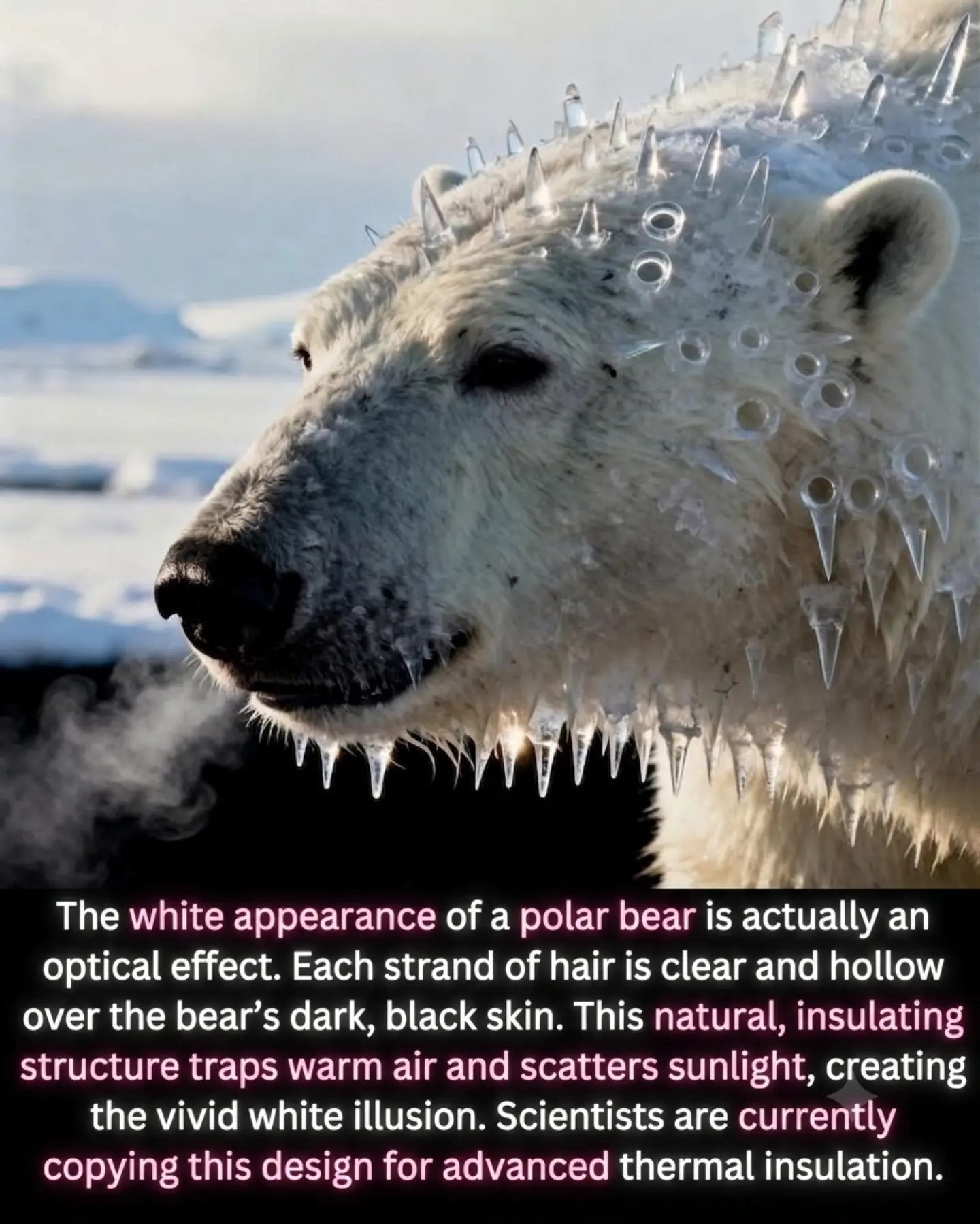
Polar bear fur is not actually white. Instead, their fur appears white due to an optical illusion created by the structure of their hair. Each strand of fur is clear and hollow, similar to tiny glass tubes. This unique structure scatters all the visible colors of the light spectrum, making the fur appear white to the human eye. This natural camouflage is perfect for their snowy habitat, allowing them to blend seamlessly with the environment.
The hollow structure of the fur also plays a crucial role in trapping warm air. This trapped air acts as a powerful insulator, keeping the bear warm even in freezing temperatures. The combination of the clear, hollow hairs and the dark, black skin beneath creates an efficient system for retaining body heat.
The Role of Hollow Hair Strands
The long, outer "guard hairs" of a polar bear's fur are completely transparent and hollow. Beneath these guard hairs, there is a dense underlayer of shorter, finer hairs that further enhance the insulating properties of the fur. The hollow structure of the guard hairs traps air, which is a poor conductor of heat, making it an excellent insulator.
The hollow core of each hair scatters sunlight, contributing to the white appearance. This scattering effect means that the fur not only traps warm air but also reflects sunlight, preventing the bear from overheating in the rare moments when the sun's rays are strong.
The Importance of Black Skin
Beneath the thick, insulating coat of clear fur, a polar bear's skin is jet black. This dark skin helps the bear absorb and trap as much heat as possible from the sun's rays. The black skin, combined with the insulating properties of the fur, creates a system that maximizes heat retention, which is essential for survival in the Arctic.
Advanced Thermal Insulation Inspired by Nature
Scientists are inspired by the natural insulation of polar bear fur, studying it for potential applications in advanced thermal insulation technology. The hollow, clear structure of the fur, which traps air and scatters sunlight, offers a blueprint for developing more efficient insulation materials. These materials could be used in a variety of fields, from construction and clothing to aerospace and electronics, where thermal management is crucial.
Practical Tips for Applying Polar Bear Insulation Principles
While we can't replicate polar bear fur exactly, we can apply the principles of their natural insulation to our own designs. Here are some practical tips:
Use Hollow Structures
Hollow structures are excellent insulators because they trap air, which is a poor conductor of heat. When designing insulation materials, consider using hollow fibers or tubes to replicate the structure of polar bear fur.
Combine Materials
Just as polar bears have a layer of black skin beneath their clear fur, combining different materials can enhance insulation. For example, using a dark, heat-absorbing material beneath a lighter, reflective layer can create a system that maximizes heat retention.
Optimize for Heat Scattering
The scattering effect of polar bear fur can also be applied to insulation materials. By designing materials that scatter light and heat, we can create more effective insulation.
Consider Layering
Layering different materials with varying insulating properties can enhance overall thermal performance. For example, a combination of hollow fibers and dense, heat-absorbing materials can create a highly effective insulation system.
Important Takeaways
- Polar bear fur appears white due to an optical illusion created by the scattering of light by hollow, clear hair strands.
- The hollow structure of the fur traps air, making it an excellent insulator.
- The black skin beneath the fur helps absorb and trap heat from the sun.
- Scientists are studying polar bear insulation for potential applications in advanced thermal insulation technology.
- Applying the principles of polar bear insulation to our designs can lead to more effective and efficient thermal management solutions.
Conclusion
Polar bears are not only masters of camouflage but also exemplars of natural engineering. Their remarkable adaptations for surviving in the Arctic, particularly their unique fur structure, offer valuable insights into advanced insulation technologies. By understanding and replicating these natural mechanisms, we can develop more efficient insulation materials for a wide range of applications.
Questions readers ask
Why do polar bears appear white if their fur isn't actually white?
Polar bears appear white due to an optical trick. Their fur is actually transparent and hollow, which scatters the visible light spectrum, making the fur appear white to the human eye. This is similar to how snow or ice can appear white, even though they are clear. This illusion helps polar bears blend into their snowy surroundings.
How does the structure of a polar bear's fur help keep them warm?
The unique structure of a polar bear's fur is key to its insulating properties. Each hair is hollow and transparent, and these hollow spaces trap air, which is a poor conductor of heat. This trapped air creates a layer of insulation. Additionally, the dense underfur and guard hairs work together to trap even more air, providing exceptional warmth.
Does the color of a polar bear's skin contribute to their warmth?
No, the skin of a polar bear is actually black, which helps to absorb sunlight and provide additional warmth. The black skin also plays a crucial role in thermoregulation, though the primary source of warmth is the fur's insulating properties. The contrast between the black skin and the seemingly white fur is striking and highlights the unique adaptations of these animals.
How does the fur of a polar bear compare to other animals in terms of insulation?
Polar bear fur is exceptionally effective at insulation. While many animals have fur or hair that provides warmth, the hollow, transparent structure of a polar bear's fur sets it apart. This structure traps air more effectively, making it one of the most efficient natural insulation systems in the animal kingdom. This is why polar bears can survive in such extreme cold.
Does the fur of a polar bear lose its insulating properties when it gets wet?
Polar bear fur is designed to handle the Arctic environment. When it does get wet, the fur's ability to insulate is temporarily reduced. However, because each hair is hollow and the fur is oily, it dries quickly, and the insulation properties are restored. The fast drying capability also prevents the bear from losing body heat for extended periods.
Can the insulation properties of polar bear fur be replicated in human technology?
Scientists study polar bear fur to inspire innovative insulation technologies. By mimicking the structure of polar bear fur, researchers can develop advanced materials that trap air and provide superior insulation. These materials could be used in various industries, from clothing to building insulation, to create products that provide exceptional warmth and comfort.
How does the color of a polar bear's fur help with camouflage in the Arctic?
The white appearance of a polar bear's fur is crucial for camouflage. In the snowy and icy Arctic environment, the illusion of white fur helps polar bears to blend in seamlessly. This camouflage is essential for both hunting, as it allows them to sneak up on prey, and for avoiding predators. The unique structure of their fur not only keeps them warm but also helps them to survive in their environment.
Related deep dives
Similar reads based on topic and creator.




Recent articles
Fresh deep dives from the latest Reels we unpacked.




Comments
Be the first to comment.