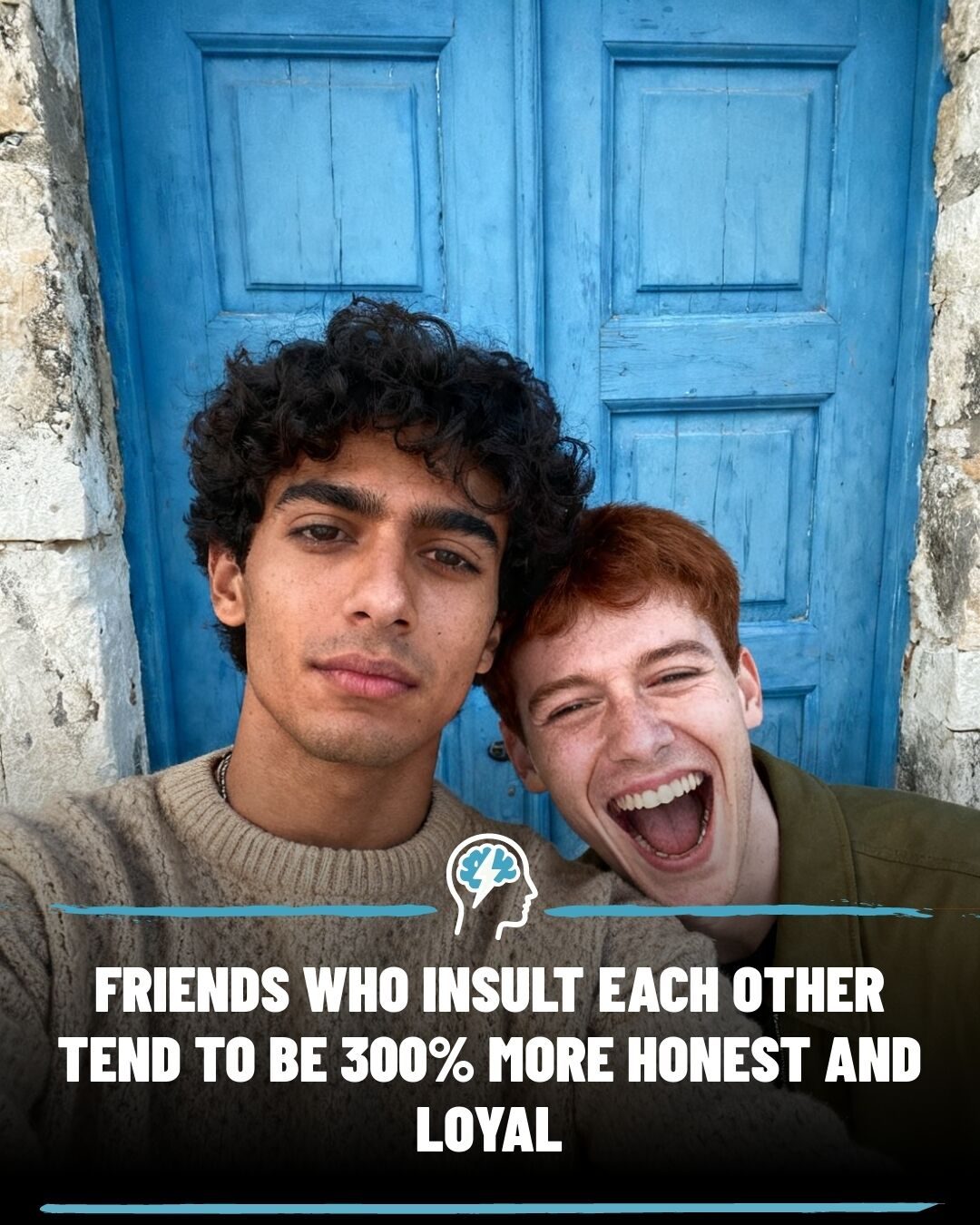
Friendship and Honesty: The Power of Playful Teasing
Playful teasing among friends can often be seen as a sign of deeper trust and emotional safety. But why is that? Friendships built on a foundation of mutual respect can actually be more loyal and honest. Let’s delve into the dynamics of friends who roast each other playfully.
Context: Why This Matters
Friendships are a crucial part of our lives. They provide emotional support, companionship, and a sense of belonging. However, they can also be complex and nuanced. Understanding the dynamics that strengthen these bonds can help us build more meaningful and resilient relationships.
The Role of Playful Teasing
Friends who insult each other—playfully—often find themselves in a unique position. This dynamic, known as "pro-social teasing," is a form of relationship calibration. It functions as a way to test the boundaries and the strength of the bond without causing actual harm. In fact, the moments of shared laughter that follow a good-natured jab can actually strengthen the friendship.
Emotional Safety and Trust
When someone feels comfortable enough to joke about your quirks, it often signals that they know you well and accept you anyway. The moment of shared humor creates emotional relief and confirms mutual acceptance. It’s a trust test that happens in mere milliseconds. The tease says, "I see your flaws." The laughter says, "And I am still here."
Main Discussion
The Psychology Behind It
Pro-social teasing is a recognized phenomenon in psychology. It functions as a way for friends to communicate familiarity and create space for authenticity. This type of banter has been linked to stronger friendships over time. When friends joke about each other’s messy cars or terrible taste in movies, it means they don’t have to perform or pretend around each other. This freedom to be imperfect together can build loyalty and trust.
The Importance of Intention
It’s important to note that not all teasing is beneficial. Healthy teasing requires pre-existing trust, mutual respect, and a willingness from both people to exchange roles. The intention behind the teasing is crucial. If one person is always the target, or the jokes cut too deep, that crosses into harm.
When Laughter Isn't Enough
While teasing can be a sign of a strong bond, it’s essential to understand that what feels playful to one person may feel hurtful to another. Reading the room and checking in matters. If you notice that a friend seems uncomfortable or hurt by the teasing, it might be time to reassess the dynamic. Always prioritize the emotional well-being of both parties.
Practical Tips
-
Understand the Context: Pay attention to the context in which the teasing occurs. Is it mutual and respectful, or is one person always the target? If it’s the latter, it might be a sign of a more harmful dynamic.
-
Check-in with Your Friend: If you notice that your teasing is making a friend uncomfortable, check in to make sure they are okay with it. They might not feel comfortable enough to tell you that they are hurt.
-
Respect Boundaries: If your friend asks you to stop teasing them in a certain way, respect that boundary. It’s essential to maintain trust and mutual respect in a friendship.
-
Communicate Openly: If you feel that your friend’s teasing is going too far, communicate openly and honestly. Explain how it makes you feel and work together to find a healthier dynamic.
Important Takeaways
Playful teasing, when done correctly and with mutual respect, is a powerful way to strengthen a friendship. It communicates familiarity, creates space for authenticity, and builds trust. However, the intention and context of the teasing are crucial. Always prioritize the emotional well-being and mutual respect in your friendships.
Conclusion
In the end, the right kind of teasing with the right people can signal something beautiful. It means someone knows your weaknesses and chooses to stay. It means you have built something real enough to survive a joke. However, it’s essential to remember that not all teasing is good and that the boundaries of mutual respect. Playful teasing can be a sign of a strong and loyal friendship, but it’s important to navigate it with care and consideration.
Questions readers ask
What is the difference between playful teasing and hurtful teasing among friends?
Playful teasing, or pro-social teasing, is characterized by mutual respect and emotional safety. It strengthens friendships and helps friends test their bond. Hurtful teasing, however, can damage relationships by causing emotional harm and discomfort. Playful teasing usually involves a shared understanding and acceptance.
How does playful teasing among friends build trust?
Playful teasing builds trust by creating a safe space where friends can express themselves freely without fear of judgment. It allows friends to test the strength of their bond and reassures them that their relationship can withstand good-natured banter.
What are some signs that playful teasing is strengthening a friendship?
If both friends are laughing and enjoying the banter, and neither feels hurt or offended, it's a good sign that playful teasing is strengthening the friendship. Additionally, if friends feel more comfortable with each other and express their feelings more openly, it indicates a deeper level of trust and emotional safety.
Can playful teasing be a love language?
For some people, playful teasing can indeed be a love language. It shows affection, closeness, and a unique form of communication. If it’s met with enthusiasm and reciprocation, it can foster a deeper connection between friends or partners.
How can friends ensure that their teasing remains playful and positive?
To maintain positive teasing, friends should always be mindful of each other's boundaries and feelings. They should avoid sensitive topics and be open to feedback. If one person feels uncomfortable, it’s important to stop and address the issue to preserve the friendship.
Is playful teasing a universal sign of stronger friendship?
While playful teasing can be a sign of a stronger friendship for many, it is not universal. Some people may not be comfortable with this dynamic due to cultural differences, past experiences, or personal preferences. It's essential to respect each individual's comfort level.
Recent articles
Fresh deep dives from the latest Reels we unpacked.




Comments
Be the first to comment.