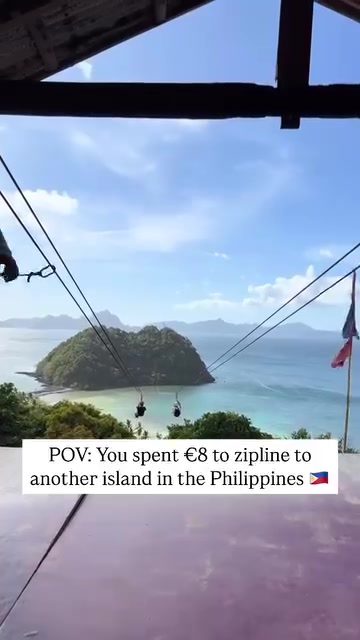
Ziplining in the Philippines
For adventure enthusiasts and nature lovers, ziplining in the Philippines offers an exhilarating way to explore the country's stunning landscapes. This adrenaline-pumping activity allows you to soar above lush forests, turquoise waters, and picturesque islands, providing a unique perspective on the archipelago's natural beauty. Let's dive into the thrill of ziplining, the best locations, and some practical tips for your next adventure.
Why This Matters
The Philippines is renowned for its diverse ecosystems and breathtaking scenery, making it an ideal destination for ziplining. This activity not only offers an adrenaline rush but also a chance to experience the country's natural wonders from a bird's-eye view. Whether you're a seasoned adventurer or a first-time zipliner, the Philippines has something to offer everyone.
The Thrill of Ziplining
Adrenaline Rush and Scenic Views
Ziplining combines the excitement of high-speed travel with the serenity of being surrounded by nature. As you zip through the air, the wind rushing past you, you'll be treated to panoramic views of the Philippine landscape. From dense forests to crystal-clear waters, the scenery is as thrilling as the ride itself. The experience is both a physical and visual adventure.
Safety First
Safety is paramount when it comes to ziplining. Most zipline operators in the Philippines prioritize safety measures, including thorough equipment checks, trained guides, and adherence to safety protocols. You'll typically be outfitted with a helmet, harness, and other necessary gear to ensure a safe and enjoyable experience.
Cost and Accessibility
The cost of ziplining in the Philippines varies depending on the location and the duration of the experience. For instance, some operators charge around €8 for a single ride, making it an affordable adventure for many travelers. This accessibility ensures that ziplining can be part of your travel itinerary regardless of your budget.
Best Ziplining Locations in the Philippines
Bohol
Bohol is famous for its Chocolate Hills and the Philippine Tarsier, but it also offers some of the best ziplining experiences in the country. The zipline routes here provide stunning views of the island's unique topography and the surrounding sea.
Cebu
Cebu is another top destination for ziplining, with several operators offering thrilling rides. The ziplines in Cebu often traverse lush forests and offer breathtaking views of the nearby mountains and the coastline. This makes Cebu a perfect blend of adventure and natural beauty.
Palawan
Known for its pristine beaches and crystal-clear waters, Palawan also boasts some of the most scenic zipline routes in the Philippines. The ziplines here often start from high cliffs and end near the beach, providing a seamless transition from adrenaline-pumping heights to the calm serenity of the coastline.
Practical Tips for Ziplining in the Philippines
What to Wear
Comfortable and secure clothing is essential for ziplining. Opt for moisture-wicking fabrics to stay cool and dry. Avoid loose clothing that could get caught in the zipline equipment. Also, wear sturdy footwear with good grip to navigate the terrain safely.
What to Bring
Bring essential items like a water bottle, sunscreen, and a hat to protect yourself from the sun. It's also a good idea to have a small backpack for personal belongings, but make sure it is securely fastened to avoid any accidents.
Physical Preparedness
While ziplining is generally suitable for most people, it’s important to be in reasonable physical condition. If you have any health concerns or injuries, consult a healthcare provider before embarking on this adventure.
Choosing a Reputable Operator
To ensure a safe and enjoyable experience, choose a reputable zipline operator. Look for operators with positive reviews, experienced guides, and well-maintained equipment. Don't hesitate to ask questions about safety protocols and the overall experience.
Important Takeaways
- Adrenaline and Awe: Ziplining in the Philippines offers an unforgettable blend of excitement and natural beauty, with stunning views of the islands, forests, and coastlines.
- Safety First: Prioritize safety by choosing reputable operators and following all guidelines.
- Affordability: Ziplining is an affordable adventure, with some operators charging around €8 for a thrilling ride.
- Best Locations: Explore top ziplining spots like Bohol, Cebu, and Palawan for a diverse range of experiences.
Conclusion
Ziplining in the Philippines is more than just an adventure; it's a journey through some of the most breathtaking landscapes in the world. Whether you're seeking an adrenaline rush or a unique way to experience the country's natural beauty, ziplining offers an unforgettable experience. With a focus on safety, affordability, and stunning scenery, it's an activity that should be on every adventurer's bucket list. So, pack your bags, gear up, and get ready to soar through the skies of the Philippines.
Questions readers ask
What are the top ziplining locations in the Philippines?
The Philippines offers several top ziplining destinations. For a thrilling experience over lush forests, consider the zip lines in Donsol, Sorsogon, or the Canigao Island Tour in Davao. For a view of turquoise waters, try the Puerto Princesa Underground River zip line in Palawan. Alternatively, for a scenic zipline adventure over picturesque islands, explore the Zip Line Adventure at the Blue Water Island Resort in Cagayan de Oro or the Cebu Tops Adventure in Cebu.
Is ziplining in the Philippines suitable for beginners?
Yes, many zipline tours in the Philippines cater to beginners. These tours offer safety briefings, professional guides, and secure harnesses. It's always a good idea to check with the specific tour operator about their policies and any weight or age restrictions. Some tours may even offer tandem ziplining for those who want to experience the thrill with an instructor.
What is the best time to go ziplining in the Philippines?
The best time to go ziplining in the Philippines is during the dry season, from November to May. During these months, you can expect clear skies and minimal rainfall, ensuring optimal visibility and a more enjoyable experience. However, some zipline operators are open year-round, so it's possible to find adventure in the rainy season with proper precautions.
What should I wear and bring for ziplining in the Philippines?
Wear comfortable, lightweight clothing and sturdy footwear for ziplining. It's also a good idea to bring a waterproof bag for your personal items, a hat, and sunscreen. Some tours may provide helmets and other necessary gear, but it's best to confirm with your tour operator before your adventure.
Are there age and weight restrictions for ziplining in the Philippines?
Yes, most zipline tours in the Philippines have age and weight restrictions for safety reasons. Typically, participants must be at least 6 or 7 year old, and weigh between 40-250 lbs. However, these requirements can vary by location and tour operator, so it's essential to check with your specific zipline provider before booking.
What other outdoor activities can I combine with ziplining in the Philippines?
The Philippines offers a wealth of outdoor activities to combine with ziplining. Consider exploring nearby beaches, caves, or waterfalls, or try other adrenaline-pumping activities like rock climbing, white water rafting, or scuba diving. Many zip line tours are part of larger adventure packages, so you can easily mix and match to suit your preferences.
What safety measures should I expect from zipline tours in the Philippines?
Reputable zipline tours in the Philippines prioritize safety with comprehensive safety measures. This includes well-maintained equipment, trained guides, and strict safety protocols. Before your adventure, you can expect a thorough safety briefing covering proper gear use and emergency procedures.
Related deep dives
Similar reads based on topic and creator.




Recent articles
Fresh deep dives from the latest Reels we unpacked.




Comments
Be the first to comment.