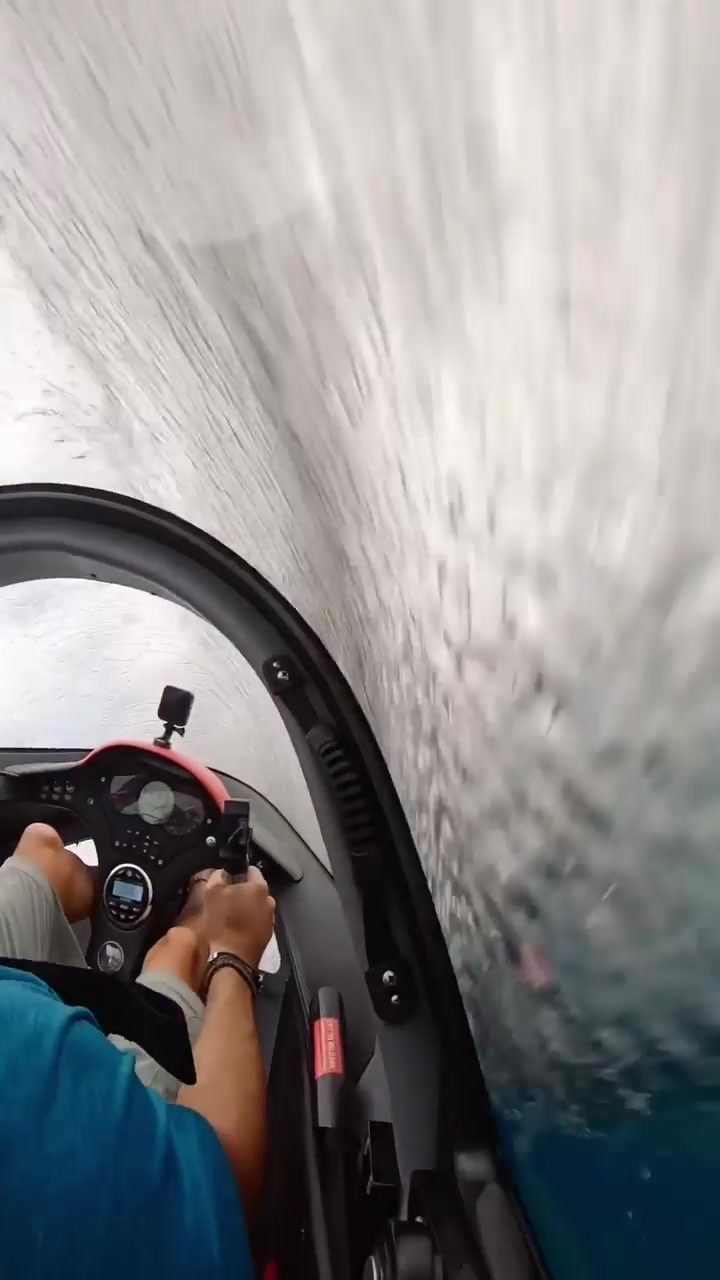
With a smile and a yell of excitement, a person slides a small submarine into the water and takes the helm. Through a clear dome, the world below the surface unfolds in a vivid panorama. This is a personal submarine adventure. A personal submarine lets individuals experience underwater exploration on their own, and without an enormous price tag. These compact vessels, designed for individual use, are becoming increasingly accessible. They offer a first-person view of the underwater world, providing a unique perspective on marine life and ocean topography. Unlike larger submarines or diving equipment, personal submarines are compact enough to be handled like a boat, but with the ability to dive deeper, and giving the driver a more immersive experience. Individuals can venture into the underwater world without the need for a large crew or specialized training. Since they can be controlled by a single person, users can explore at their own pace, dive as deep as they'd like, and feel the thrill of being underwater — without needing multiple crew members. People of all experience levels can take the controls, making it a more accessible way to explore the depths. This makes personal submarines of interest to adventure-seekers, marine-life enthusiasts, and underwater photographers. Larger submarines such as those used by military or research vessels are often used for group missions and come with a cost. But personal submarines can be used by an individual. The question of safety isn't universal. Is it the same for both? Different submarine designs may vary in safety aspects. Using an individual submarine allows the user to float underwater and experience the world in a unique way, but this kind of design may not be as robust, or safe. The most distinctive feature of personal submarines lies in their immersive experience, with drivers front and center. Most personal submarines have a clear dome that allows 180-degree visibility underwater. Plus, most are designed to be easy to operate and maneuver, making it suitable for both amateurs and experienced users. The harness for the driver is built directly into the submarine, and while this can make for a more thrilling experience, it means that drivers need to be fit and able to withstand the pressures of underwater driving.
The Take-Down of Barriers to Underwater Exploration
Personal submarines are part of a broader trend toward democratizing access to specialized adventure activities. They make underwater exploration affordable for those who cannot afford larger vessels or extensive training. While large naval vessels or research submarines are costly, personal submarines are designed to be more economical. These adventures are now more accessible to hobbyists and recreational users, not just the rich or for commercial purposes. Marine conservation groups can even use smaller models to explore shallower depths and monitor various species.
The Adventure
Unique Perspective
Personal submarines provide a unique perspective of the underwater world. The view from inside a personal submarine is distinct from a surface view and even from scuba diving. They allow users to get closer to marine life and observe it in its natural habitat without disrupting the environment.
Depth Limits and Visibility
Personal submarines vary greatly in their depth limits. Models range in their depth capabilities from 33 feet to 650 feet. On the other hand, visibility is also extremely limited underwater. Many personal submarines are fitted with powerful lights and cameras to navigate. Users must also consider the environmental conditions, such as murkiness and marine life activity.
Handling and Maneuverability
The most basic personal submarine is controlled using a simple joystick. Most users report that it is as intuitive as using one while playing video games. The joystick allows for lateral movements, while additional controls manage the depth and orientation of the vessel underwater.
Unmatched Adventure
The compact design of personal submarines makes each mission an immersive experience. The most popular models are designed for a single user. They usually have a seat and some storage for equipment, creating a personal space submerged underwater. The person has a complete range of movement. The craft is completely sealed and waterproof. Personal submarines have also been developed for underwater photography adventures. Small submarines are great tools for underwater exploration. They allow an individual to explore shallow oceans without hassles. However, not all personal submarines can withstand conditions at depths of 650 feet. They are particularly popular with hobbyists and marine life enthusiasts. These hobbyists use personal submarines to explore coral reefs and photograph underwater wildlife.
The Range of Personal Submarines
Personal submarines range from basic, no-frills models to high-end, luxury options. Many models include advanced features, such as sonar systems, marine cameras and depth gauges. Personal submarines require less maintenance, can be towed and trailered. That means individuals can quickly and conveniently access different diving locations. Even after finding a model that suits individual needs, users are often cautioned to be aware of the waters they are diving in. Underwater navigation is a highly technical activity.
Luxury Models
Ludolfson Oceanic Luxury Models are examples of luxury personal submarines and can go deeper underwater than the average personal submarine. Luxury models can reach depths up to 650 feet underwater, giving users an experience generally not available to recreational divers or even most mariners. This depth of experience requires the ability to navigate in low-light or no-light conditions successfully, especially near the ocean's bottom. The higher price tag of luxury models is largely because of these robust safety features. Buying a personal submarine comes with costs and responsibilities. Users must consider the upfront cost, maintenance, storage, insurance, and local regulations. However, with careful consideration, individuals can transform their underwater exploration dreams into reality. If you can't buy, consider renting one for a day or a short period. Different world regions have unique regulations for personal submarine use. Therefore, before using a personal submarine it is advised to check local regulations. Some regions have restrictions on where and when personal submarines can be used. Regulations will vary in different parts of the world and in different countries. Always check for local regulations before planning a personal submarine adventure.
Off to the Deep
The world below the surface is full of mystery and beauty. Personal submarines allow users to become explorers, observing marine life and underwater topography. Users can easily navigate these powerful machines, while at the same time experiencing the feeling of exhilaration from being completely submerged. The most popular models are designed for a single user, making the experience deeply personalized. This trend of personal exploration continues to grow, allowing more people to get a taste of underwater adventure.
Questions readers ask
What exactly is a personal submarine and how does it differ from traditional submarines?
A personal submarine is a compact, individually-operated vessel designed for underwater exploration. Unlike traditional submarines, which are typically large and require a crew, personal submarines are meant for single-person use. They offer a more immersive experience with a clear dome for 180-degree visibility and are easier to maneuver, making them suitable for both beginners and experienced users.
How deep can a personal submarine typically go?
The depth a personal submarine can reach varies by model, but they are generally designed to go deeper than typical diving equipment. Most can handle depths suitable for recreational exploration, though they may not reach the extremes of larger, research-grade submarines.
Are personal submarines safe for inexperienced users?
Personal submarines are designed to be user-friendly, with easy-to-operate controls and maneuverability. However, safety can vary by design. While they are more accessible than larger submarines, users should still be physically fit and able to handle the pressures of underwater driving. It's also important to follow safety guidelines and possibly undergo some basic training.
Can personal submarines be used for scientific research or conservation efforts?
Yes, personal submarines can be useful for marine conservation groups and scientific research, especially in shallower depths. Their compact size and affordability make them a practical tool for monitoring marine life and ocean topography without the need for large, expensive vessels.
How do personal submarines compare to scuba diving in terms of experience?
Personal submarines offer a unique perspective compared to scuba diving. While scuba diving allows for direct interaction with the underwater environment, personal submarines provide a more immersive, panoramic view through a clear dome. They also allow users to explore deeper and for longer periods without the physical exertion required in scuba diving.
What kind of maintenance do personal submarines require?
Maintenance requirements can vary by model, but generally, personal submarines need regular checks to ensure all systems are functioning properly. This includes checking the seals, batteries, and mechanical components. Users should also follow manufacturer guidelines for storage and care to prolong the lifespan of the vessel.
Are personal submarines environmentally friendly?
The environmental impact of personal submarines is generally lower than that of larger vessels due to their smaller size and lower energy consumption. However, like any underwater vehicle, they should be operated responsibly to avoid disturbing marine life or damaging the ocean floor.
Related deep dives
Similar reads based on topic and creator.



Recent articles
Fresh deep dives from the latest Reels we unpacked.

Comments
Be the first to comment.