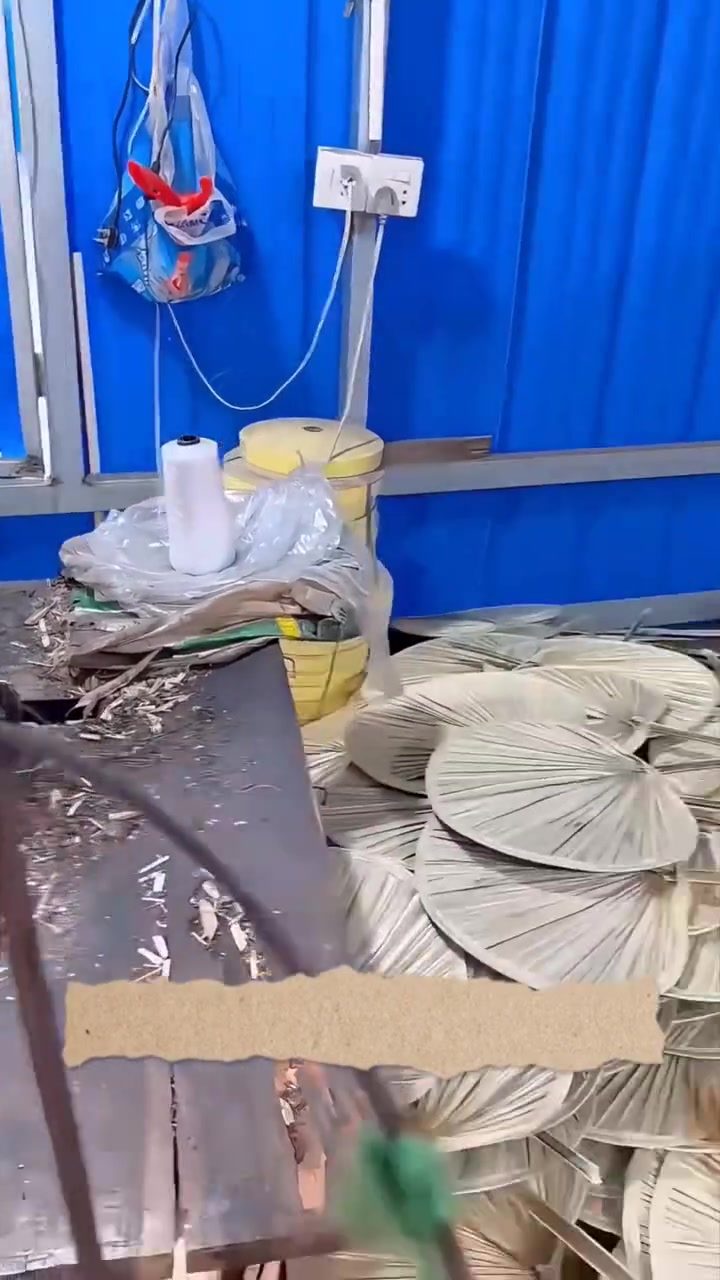
Palm Leaf Crafting: A Traditional Art with Modern Appeal
Palm leaf crafting is an age-old tradition that has stood the test of time. It was not only a tool for staying cool in hot climates, but also a versatile material for various everyday items. The process of crafting with palm leaves involves multiple steps, from preparation to the final stitching, resulting in durable and functional items.
Context: The Importance of Palm Leaf Crafting
Before the advent of electricity, palm leaf fans were a staple for cooling off during hot summers. These fans were more than just cooling tools; they were a testament to human ingenuity and resourcefulness. The crafting process was meticulous, involving several steps to ensure the leaves were strong and durable.
Main Discussion
The Historical Significance of Palm Leaf Fans
Palm leaf fans were not merely a convenience; they were a necessity in ancient times. The process of making a palm leaf fan was intricate and required a deep understanding of the material. The leaves were first heated over a small fire to dry out the fibers, making the soft veins stiff and strong. This step was crucial as it prepared the leaves for further shaping. After heating, the leaves were hammered flat, pressed into shape, and carefully trimmed to form a perfect fan. The final step involved stitching the edges together, creating a fan that could last for years. This labor-intensive process ensured that the fans were durable and could withstand daily use.
Versatility of Palm Leaf Fibers
Palm leaf fibers are incredibly tough, almost as strong as nylon rope. This durability made them an excellent material for various items. Ancient people used palm leaf fibers to make sandals, ropes, and hats. The versatility of these fibers extended beyond clothing and accessories. Palm leaf fans, for instance, could serve multiple purposes. They could cool you off, block the sun, keep off light rain, and even work as a cooking spatula. This multifunctionality made palm leaf crafting a valuable skill in many cultures.
The Modern Revival of Palm Leaf Crafting
In today's world, where technology has made many traditional crafts seem obsolete, palm leaf crafting is experiencing a revival. Many artisans are rediscovering the beauty and utility of palm leaves. The crafting process involves precision and attention to detail, making it a fulfilling activity for those who appreciate handmade items. The use of a sewing machine in modern palm leaf crafting has made the process more efficient, allowing artisans to create intricate designs quickly.
The Art of Heating and Shaping
Heating the palm leaves over a fire is the first step in the crafting process. This step is crucial as it dries out the fibers, making them stiff and strong. The leaves are then hammered flat to remove any curls or bends. This step ensures that the leaves lie flat, making them easier to shape and stitch. Pressing the leaves into shape involves using a mold or a template to create the desired form. This step requires patience and precision, as any imperfection can affect the final product.
Cutting and Trimming
After the leaves have been shaped, the next step is cutting and trimming. This step involves carefully trimming the leaves to create the desired shape and size. The cutting process requires a sharp blade and a steady hand to ensure clean cuts. Any mistakes during this step can compromise the integrity of the final product. The trimming process is meticulous, ensuring that the edges are smooth and even, making it easier to stitch them together.
Stitching the Edges
The final step in palm leaf crafting is stitching the edges together. This step involves using a sewing machine or a needle and thread to carefully stitch the edges of the leaves. The stitching process requires patience and precision, as any mistakes can affect the durability and appearance of the final product. The stitches should be tight and even, ensuring that the leaves are securely fastened. This step is crucial in creating a durable and long-lasting product.
Practical Tips
Choosing the Right Leaves
When crafting with palm leaves, it's essential to choose the right leaves. Look for leaves that are strong and flexible, with a smooth surface and minimal blemishes. The leaves should be dry and free of any pests or diseases. Fresh leaves can be used, but they need to be dried and cured before use. This process can take several weeks, so plan accordingly.
Tools and Equipment
The tools and equipment needed for palm leaf crafting include a sharp blade, a mold or template, a sewing machine or needle and thread, and a source of heat such as a fire or a stove. A hammer and a pressing tool are also essential for shaping the leaves. The right tools can make the crafting process more efficient and enjoyable.
Techniques for Shaping
Shaping the palm leaves requires patience and precision. Use a mold or template to create the desired form. Apply gentle pressure to the leaves, ensuring that they are evenly shaped. Avoid using too much force, as this can damage the leaves. Practice good techniques to ensure that the final product is durable and aesthetically pleasing.
Stitching Techniques
Stitching the edges of the palm leaves requires a steady hand and a sharp needle. Use a thread that is strong and durable, such as nylon or cotton. Ensure that the stitches are tight and even, and that the leaves are securely fastened. Practice different stitching techniques, such as whipstitch or blanket stitch, to achieve the desired effect. The right stitching technique can make all the difference in the final product.
Important Takeaways
Palm leaf crafting is more than just a hobby; it's a skill that has been passed down through generations. The process of crafting with palm leaves is intricate and requires patience, precision, and attention to detail. The final product is not only durable but also versatile, making it a valuable addition to any household. Modern artisans are rediscovering the beauty and utility of palm leaf crafting, using it to create unique and functional items. Whether you're a seasoned artisan or a beginner, palm leaf crafting is a rewarding and fulfilling activity that allows you to connect with the past while creating something beautiful for the future.
Conclusion
Palm leaf crafting is a timeless art that continues to captivate people with its simplicity and versatility. From ancient times to the modern era, palm leaf fans and other craft items have served multiple purposes, showcasing human ingenuity and resourcefulness. Whether you're crafting a traditional fan or a modern decorative item, the process involves careful preparation, shaping, and stitching. Embrace the art of palm leaf crafting and discover the joy of creating something truly unique and functional.
Questions readers ask
What types of items can be made through palm leaf crafting?
Palm leaf crafting is incredibly versatile. Besides traditional cooling fans, artisans create a variety of items such as baskets, hats, mats, and even decorative wall art. The natural fibers of the palm leaves make them suitable for both functional and aesthetic purposes.
How do palm leaf fans provide natural cooling?
Palm leaf fans offer natural cooling through evaporation and air circulation. As the fan moves, it creates a gentle breeze that helps to evaporate sweat from the skin, providing a cooling effect. Additionally, the natural material of the fan does not retain heat, making it an effective cooling tool.
What are the basic steps involved in palm leaf crafting?
The process begins with harvesting and preparing the palm leaves, which involves drying and treating them to enhance durability. The next steps include soaking, splitting, and weaving the leaves into the desired shape. Finally, the crafted item is often stained or sealed to protect it from moisture and pests.
Is palm leaf crafting an eco-friendly practice?
Yes, palm leaf crafting is an eco-friendly practice. It utilizes a renewable resource—palm leaves—which are often discarded after harvesting. By repurposing these leaves, crafters reduce waste and create sustainable, biodegradable products that have minimal environmental impact.
Can I make a palm leaf fan at home?
Yes, making a palm leaf fan at home is a rewarding DIY project. You can find tutorials online that guide you through the process, from gathering materials to the final assembly. Ensure you have fresh, green palm leaves and some basic crafting tools to get started.
What are some modern uses for palm leaf crafts?
Today, palm leaf crafts serve both traditional and contemporary purposes. They are used for home decor, such as wall hangings and baskets, as well as for functional items like fans and trays. Additionally, many people appreciate the rustic, natural aesthetic of palm leaf crafts, making them popular for home decor and gifting.
How has palm leaf crafting evolved over time?
While the basic techniques of palm leaf crafting remain unchanged, the types of items crafted and their uses have evolved. Traditional cooling fans are still popular, but modern crafters also create innovative items like jewelry, lampshades, and even furniture. The craft has adapted to meet contemporary design trends while retaining its traditional charm.
Recent articles
Fresh deep dives from the latest Reels we unpacked.




Comments
Be the first to comment.