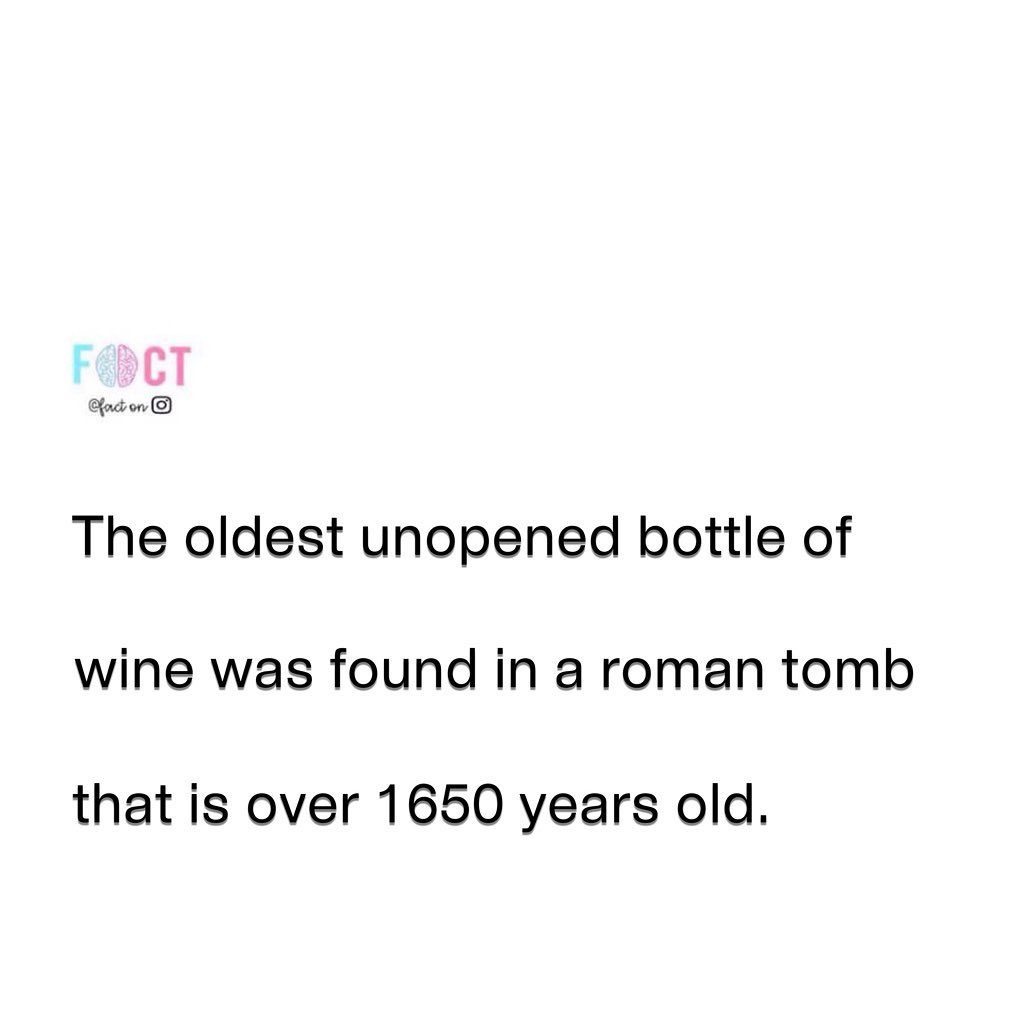
The Oldest Unopened Bottle of Wine
The discovery of the oldest unopened bottle of wine, found in a Roman tomb and estimated to be over 1650 years old, is a fascinating glimpse into ancient Roman culture and historical preservation. This discovery raises questions about the techniques used in wine production and storage methods during this period.
Why This Matters
Understanding the historical significance of ancient artifacts like this unopened wine bottle offers a window into the past that helps us appreciate the advancements and practices of ancient civilizations. The fact that this wine has remained unopened for so long highlights the durability and craftsmanship of Roman artifacts, which have withstood the test of time.
The Discovery and Its Context
The Roman Tomb
The Roman tomb where the wine bottle was found is a testament to the sophisticated burial practices of the ancient Romans. Tombs were often used to preserve the deceased's belongings, including valuable items like wine. The discovery of the unopened bottle suggests that ancient Romans had a deep respect for their deceased and believed in the importance of preserving their possessions for eternity.
The fact that this tomb was left undisturbed for over 1650 years is a testament to the ancient Romans' advanced construction techniques and their commitment to preserving their burial sites. The wine bottle, along with other artifacts, has been preserved in a way that allows us to study and understand the materials and techniques used in Roman times.
The Wines and Storage Methods
The wine in question was likely produced using methods that ensured its longevity. Ancient Romans were known for their winemaking skills, and it is likely that this wine was produced with the intention of being preserved for a long period. The bottle itself could have been made using materials and techniques that helped maintain the wine's integrity over the centuries.
The unopened bottle not only tells us about the Roman winemaking process but also about their storage methods. The fact that the bottle has remained unopened for so long suggests that it was stored in conditions that prevented it from being damaged or spoiled. This could have included storing the bottle in a cool, dark place, possibly underground, to preserve its contents.
What This Means for Modern Winemaking
Techniques and Materials
The long-preserved wine bottle offers modern-day winemakers insights into the materials and techniques used in ancient times. Understanding how the Romans produced and stored their wine can inspire modern techniques to enhance the longevity and quality of wine. While modern winemakers have access to advanced technologies and materials, the principles of winemaking and storage remain steadfast.
For instance, ancient Romans might have used materials like clay or terracotta for their wine vessels, which are known for their insulating properties and ability to maintain temperature and humidity. Modern winemakers could explore similar materials or techniques to improve the storage and aging of wine.
Cultural Significance
Wine has been an integral part of human culture for thousands of years, and the discovery of the oldest unopened bottle of wine highlights its enduring significance. Wine was not only a beverage but also a symbol of status, wealth, and social occasion. Understanding its role in ancient Roman society can provide valuable insights into the cultural and social practices of the time.
This discovery underscores the importance of studying and preserving ancient artifacts. They not only offer a glimpse into the past but also provide valuable knowledge that can be applied to modern practices. The Romans' advanced winemaking and storage methods are a testament to their ingenuity and craftsmanship, which continue to influence modern-day winemakers.
Practical Tips for Winemaking and Storage
Choosing the Right Bottle
Selecting the right bottle for storing wine is crucial for its longevity. Glass bottles are commonly used today due to their non-porous nature, which prevents air from entering and spoiling the wine. However, the material and design of the bottle should be chosen based on the type of wine and the intended storage period.
Temperature and Humidity
Maintaining the right temperature and humidity is essential for preserving wine. Cool, dark places are ideal for wine storage, as they prevent the wine from heating up and spoiling. Humidity levels should be maintained between 60% and 75% to prevent the cork from drying out, which can lead to air entering the bottle and spoiling the wine.
Proper Storage Techniques
Proper storage techniques, such as storing bottles horizontally, ensure that the cork remains moist and prevents air from entering the bottle. Additionally, avoiding exposure to direct sunlight and extreme temperature changes can help preserve the wine's quality over a long period.
Aging Wine
Aging wine can enhance its flavor and complexity. The Romans were known for their ability to age wine, and understanding their techniques can help modern winemakers produce high-quality aged wines. For instance, aging wine in oak barrels can impart unique flavors and aromas, enhancing the wine's overall quality.
Important Takeaways
The discovery of the oldest unopened bottle of wine provides valuable insights into ancient Roman winemaking and storage techniques. It highlights the importance of understanding and preserving ancient artifacts to appreciate the advancements and practices of ancient civilizations.
Preserving Historical Artifacts
Preserving historical artifacts like the oldest unopened wine bottle is essential for studying and understanding the past. These artifacts offer a window into the cultural and social practices of ancient civilizations, providing valuable knowledge that can be applied to modern-day practices.
The Future of Winemaking
The discovery of the ancient wine bottle has several implications for winemaking and storage. Understanding the materials, techniques, and conditions used by the Romans can inspire modern winemakers to explore new methods for improving the longevity and quality of wine.
Conclusion
The oldest unopened bottle of wine found in a Roman tomb is a remarkable discovery that offers numerous insights into ancient winemaking and storage techniques. It underscores the importance of preserving historical artifacts and exploring how ancient practices can inform modern-day winemaking and storage. As we continue to learn from the past, we can enhance our understanding of the present and future possibilities in this timeless craft.
Questions readers ask
How was the 1650-year-old wine bottle discovered?
The wine bottle was discovered in a Roman tomb. The tomb was likely prepared with the belief that the finest worldly possessions, such as this wine, were necessary for the afterlife.
What does the unopened wine bottle tell us about Roman wine production?
The unopened wine bottle offers insights into ancient Roman wine production techniques and preservation methods. It showcases the craftsmanship and durability of Roman artifacts, providing a unique perspective into the past.
What makes this the oldest unopened bottle of wine?
This wine bottle is considered the oldest unopened bottle of wine because it was sealed over 1650 years ago and has remained unopened since its discovery.
Why is the discovery of this wine bottle significant?
The discovery is significant because it offers a rare glimpse into ancient Roman culture and historical preservation. It highlights the advancements and practices of ancient civilizations, particularly in wine production and storage.
What can we learn about ancient Roman artifacts from this discovery?
This discovery demonstrates the durability and craftsmanship of Roman artifacts. The fact that the wine bottle has remained intact and unopened for over 1650 years speaks to the quality of Roman artifacts and their ability to withstand the test of time.
What does the wine bottle reveal about ancient Roman afterlife practices?
The wine bottle was buried with an understanding that the afterlife required the finest of this world. This suggests that ancient Romans believed in preserving their culture, artifacts, and practices for eternity, even in the afterlife.
Related deep dives
Similar reads based on topic and creator.
Recent articles
Fresh deep dives from the latest Reels we unpacked.




Comments
Be the first to comment.