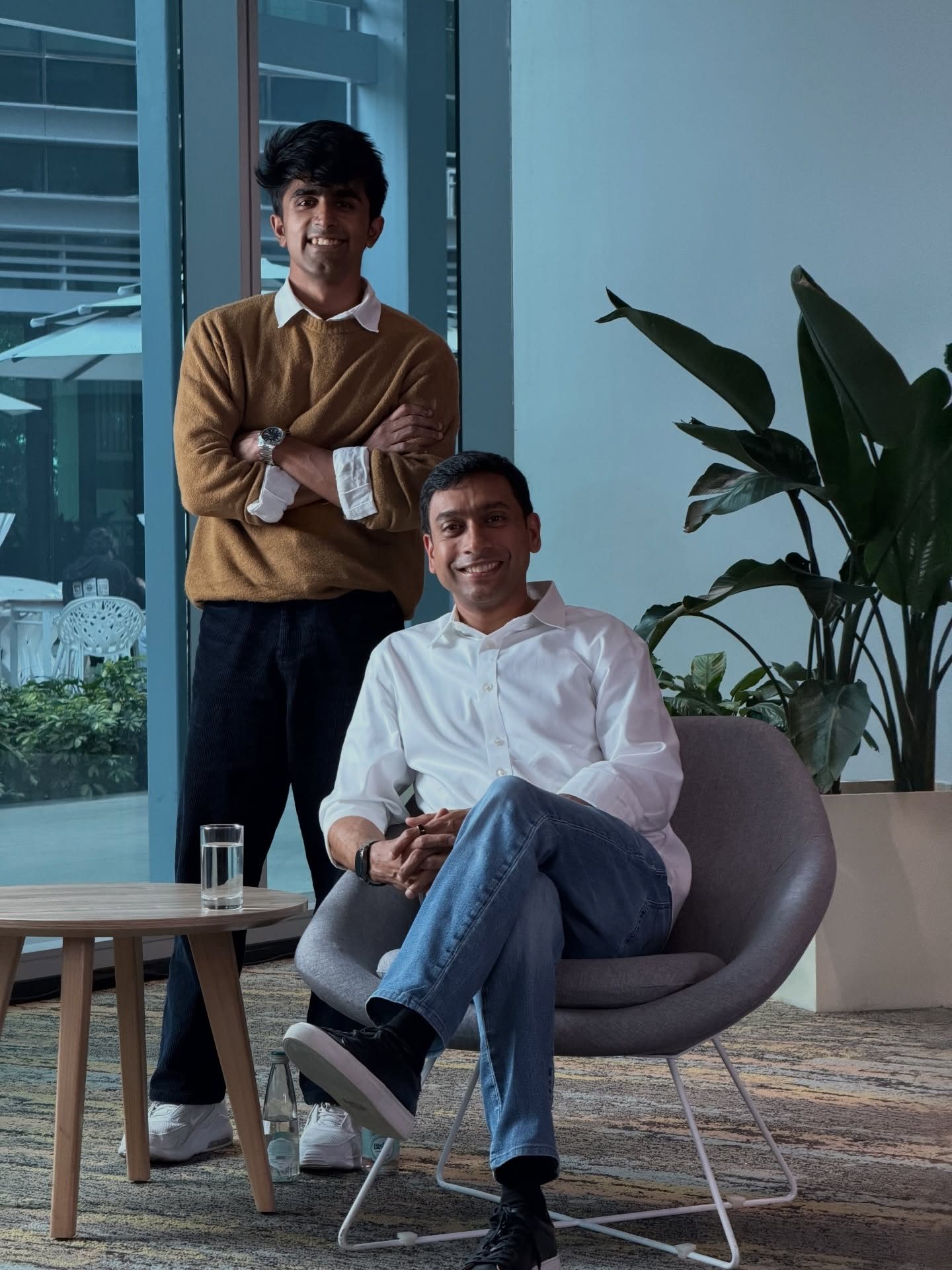
Office settings have evolved significantly over the years. They are not just places to work but are now designed to stimulate creativity, encourage interaction, and foster a productive environment. Many companies focus on creating a modern and inviting atmosphere in their offices, incorporating elements that promote both functionality and aesthetics.
Context
Modern office design prioritizes open spaces, natural light, and ergonomic furniture. These elements are thought to boost employee satisfaction and productivity. Office spaces today often include features like standing desks, collaborative areas, and breakout zones. These features are designed to create a more dynamic and interactive workplace.
The Benefits of Modern Office Design
Enhanced Productivity
One of the primary benefits of a modern office design is the enhancement of productivity. A well-designed workspace can reduce distractions and increase focus. For example, ergonomic furniture can minimize physical discomfort, allowing employees to work more comfortably for longer periods. Additionally, modern offices often incorporate natural light, which has been shown to boost mood and energy levels, further aiding productivity.
Improved Collaboration
Modern office layouts often emphasize open spaces and collaborative areas. These designs encourage teamwork and spontaneous discussions, fostering a more collaborative environment. Breakout rooms and informal meeting spaces provide areas for brainstorming and idea sharing, which are essential for creative problem-solving.
Employee Well-being
A thoughtfully designed office can significantly improve employee well-being. Elements like green spaces, plants, and natural light contribute to a healthier and more pleasant work environment. These features not only enhance the aesthetics but also positively impact the mental and physical health of employees.
Professional Presentation
Modern office settings also play a crucial role in creating a professional image. A well-designed office can impress clients and visitors, reflecting the company's commitment to excellence and attention to detail. The modern office is not just a workspace; it is a reflection of the company's values and culture.
Practical Tips
Office Layout Strategies
When designing an office, consider the following layout strategies:
-
Open Floor Plan: An open floor plan can promote better communication and collaboration among employees.
-
Private Meeting Rooms: Incorporate private rooms for confidential meetings or focused work.
-
Collaborative Spaces: Create spaces specifically designed for team meetings and brainstorming sessions. These spaces can be equipped with whiteboards, markers, and other collaborative tools.
-
Breakout Areas: Designate areas for informal gatherings where employees can take short breaks, relax, and socialize.
Ergonomic Furniture
Investing in ergonomic furniture is essential for employee health and well-being. This includes:
-
Adjustable Desks: Desks that can be adjusted to standing or sitting height encourage movement and reduce the risk of sedentary lifestyle-related health issues.
-
Ergonomic Chairs: Chairs that provide proper support for the back and neck can prevent physical discomfort and fatigue.
-
Monitor Stands: Adjustable monitor stands can help maintain a healthy posture by positioning the screen at eye level.
Incorporating Nature
Bringing elements of nature into the office can have a profound impact on the work environment:
-
Plants: Adding plants to the office can improve air quality and create a more calming atmosphere. They also add a touch of greenery, which can be visually appealing.
-
Natural Light: Maximize natural light by positioning workstations near windows. Natural light not only saves energy but also enhances mood and productivity.
-
Outdoor Spaces: If possible, include outdoor seating areas or balconies where employees can take breaks and enjoy the fresh air.
Important Takeaways
Modern office design is about more than just aesthetics; it directly impacts productivity, collaboration, and employee well-being. By incorporating elements like natural light, ergonomic furniture, and collaborative spaces, companies can create a more dynamic and inviting workplace. This, in turn, can lead to higher employee satisfaction, increased productivity, and a more positive company image.
Conclusion
Creating a modern office space is an investment in both the company and its employees. By focusing on design elements that promote productivity, collaboration, and well-being, companies can foster a more dynamic and interactive work environment. The modern office is not just a place to work; it is a reflection of the company's values and a testament to its commitment to excellence.
Questions readers ask
How do open office layouts contribute to a more dynamic work environment?
Open office layouts encourage interaction and collaboration among employees. By removing physical barriers, these layouts facilitate better communication and idea-sharing, which can foster creativity and innovation. They also allow for easier supervision and support, ensuring that employees have the resources they need to perform their best.
What role does natural light play in modern office design?
Natural light is crucial in modern office design as it can significantly improve mood and energy levels. Offices with ample natural light often see increased productivity and reduced eye strain. Additionally, natural light can help regulate employees' circadian rhythms, promoting better sleep and overall well-being.
Why is ergonomic furniture important in office design?
Ergonomic furniture is designed to support the body and promote good posture, which can prevent discomfort and injuries. By providing chairs, desks, and other equipment that are adjustable and comfortable, offices can help employees maintain focus and productivity throughout the day. This can lead to fewer sick days and better overall office well-being.
How can collaborative spaces boost creativity at work?
Collaborative spaces, such as breakout zones and open meeting areas, provide employees with places to brainstorm and work together on projects. These spaces encourage spontaneous discussions and idea-sharing, which can spark innovation. By offering a variety of settings for different types of work, offices can cater to diverse working styles and needs.
What are the benefits of incorporating standing desks in office design?
Standing desks can help combat the health issues associated with prolonged sitting, such as back pain and poor circulation. They also promote movement and can increase energy levels, helping employees stay focused and productive. Many standing desks are adjustable, allowing employees to switch between sitting and standing throughout the day.
How can office design foster a more productive work environment?
Office design can foster productivity by incorporating elements that support employee well-being and efficiency. Open layouts, natural light, ergonomic furniture, and collaborative spaces are all key factors. By creating a space that is comfortable, inspiring, and functional, offices can help employees feel more motivated and engaged in their work.
What are some key features of modern office design that promote well-being?
Modern office design often includes features like adjustable lighting to reduce eye strain, plants to improve air quality, and quiet zones for focused work. Additionally, providing amenities such as break rooms with healthy snacks and fitness facilities can contribute to employees' overall well-being, leading to a happier and more productive workforce.
Recent articles
Fresh deep dives from the latest Reels we unpacked.




Comments
Be the first to comment.