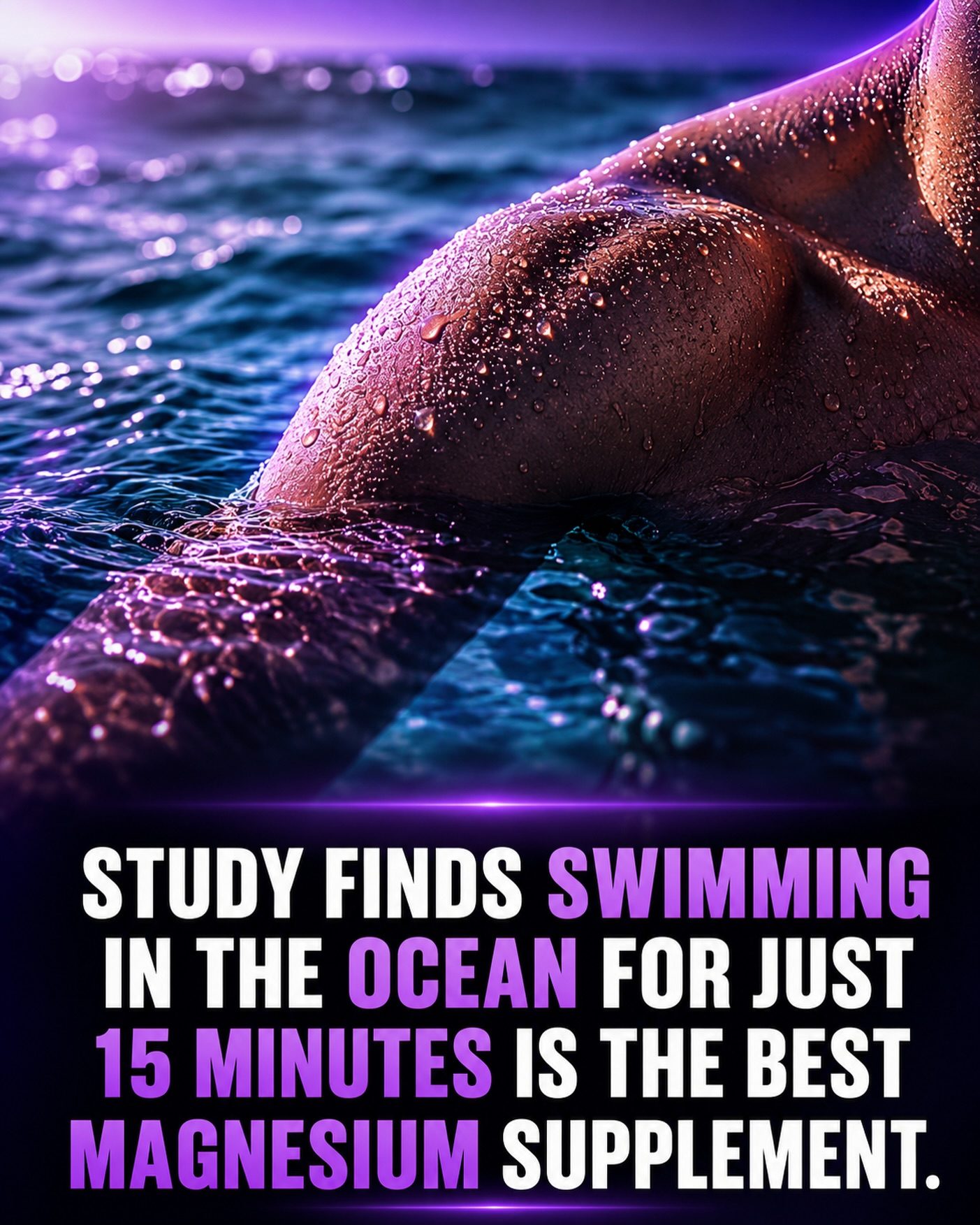
Swimming in the Ocean for Stress Relief
Ocean swimming has long been celebrated for its calming effects, but a recent study sheds new light on the benefits of a short dip in the sea. The findings challenge some popular beliefs but affirm the stress-relieving power of cold water immersion. Swimmers enjoy the health benefits of ocean immersion, but not for the reasons some might think.
Why Swimming in the Ocean Matters
The ocean's allure goes beyond its scenic beauty. A growing body of research explores the health benefits of swimming in the ocean. One key study found that just 15 minutes of swimming in the ocean can provide significant stress relief. This might not be due to the mineral content of the ocean water, as some believe, but rather to the physiological response triggered by cold water immersion. However, it's worth noting that the health benefits of swimming are not exclusively tied to the ocean. Freshwater swimming can also provide similar benefits.
The Magnesium Myth and Skin Absorption
One of the myths about swimming in the ocean is that the body absorbs magnesium through the skin. Magnesium deficiency is a common concern, and many turn to supplements or magnesium-rich foods to boost their intake. However, the claim that swimming in the ocean can effectively supplement magnesium through the skin doesn't hold up to scrutiny. Despite the ocean's high magnesium content, there is no solid evidence supporting meaningful transdermal magnesium uptake during a swim, no matter how mineral-rich the water is.
The ocean’s mineral content is real, but most of what your body uses still comes from diet or oral supplementation, not from soaking in the sea. So, while a swim in the ocean might feel refreshing, it’s not a reliable source of magnesium for the body.
The Real Benefit: Nervous System Reset
While the magnesium myth is debunked, the benefits of a 15-minute ocean swim are undeniable. The real advantage of this practice lies in its ability to reset the nervous system. Cold water immersion triggers a parasympathetic response, which is responsible for the body’s relaxation or "rest and digest" functions.
This response can:
- Lower Cortisol Levels: Cortisol is a stress hormone. When cortisol levels drop, feelings of stress and anxiety are reduced.
- Spike Endorphins: Endorphins are natural mood elevators. Higher endorphin levels can lead to a sense of calm and clarity.
The science behind this phenomenon is simple. When the body is exposed to cold water, it activates the vagus nerve, a key component of the parasympathetic nervous system. This activation can lead to a range of physiological changes, including a reduction in heart rate and blood pressure, as well as a decrease in stress hormones like cortisol.
Cortisol Reduction:
Cortisol is often referred to as the "stress hormone" because it is released in response to stress and low blood-sugar concentrations. It helps the body to manage these scenarios by increasing blood sugar, suppressing the immune system, and aiding in the metabolism of fat, protein, and carbohydrates. While cortisol is essential for responding to stress, chronically elevated cortisol levels can have adverse effects on the body, including weight gain, sleep disturbances, and a weakened immune system.
Endorphin Increase:
Endorphins are natural mood elevators and pain relievers. They are produced by the pituitary gland and the hypothalamus in response to stress or pain. Endorphins interact with the opiate receptors in the brain to reduce the perception of pain and produce a sense of euphoria. This is why people often feel a "runner's high" after intense exercise or a sense of calm after a relaxing swim.
Practical Tips for Ocean Swimming
If you're looking to incorporate ocean swimming into your wellness routine, here are some practical tips to maximize the benefits:
Choose the Right Time
Aim for a 15-minute swim to experience the full benefits of the parasympathetic response. This duration is long enough to trigger the necessary physiological changes but short enough to avoid over-exertion or discomfort from prolonged cold exposure.
Breathe Deeply
Focus on your breath during the swim. Deep, controlled breathing can enhance the parasympathetic response, helping you to relax more fully. Try taking slow, deep breaths, inhaling through the nose and exhaling through the mouth, to promote relaxation.
Maintain a Consistent Pace
A steady, moderate pace can help you maintain a consistent heart rate and breathing pattern, making it easier to achieve a state of relaxation. Avoid pushing yourself too hard or swimming too fast, as this can increase stress levels and negate the benefits.
Important Takeaways
For those seeking a natural way to reduce stress and improve mental clarity, swimming in the ocean for just 15 minutes can be a game-changer. While the body might not absorb magnesium through the skin, the cold water immersion triggers a powerful parasympathetic response, leading to lower cortisol levels and a spike in endorphins. This gentle, natural technique can help manage stress and promote overall well-being.
Conclusion
Swimming in the ocean offers a unique blend of physical and mental health benefits. While the myth of transdermal magnesium absorption has been debunked, the real value lies in the nervous system reset triggered by cold water immersion. For a quick and effective way to reduce stress and improve mental clarity, a 15-minute ocean swim is a worthwhile practice to consider.
Questions readers ask
How does a 15-minute ocean swim help with stress relief?
A 15-minute ocean swim can trigger a physiological response that helps reset the nervous system. This brief immersion in cold water can induce a state of calm and reduce stress levels by stimulating the body's natural relaxation responses.
What are the primary benefits of ocean swimming for stress relief?
Ocean swimming offers several benefits for stress relief, including activation of the body's relaxation response, improved mood, and a reduction in physiological stress markers. These benefits are predominantly due to the effects of cold water immersion rather than mineral absorption.
Is magnesium absorption a significant factor in stress relief from ocean swimming?
While ocean water contains minerals like magnesium, the stress-relieving effects of a 15-minute ocean swim are not primarily due to mineral absorption. Instead, the physiological response to cold water immersion is the key factor in achieving stress relief.
How often should one engage in ocean swimming for optimal stress relief?
To experience the stress-relieving benefits of ocean swimming, a consistent routine is recommended. This could be a 15-minute swim a few times a week, depending on individual schedules and access to the ocean. Regular cold water immersion can help maintain lower stress levels over time.
Are there any specific techniques to enhance the stress-relieving benefits of a 15-minute ocean swim?
To maximize the stress-relieving benefits, focus on deep, slow breathing during your swim. This can help lower your heart rate and promote relaxation. Additionally, try to clear your mind and be present in the moment, focusing on the sensation of the water rather than any stressors.
What should I do if I don't have access to an ocean for swimming?
If you don't have access to the ocean, consider other forms of cold water therapy, such as swimming in a cold lake or river, or even taking cold showers. The key is the physiological response to cold water, which can be achieved in various natural settings.
Can ocean swimming replace other stress management techniques?
Ocean swimming can be a powerful complement to other stress management techniques, but it may not replace them entirely. Incorporating ocean swimming into a broader stress management plan, which might include mindfulness, exercise, and adequate sleep, can provide a more comprehensive approach to stress relief.
Recent articles
Fresh deep dives from the latest Reels we unpacked.




Comments
Be the first to comment.