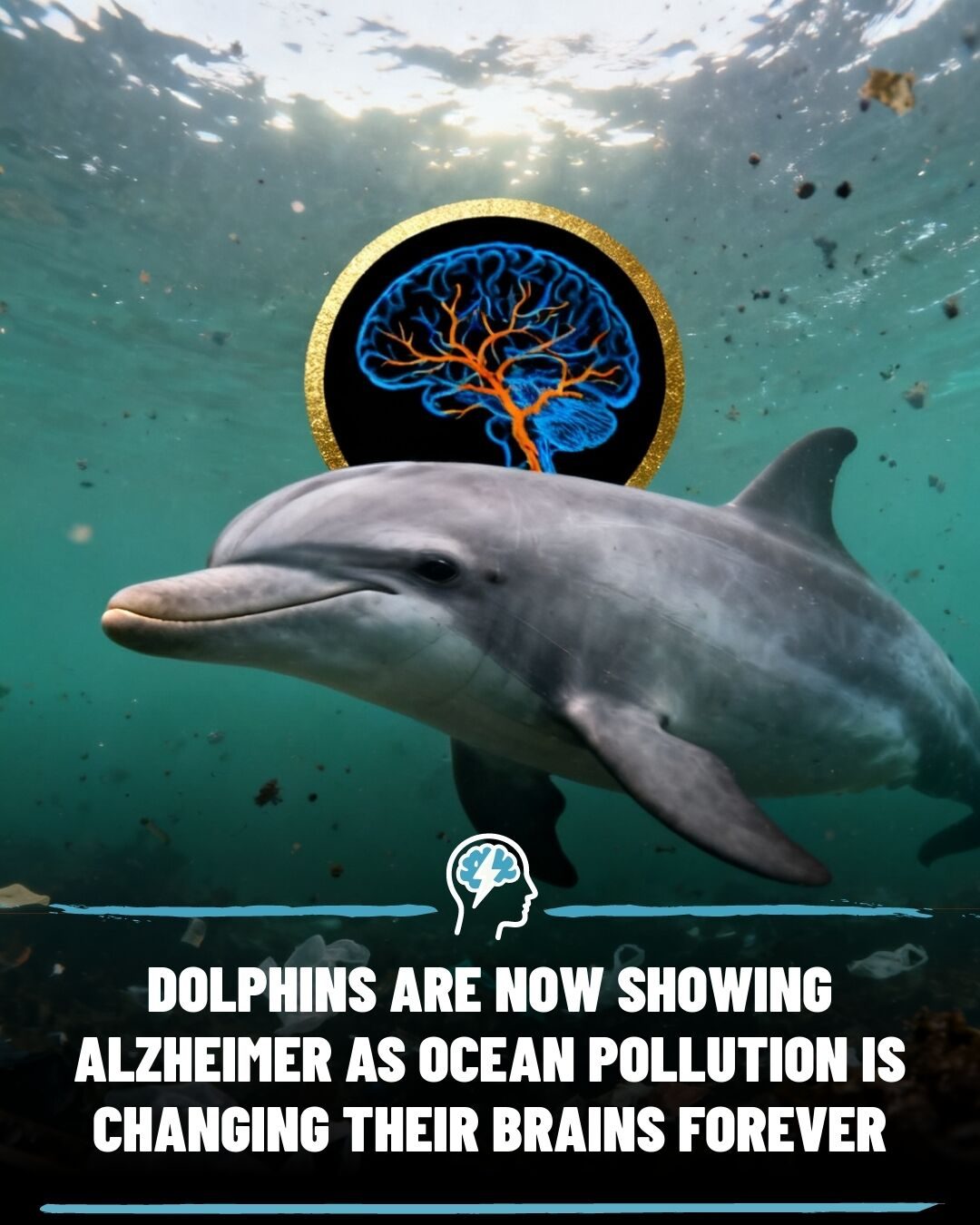
Dolphins and Alzheimer's: The Alarming Link to Ocean Pollution
Dolphins in Florida's waters are exhibiting alarming signs of Alzheimer's-like brain changes, and toxic algal blooms may be the culprit. A groundbreaking 2025 study published in Nature Communications Biology revealed that bottlenose dolphins stranded in Florida's Indian River Lagoon during harmful algal bloom seasons displayed striking similarities to early-stage Alzheimer's disease in humans.
Why This Matters
The health of dolphins serves as a critical indicator of our oceans' wellbeing. These marine mammals are sentinel species, meaning their health can signal broader environmental issues. The findings from this study underscore the urgent need to address ocean pollution and its cascading effects on marine ecosystems.
The Link Between Algal Blooms and Dolphin Health
Harmful algal blooms, often fueled by nutrient pollution from agricultural runoff and sewage, release potent neurotoxins. These toxins accumulate in the food chain, posing significant risks to marine life. When dolphins consume contaminated fish, the neurotoxins, particularly 2,4-DAB, build up in their brains over time. This accumulation leads to abnormal protein deposits and altered gene expression, mirroring the pathological changes observed in human Alzheimer's patients. The affected genes are linked to memory, neuronal communication, and the integrity of the blood-brain barrier, all of which are crucial for proper brain function.
The Mechanism of Neurotoxicity
The neurotoxins released by harmful algal blooms disrupt crucial signaling pathways in the brain and alter inhibitory synapses. These synapses are essential for brain cells to communicate effectively. The disruption can provoke tremors, hyperirritability, and disorientation, contributing to the confusing and potentially fatal beaching behavior observed in some dolphins.
The Impact on Marine Ecosystems
The neurological damage observed in dolphins raises critical questions about the broader impacts of ocean pollution on marine life. Dolphins are not the only marine species at risk; the toxins can trigger cascading effects throughout marine food webs, with consequences that are only beginning to be understood. This study underscores the need for comprehensive research and conservation efforts to mitigate the effects of harmful algal blooms and protect marine ecosystems.
Practical Tips for Reducing Ocean Pollution
Addressing ocean pollution requires collective effort and awareness. Here are some practical steps individuals can take to help reduce the impact of pollution on marine life:
- Reduce Plastic Use: Minimize the use of single-use plastics and opt for reusable alternatives. Properly dispose of plastic waste to prevent it from entering waterways.
- Support Sustainable Farming: Choose products from farms that practice sustainable agriculture, reducing the runoff of fertilizers and pesticides into water bodies.
- Proper Waste Disposal: Ensure that all household waste, including chemicals and medications, is disposed of correctly to prevent contamination of water sources.
- Conserve Water: Reduce water usage to minimize the amount of wastewater that needs treatment, lowering the risk of nutrient pollution.
- Promote Awareness: Educate others about the impact of ocean pollution on marine life and the importance of conserving marine ecosystems.
Important Takeaways
The study on dolphins and Alzheimer's-like brain changes highlights several key points:
- Harmful algal blooms release neurotoxins that accumulate in the food chain, affecting marine life.
- Dolphins are sentinel species, and their health can indicate broader environmental issues.
- Neurotoxins cause abnormal protein deposits and altered gene expression in dolphin brains, mirroring human Alzheimer's disease.
- Pollution has cascading effects on marine ecosystems, with consequences that are only beginning to be understood.
- Collective action is necessary to reduce ocean pollution and protect marine life.
Conclusion
The discovery that dolphins in Florida are developing Alzheimer's-like brain changes due to ocean pollution is a stark reminder of the interconnectedness of our ecosystems. Harmful algal blooms, fueled by nutrient pollution, pose a significant threat to marine life and human health. By taking practical steps to reduce pollution and support conservation efforts, we can help protect our oceans and the diverse species that call them home.
Questions readers ask
How do harmful algal blooms affect dolphins in Florida?
Harmful algal blooms produce neurotoxins that accumulate in the brains of dolphins, disrupting crucial signaling pathways and leading to Alzheimer's-like brain changes. These toxins are ingested by dolphins through their food sources, posing a significant threat to their brain health.
What are the implications of dolphin brain changes for ocean health?
Dolphins are sentinel species, meaning their health reflects the overall wellbeing of marine ecosystems. The discovery of Alzheimer's-like brain changes in dolphins signals broader issues in polluted marine environments, highlighting the need for urgent action against ocean pollution.
What did the 2025 study published in *Nature Communications Biology* reveal about dolphins in Florida?
The study found that dolphins stranded in Florida's Indian River Lagoon during harmful algal bloom seasons exhibited similarities to early-stage Alzheimer's disease in humans. This suggests a link between ocean pollution, specifically neurotoxins from algal blooms, and the brain health of dolphins.
How do dolphin strandings in Florida relate to ocean pollution?
Dolphin strandings in Florida, particularly during harmful algal bloom seasons, are often linked to the ingestion of neurotoxins produced by these blooms. These toxins can cause disorientation and other health issues, leading dolphins to strand on shores.
What are the potential broader impacts of neurotoxins in dolphins?
The accumulation of neurotoxins in dolphins' brains not only affects their cognitive health but also serves as an indicator of the wider environmental impacts of ocean pollution. This phenomenon underscores the need to address pollution sources to protect both marine life and human health.
How can understanding dolphin brain changes help in addressing ocean pollution?
By studying the brain changes in dolphins, researchers can gain insights into the specific neurotoxins and pollutants that pose the greatest threats. This information can then be used to develop targeted strategies for reducing ocean pollution and mitigating its effects on marine ecosystems and human health.
What role do dolphins play in monitoring ocean pollution?
As sentinel species, dolphins serve as vital indicators of ocean health. Their susceptibility to pollutants and neurotoxins makes them important subjects for monitoring the impacts of ocean pollution. By tracking the health of dolphins, scientists can better understand and address the broader issues affecting marine environments.
Related deep dives
Similar reads based on topic and creator.


Recent articles
Fresh deep dives from the latest Reels we unpacked.




Comments
Be the first to comment.