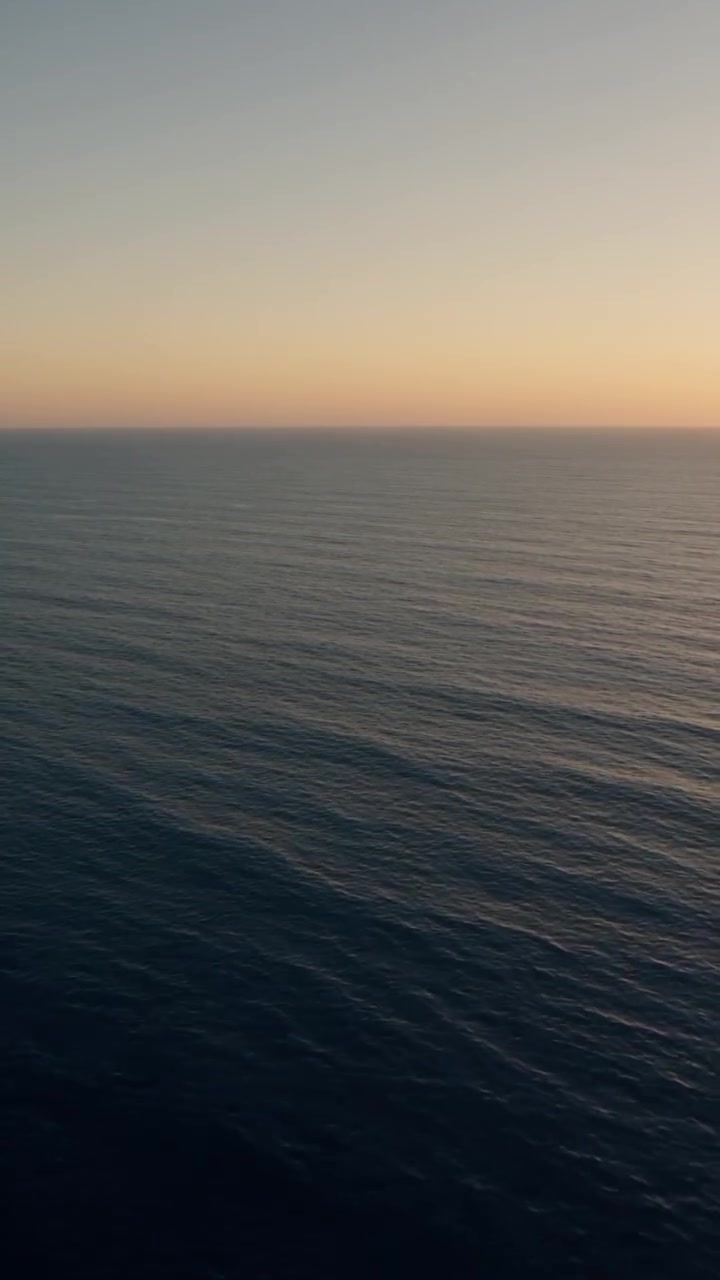
The ocean covers 71% of Earth, but its depths remain one of the planet's final mysteries. Drop Mount Everest, the world’s highest peak, into the Challenger Deep, and its summit would still be more than a mile underwater. Just how deep and daunting is the terrain below the surface?
The Ocean’s Vertical Journey
Deep PlanetTV delves into the ocean’s depths with undeniably fascinating specifics. From the surface, sunlight penetrates only about 600 feet. Beyond this point, a zone of twilight stretches down to 3,300 feet. And even deeper, it's permanent midnight. Yet, life thrives even in this lightless, crushing pressure. Life glows in the abyss, with bioluminescence lighting the way. All of the ocean isn’t this dark. The average depth is roughly 12,100 feet, nearly the same as the Titanic’s resting place. Its decks sit at 12,500 feet, where only specialized submarines can venture safely. But the Challenger Deep, the deepest point of the ocean, is nearly seven miles down. The pressure at this depth is immense — approximately 50 jumbo jets. Submersibles can withstand this pressure, allowing scientific investigation.
Why the Unknown Matters
Earth’s deep sea contains an estimated one million species. Though so many animals swim beneath the surface, we have not mapped the ocean floor as thoroughly as we’ve mapped Mars. Data from the surface of Mars is more complete than the ocean’s seabed. The ocean's vastness, darkness, and pressure make it as dangerous as space. The cost of deep-sea exploration is staggering. The budget for space is rising, at $27.2 billion in 2022, but ocean exploration remains far lower, dramatically stalling global ocean mapping progress. But exploration must be pursued, because countless resources and discoveries await. If we know more, we protect more. This is essential as the sea floor forms the ocean floor’s structure, leading to the careful balance of ecosystems worldwide. The history of the planet rests on its ocean floors, holding the trail leading to ancient climate change. One thing that we know is that the ocean is home to numerous species. They hold the future of Earth’s sustainability. If we learn more, we can preserve the ocean. Rare minerals also lie beneath. But the biggest prize is the potential for scientific discoveries.
Soundings of the Abyss
The Ocean’s Layers
The ocean is not just water. It’s a vertical sequence of layers, each with distinct features. The twilight zone, where sunlight fades between 600 and 3,300 feet, supports a diverse ecosystem. Cold, short food chains feed the deep abyss below. The epipelagic zone is the first ocean layer, up to 200 meters deep, teeming with life. Here, sunlight hits the sea floor. Phytoplankton, marine plants, and algae generate oxygen, feeding fish. The mesopelagic zone is the next layer at 200–1,000 meters. Marine creatures live in the twilight zone, where sunlight rarely reaches. Many animals have bioluminescence, producing their own light. Lastly, the bathypelagic zone is the final layer, starting at 1,000 meters and extending to 4,000 meters below the surface. Only a few creatures live in this zone: the anglerfish, giant squid, and vampire squid. Even deeper below is the abyssopelagic zone, which is from 4,000 up to 6,000 meters. Here it is permanently dark. The sea floor is completely covered by a layer of sediment that forms the ocean floor. This zone is home to creatures like the yeti crab and sea cucumbers.
The Deepest Dives
Marine Submersibles
Few humans have ventured to the deepest depths of the ocean. Submersibles give explorers access to the ocean’s in-depth intricacies. The bathyscaphe, which used steel shells and compressed air, was the first submersible. The Bathyscaphe Trieste, a plunge into the history of deep-sea exploration, reached record-breaking depths in the 1960s. The journey was filmed, showcasing the mysteries of the deep ocean. Today, more advanced submersibles like the Nereus offer better maneuverability and clearance. More recently, the Limiting Factor, a titanium-hulled submersible, became the first vehicle to reach the bottom of the Challenger Deep multiple times in 2019.
The Titanic’s Final Resting Place
The Titanic’s wreck lies at a 12,600-foot depth, roughly 2.5 miles from the surface. Dive teams armed with submersibles and sonar have explored its decaying, rusting hull. As the deepest wreck, it remains a high-risk dive. The first solo dive took place in 1987. It wasn’t until 2005 when the team explored the wreck using sonar imaging.
Ocean’s Future
From Incredibly Remote to Accessible
The future of deep-sea exploration is technologically driven. Autonomous underwater vehicles, or AUVs, are increasingly common. They carry instruments to measure water properties, species mapping, and geophysical mapping. These vehicles and subs have improved, marking the beginning of a new era of deep-sea exploration. 2022 showcased recent innovations for mapping the ocean. The Ocean Discovery Project mapped twenty percent of the world in just one year. This demonstrates humanity’s new journey: pushing back the frontier of unknown lands.
Engage the Abyss
Jump in feet first into the underwater world with Deep PlanetTV’s episodes. The submersibles go deep – but so can you. You don’t have to wait for a submersible dive. You can map the ocean from anywhere. You can follow the missions of marine scientists, or you can reach out to ocean organizations. You can volunteer, donate, and share knowledge to help develop deep-sea exploration. … Explore the deep ocean from your home. Watch videos, subscribe to channels, and dive in. Attend events with Deep PlanetTV. Follow the Deep PlanetTV channel on YouTube, where educational content and live events support marine biology and deep-sea conservation. You can reach out, and scientific organizations of every kind and reach are ready to help you. This limitless ocean, full of wonder and depth, cannot be covered alone.
Questions readers ask
What are the main layers of the ocean and how deep do they go?
The ocean is divided into several layers, with each layer having unique characteristics. The epipelagic zone is the top layer, extending up to 200 meters deep, where sunlight penetrates and supports a rich ecosystem. Below that, the mesopelagic zone, also known as the twilight zone, stretches from 200 to 1,000 meters, where sunlight is scarce and marine creatures often have bioluminescence. The bathypelagic zone starts at 1,000 meters and goes down to 4,000 meters, where the environment is extremely dark and cold and only a few creatures can survive. The final layer is the abyssopelagic zone, starting at 4,000 meters, where it is completely dark and the pressure is immense.
How do creatures survive in the deepest parts of the ocean?
Creatures in the deep ocean have adapted to harsh conditions. Many have bioluminescence, which allows them to produce their own light in the dark. They also have unique physical features, like large eyes or specialized sensory organs, to help them navigate and find food. Some creatures have evolved to withstand extreme pressures and cold temperatures, making them capable of surviving in environments where most other life forms would perish.
What are the challenges in exploring the deep ocean?
Exploring the deep ocean presents several challenges. The immense pressure at great depths can crush most equipment. The darkness makes navigation and observation difficult. Additionally, the cost of deep-sea exploration is very high, which limits the resources available for such missions. The ocean's vastness and the harsh conditions make it as dangerous as space, requiring specialized and expensive technology.
Why is it important to explore the deep ocean?
Exploring the deep ocean is crucial for several reasons. It helps us understand the planet's history and climate change. It can lead to the discovery of new species and resources, including rare minerals. Additionally, understanding the deep ocean can help us protect it, as it plays a vital role in maintaining the balance of ecosystems worldwide.
What is the Challenger Deep and why is it significant?
The Challenger Deep is the deepest known point in the ocean, located in the Mariana Trench. It is significant because it is nearly seven miles down, where the pressure is immense — approximately 50 jumbo jets. Only a few specialized submersibles can withstand this pressure and allow for scientific investigation, providing valuable insights into the Earth's deep-sea environment.
How does the ocean's depth compare to Mount Everest?
The ocean's depth is staggering. If you were to drop Mount Everest, the world’s highest peak, into the Challenger Deep, its summit would still be more than a mile underwater. This comparison illustrates just how deep and daunting the terrain below the surface truly is.
Related deep dives
Similar reads based on topic and creator.

Recent articles
Fresh deep dives from the latest Reels we unpacked.
Comments
Be the first to comment.