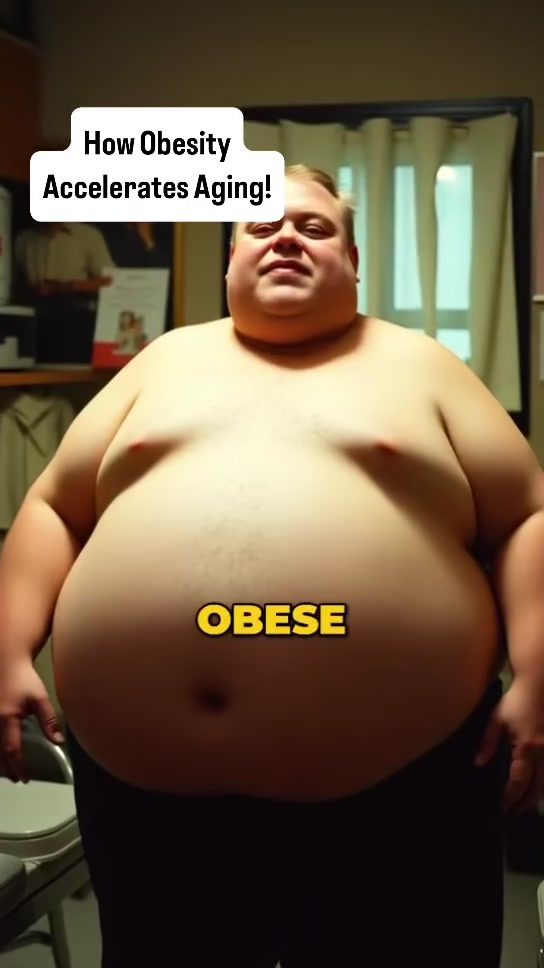
Obesity and Aging: The Biological Links
When obese, the body undergoes several changes that accelerate aging. Understanding these processes can help manage weight and promote healthier aging.
Why This Matters
Obesity is more than just a cosmetic concern. It has profound effects on the body's cells and overall health. By recognizing how obesity contributes to aging, individuals can take proactive steps to mitigate these effects and improve their overall well-being.
Obesity and Blood Sugar Levels
One of the primary issues associated with obesity is elevated blood sugar levels. This occurs due to overeating and the body's inability to manage glucose effectively. High blood sugar levels are particularly detrimental because they lead to increased DNA damage.
DNA Damage and Cellular Identity
DNA damage is a critical component of the aging process. When DNA is damaged, cells lose their identity and function. This loss of information can lead to a variety of health issues, including chronic diseases and accelerated aging. For instance, high blood sugar levels can cause oxidative stress, which in turn damages DNA. This damage disrupts the normal functioning of cells, making them less efficient and more prone to diseases associated with aging.
Inflammation and Aging
Another significant factor is the role of inflammation. When an individual becomes obese, their fat cells begin to secrete inflammatory molecules. These molecules increase overall inflammation levels in the body. Chronic inflammation is a major driver of aging and is linked to various age-related diseases, including heart disease, diabetes, and certain cancers.
The Role of Inflammation
Inflammation is the body's response to injury or infection, but chronic inflammation can be harmful. It causes continuous damage to tissues and organs, leading to accelerated aging. Fat cells, when overloaded, release inflammatory molecules that contribute to this chronic state. This means that managing weight is crucial not only for physical appearance but also for reducing inflammation and promoting healthier aging.
Practical Tips for Managing Weight and Reducing Inflammation
To mitigate the effects of obesity on aging, it's essential to adopt a healthy lifestyle. Here are some practical tips:
Diet and Nutrition
A balanced diet rich in fruits, vegetables, and lean proteins can help manage weight and reduce inflammation. Avoiding processed foods and sugars is particularly important, as they contribute to high blood sugar levels and inflammation.
Regular Exercise
Regular physical activity is crucial for maintaining a healthy weight and reducing inflammation. Aim for at least 30 minutes of moderate exercise most days of the week. Activities like walking, cycling, or swimming can help improve overall health and reduce the risk of age-related diseases.
Stress Management
Chronic stress can also contribute to inflammation. Techniques such as meditation, yoga, and deep breathing exercises can help manage stress levels and reduce inflammation.
Important Takeaways
- Obesity and Blood Sugar Levels: High blood sugar levels due to overeating lead to increased DNA damage, accelerating the aging process.
- Inflammation: Obesity increases inflammation in the body, which is a major driver of aging and age-related diseases.
- Importance of Healthy Lifestyle: A balanced diet, regular exercise, and stress management can help manage weight and reduce inflammation, promoting healthier aging.
Conclusion
Understanding the link between obesity and aging is crucial for managing weight and promoting overall health. By recognizing how high blood sugar levels and inflammation contribute to accelerated aging, individuals can take proactive steps to mitigate these effects. Adopting a healthy lifestyle, including a balanced diet, regular exercise, and stress management, can significantly improve overall well-being and reduce the risk of age-related diseases.
Questions readers ask
How does obesity accelerate the aging process?
Obesity speeds up aging by increasing DNA damage and inflammation. High blood sugar levels, common in obesity, contribute to DNA damage, while excess fat tissue promotes inflammation, both of which accelerate aging.
What role do high blood sugar levels play in obesity-related aging?
High blood sugar levels, often caused by overeating and poor glucose management, increase DNA damage. This damage accumulates over time, contributing to the accelerated aging process seen in individuals with obesity.
How does inflammation contribute to aging in obese individuals?
Inflammation is a key factor in obesity-related aging. Excess fat tissue in the body produces inflammatory signals, which can lead to increased inflammation levels. This chronic inflammation can damage cells and tissues, speeding up the aging process.
Can managing weight help slow down aging?
Yes, managing weight can help slow down aging. By maintaining a healthy weight, individuals can reduce DNA damage and inflammation, both of which contribute to accelerated aging. This can lead to improved overall health and longevity.
What are some of the effects of obesity on cells and the aging process?
Obesity affects cells by increasing DNA damage and inflammation. These factors contribute to accelerated aging, impacting overall health. Understanding these cellular effects can help individuals make informed decisions about their weight and health.
What are the latest findings from obesity and aging research, such as David Sinclair's work?
David Sinclair's research has shown that lifestyle interventions, such as calorie restriction and intermittent fasting, can positively impact aging. These interventions can help reduce inflammation and DNA damage, which are key factors in obesity-related accelerated aging.
How can individuals mitigate the effects of obesity on aging?
Individuals can mitigate the effects of obesity on aging by maintaining a healthy weight, managing blood sugar levels, and reducing inflammation. This can involve lifestyle changes such as a balanced diet, regular exercise, and adequate sleep, which all contribute to overall well-being.
Recent articles
Fresh deep dives from the latest Reels we unpacked.




Comments
Be the first to comment.