The Chaotic Night of Protest in New York
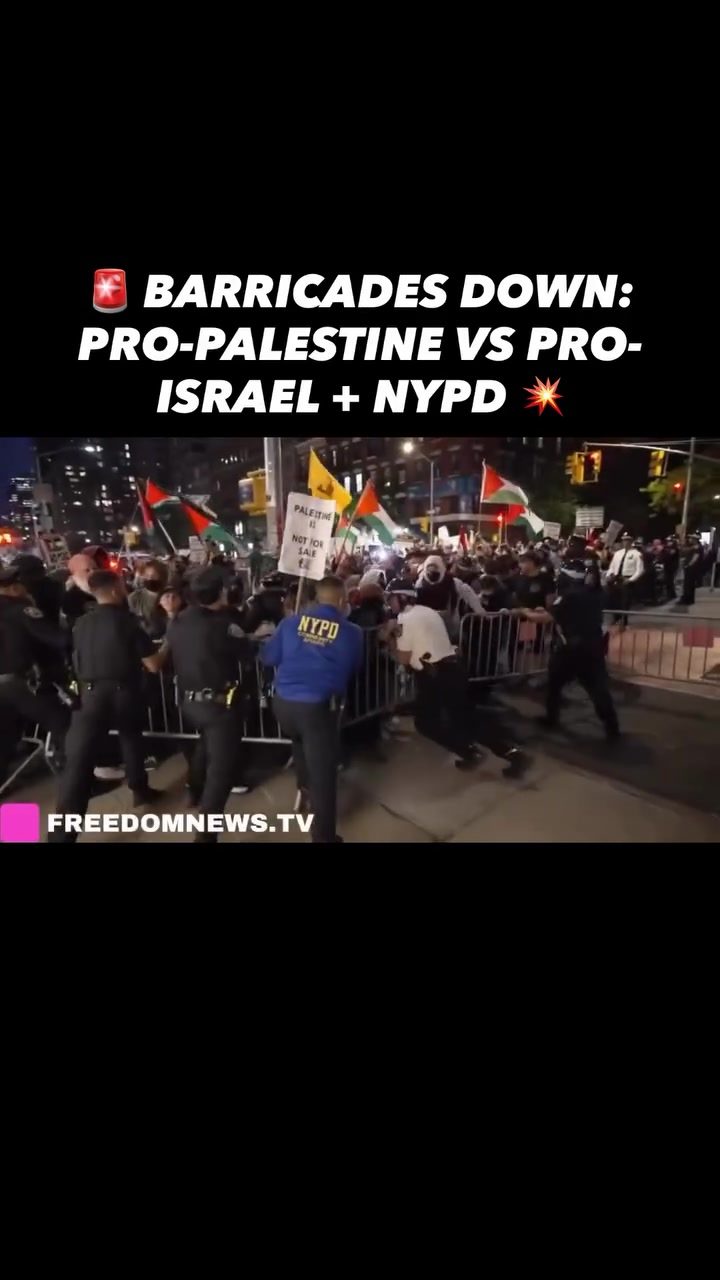
In the heart of New York City, a volatile scene unfolded during a protest tied to the Park East Synagogue Land Sale. Pro-Palestinian protestors, overwhelmed by passion, smashed through barricades, leading to violent clashes with pro-Israeli counter-protesters and the New York Police Department (NYPD). This tense standoff was a vivid display of the simmering tensions and raw division that permeated the streets, with each group holding steadfast to their positions.
Context
The protest was not a peaceful march but a charged confrontation. Fists were flying, as the barricades were taken down. The NYPD was in the middle of it all, trying to maintain order in a situation that had spiraled out of control. The incident was heavily covered by FREEDOMNEWS.TV, highlighting the escalation of tensions in the city. The protest occurred during a march linked to the Park East Synagogue, which had been at the center of a contentious land sale.
The Escalation
A Clash of Ideologies
The confrontation was a microcosm of a larger global conflict. Pro-Palestinian and pro-Israel protesters clashed over deeply entrenched beliefs about the Israeli-Palestinian dispute. The barricades that once stood as a barrier between the two groups were taken down, with both sides pushing their agendas forward.
Police as Mediators
The NYPD was heavily involved, acting as a buffer between the two groups. However, their presence did little to quell the violence. As the protest intensified, the police were thrust into a precarious position, trying to maintain order without escalating the situation. In some instances, their attempts to mediate were met with hostility from both sides, adding to the chaos.
The President's Stance
The President's statement, "Press on the side of the middle," was a call for balanced and measured response. This sentiment underscores the need for a nuanced approach to a highly polarized situation. While the President's words aimed for a sense of equilibrium, the reality on the streets of New York painted a different picture.
Practical Tips
Understanding the Situation
While protests are a symbol of one's right to express dissent, understanding the complexity of such events is crucial. The clashes between pro-Palestinian and pro-Israel groups are deeply rooted in historical and political contexts. Being aware of these underlying factors can help in understanding the motivations and frustrations of each group.
Safety First
For those involved in such protests, safety should be the top priority. It's essential to adhere to guidelines provided by law enforcement and respect the boundaries set by the authorities. This not only ensures personal safety but also helps in maintaining order during the event.
Channeling Frustration
Expressing frustration is a natural human response, especially in contentious situations. However, it's crucial to channel this frustration in a productive manner. Engaging in dialogue, seeking legal recourse, and advocating through peaceful means can be more effective in the long run.
What to Expect
Protests can be unpredictable, and it’s important to be prepared for any eventuality. This includes knowing the route of the protest, identifying safe zones, and having a plan in case things escalate. Being informed and prepared can make a significant difference in ensuring a safe and productive protest experience.
Important Takeaways
The Complexity of Protests
Protests, especially those involving deeply rooted conflicts, are complex. They are not just about the immediate issue but also about broader historical, political, and social contexts. As a participant or observer, it’s essential to understand this complexity to engage meaningfully.
The Role of Law Enforcement
Law enforcement plays a crucial role in maintaining order during protests. However, their effectiveness is often challenged by the intensity of the situation. It’s important for both protesters and law enforcement to find a middle ground that ensures safety and allows for the expression of dissent.
The Need for Dialogue
In such volatile situations, dialogue is key. Engaging in open and respectful conversations can help bridge the divide and find common ground. This approach can be more effective in the long term than confrontational methods.
Conclusion
The night of chaos in New York City was a stark reminder of the deep divisions that exist. The clash between pro-Palestinian and pro-Israel protesters, along with the involvement of the NYPD, highlighted the complexity and volatility of such situations. While the immediate outcome was tumultuous, the underlying message was clear: a balanced and measured approach, coupled with open dialogue, is essential for navigating such contentious issues.
Questions readers ask
What was the main cause of the protest in New York City?
The protest was centered around the Park East Synagogue Land Sale, sparking a clash between pro-Palestinian and pro-Israeli demonstrators. This event brought to the surface the deep divisions and tensions between the two sides in the Middle East conflict.
Why did the NYPD struggle to maintain order during the protest?
The NYPD faced significant challenges in controlling the situation due to the intense volatility of the protest. Protesters from both sides engaged in physical altercations, and barricades were breached, making it difficult for the police to restore calm and prevent further escalation.
How did the protest escalate from a demonstration to a violent clash?
The protest escalated when pro-Palestinian demonstrators forcefully broke through police barricades, leading to violent confrontations with pro-Israeli counter-protesters. This escalation was fueled by the intense emotions and deep-seated divisions between the two groups.
What was the role of the NYPD in the protest?
The NYPD was actively involved in trying to control the situation and prevent further violence. However, the chaotic nature of the protest, with both groups engaging in physical altercations and breaching barriers, made their task extremely challenging.
Why is the Middle East conflict a recurring theme in protests?
The Middle East conflict is a recurring theme in protests because it is a long-standing and deeply contentious issue. Many people have strong opinions and emotional investments in the matter, leading to passionate and sometimes violent reactions during demonstrations.
What can bystanders expect at protests involving deep-seated conflicts?
At protests involving deep-seated conflicts, bystanders should expect a high level of tension and potential violence. It is advisable to maintain a safe distance, avoid getting involved in confrontations, and follow the instructions of law enforcement to ensure personal safety.
How can I stay informed about protests in my city without engaging in the conflicts?
You can stay informed by following local news outlets and official city websites. These sources provide updates on protest locations, times, and any potential disruptions. You should also check the social media pages of the local police department for real-time safety and traffic information.
Recent articles
Fresh deep dives from the latest Reels we unpacked.




Comments
Be the first to comment.