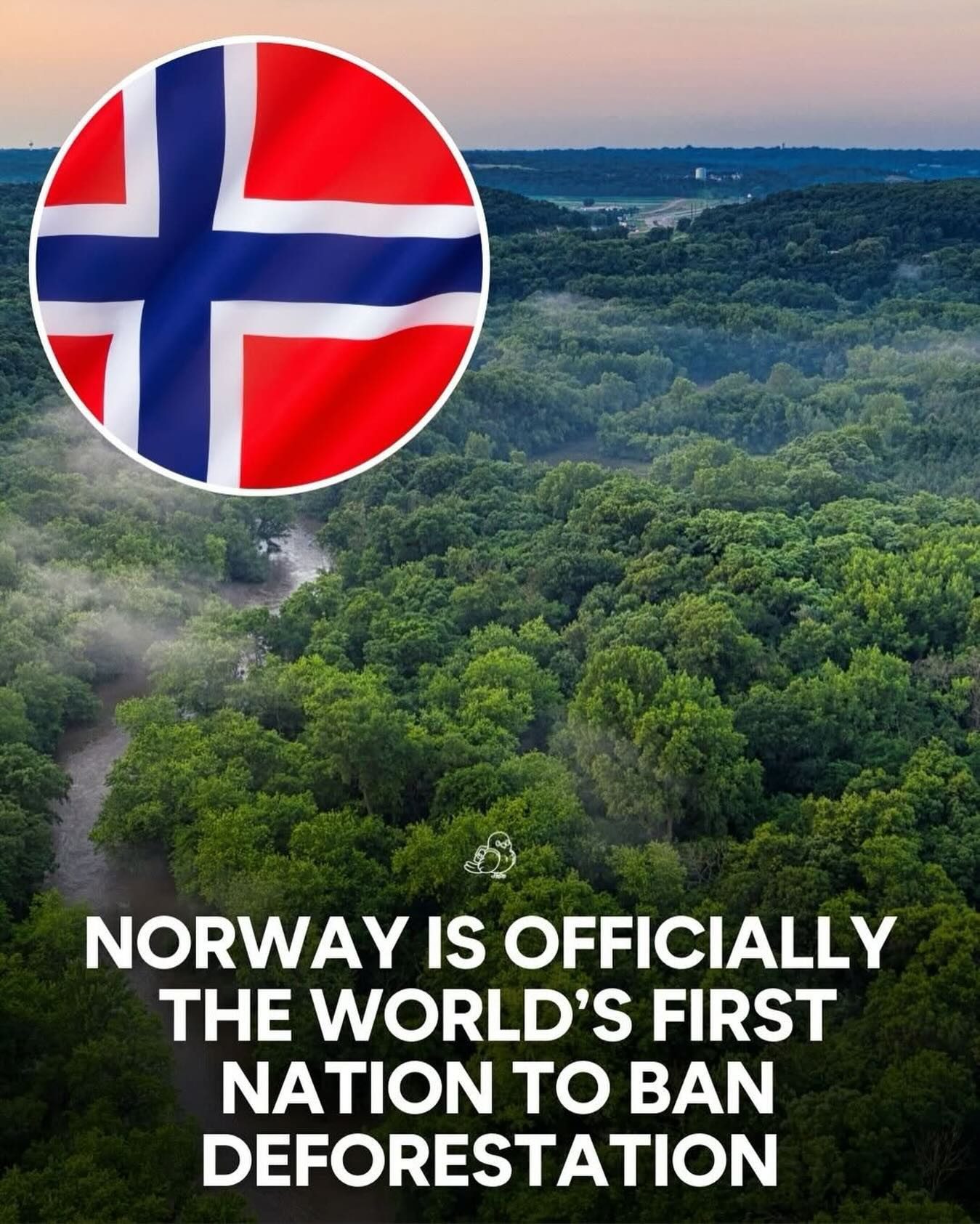
Norway's Deforestation Ban
Norway has taken a groundbreaking step by becoming the first country in the world to officially ban deforestation. This policy is a commitment to zero deforestation, meaning no government contracts will be awarded for products linked to forest destruction. From palm oil to soy, this move sets a new standard for protecting our planet’s lungs and biodiversity.
Why this Matters
In an era where environmental concerns are at the forefront of global discussions, Norway's leadership in this arena is significant. Deforestation is a critical issue that impacts climate change, biodiversity loss, and the livelihoods of countless communities. By implementing a zero-deforestation policy, Norway has set an international benchmark for environmental stewardship and sustainable development.
Understanding the Ban
Scope and Impact
Norway's deforestation ban extends to all government contracts, ensuring that any products or commodities tied to forest destruction are off the table. This includes goods like palm oil and soy, which are major drivers of deforestation in regions such as the Amazon, Congo Basin, and Southeast Asia. By banning these products, Norway sends a clear message to the global community about the importance of forest conservation.
Zero-Deforestation Policy
The zero-deforestation policy aims to halt the destruction of forests, which are essential for carbon sequestration, maintaining biodiversity, and providing essential resources. This policy is part of a broader effort to reduce greenhouse gas emissions and mitigate climate change.
How Norway Plans to Implement the Ban
Government Contracts
One of the key measures Norway is taking is to scrutinize all government contracts. By banning products linked to deforestation, Norway ensures that its public procurement processes do not contribute to environmental degradation.
Monitoring and Enforcement
Effective implementation requires robust monitoring and enforcement mechanisms. Norway will likely use satellite imagery, ground-based surveys, and collaboration with international organizations to track deforestation and ensure compliance with the ban.
International Collaboration
Norway's initiative is not just a domestic policy but a call to action for other nations. The country will likely engage in international dialogues and collaborations to encourage other countries to adopt similar measures. By working together, nations can amplify the impact of deforestation bans and protect global forest ecosystems.
Practical Tips for Supporting Sustainable Practices
Individual Actions
While government policies play a crucial role, individual actions can also make a difference. Here are some ways to support sustainable practices and reduce your environmental footprint:
-
Choose Sustainable Products: Opt for products that are certified sustainable and sourced responsibly. Look for labels like the Forest Stewardship Council (FSC) for wood and paper products, and Roundtable on Sustainable Palm Oil (RSPO) for palm oil products.
-
Reduce, Reuse, Recycle: Minimize waste by reducing consumption, reusing items, and recycling. This helps conserve resources and reduces the demand for new products that may contribute to deforestation.
-
Support Conservation Efforts: Contribute to organizations that work on forest conservation and reforestation. Your support can help protect vulnerable ecosystems and promote sustainable development.
Corporate Responsibility
Businesses also have a significant role to play in promoting sustainability. Here are some steps corporations can take:
-
Supply Chain Transparency: Ensure that your supply chain is transparent and free from products linked to deforestation. Conduct regular audits and assessments to verify compliance.
-
Sustainable Practices: Implement sustainable practices in your operations, such as reducing energy consumption, conserving water, and minimizing waste.
-
Education and Awareness: Raise awareness among employees and stakeholders about the importance of forest conservation and sustainable practices. Encourage participation in environmental initiatives and projects.
Important Takeaways
Norway's deforestation ban is a significant step toward protecting global forests and mitigating climate change. By committing to a zero-deforestation policy, Norway is leading the way in environmental stewardship and sustainable development. This initiative underscores the need for robust government policies, individual actions, and corporate responsibility in promoting sustainable practices. Through international collaboration and collective efforts, we can protect our planet’s lungs and ensure a sustainable future for all.
Conclusion
Norway's pioneering move to ban deforestation sets a new benchmark for environmental protection. It highlights the importance of zero-deforestation policies in preserving biodiversity, mitigating climate change, and promoting sustainable development. As we celebrate this achievement, let us also commit to supporting and implementing sustainable practices in our everyday lives and communities. Together, we can make a difference and ensure a greener, healthier planet for future generations.
Questions readers ask
What exactly does Norway's deforestation ban entail?
Norway's deforestation ban means that the government will not award contracts for products that are linked to forest destruction. This includes a wide range of commodities like palm oil and soy. The ban is part of a zero-deforestation policy aimed at protecting vital ecosystems and combating climate change.
Why is Norway's deforestation ban considered a global first?
Norway is the first country to implement a comprehensive ban on deforestation tied to government contracts. This makes it a pioneering effort in global environmental policy, setting a new standard for other nations to follow in protecting forests and addressing climate change.
How does Norway's deforestation ban impact government contracts?
Under Norway's deforestation ban, any government contracts involving products associated with deforestation will be prohibited. This means companies and suppliers must adhere to strict environmental standards to be eligible for these contracts.
What is the significance of Norway's deforestation ban in the context of climate change?
Norway's deforestation ban is significant because it directly addresses one of the major drivers of climate change. Deforestation contributes to carbon emissions and the loss of critical carbon-absorbing forests. By banning deforestation, Norway aims to reduce its carbon footprint and promote global efforts to mitigate climate change.
How does Norway's deforestation ban affect biodiversity?
Norway’s ban on deforestation is crucial for biodiversity preservation. Forests are home to a vast array of plant and animal species, many of which are endangered. By protecting these ecosystems, Norway helps safeguard biodiversity, ensuring the survival of numerous species and maintaining the health of global ecosystems.
What message does Norway's deforestation ban send to other nations?
Norway's deforestation ban sends a clear message to other nations that environmental stewardship is a priority. It sets an international benchmark for environmental policy, encouraging other countries to adopt similar measures to protect forests and combat climate change.
What kind of products are primarily targeted by Norway's deforestation ban?
The primary products targeted by Norway's deforestation ban include commodities like palm oil and soy, which are often linked to deforestation. By limiting the procurement of these products from unsustainable sources, Norway aims to reduce the demand that drives forest destruction.
Related deep dives
Similar reads based on topic and creator.

Recent articles
Fresh deep dives from the latest Reels we unpacked.




Comments
Be the first to comment.