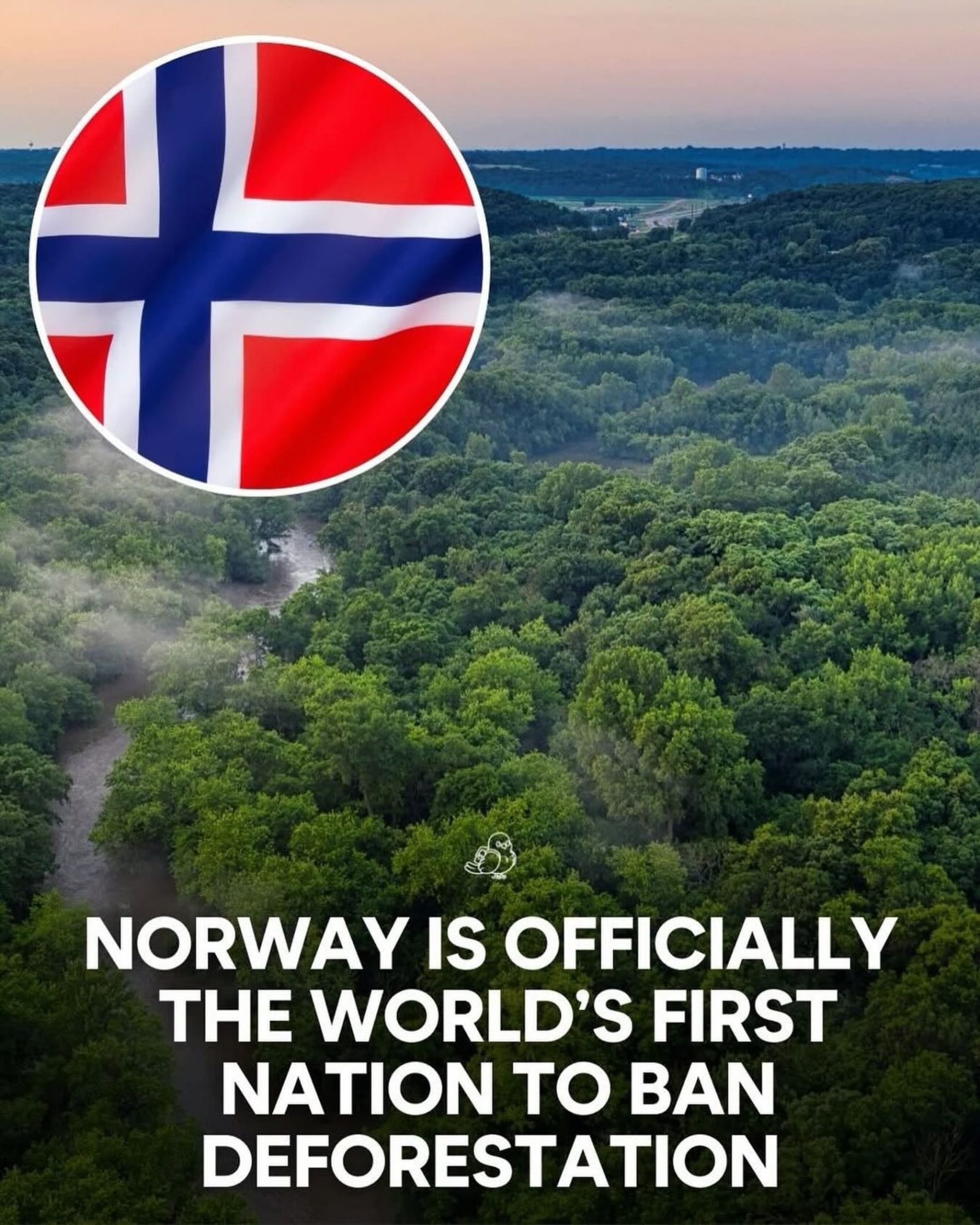
Norway's Deforestation Ban
Norway has made history by becoming the first country in the world to officially ban deforestation. This groundbreaking decision involves a zero-deforestation policy, which means the Norwegian government will no longer enter into contracts for products linked to forest destruction. From palm oil to soy, this bold move sets a new standard for protecting our planet's lungs and biodiversity.
Why This Matters
Deforestation is a significant global issue that contributes to climate change, biodiversity loss, and the disruption of ecosystems. Trees absorb carbon dioxide, making forests crucial in mitigating the effects of climate change. By banning deforestation, Norway is taking a stand against activities that harm these vital ecosystems. This move is not just about environmental protection; it's also about setting a precedent for other nations to follow.
Norway's Bold Move
The Norwegian government's zero-deforestation policy is more than just a statement; it's a comprehensive commitment. The ban means that no public funds or government contracts will be awarded to companies or products that contribute to deforestation. This includes products derived from palm oil, soy, beef, and other commodities that are often linked to large-scale forest destruction.
The Scope of the Ban
The ban covers a wide range of products, including:
- Palm Oil: A common ingredient in many foods and cosmetics, palm oil production is a significant driver of deforestation.
- Soy: Used extensively in animal feed and various processed foods, soy cultivation often leads to forest clearing.
- Beef: Livestock farming, particularly cattle grazing, is a major contributor to deforestation in many parts of the world.
By targeting these high-impact commodities, Norway is taking a strategic approach to protect forests and promote sustainable practices.
The Impact on Global Standards
Norway's decision is a game-changer for global environmental standards. As the first nation to implement such a comprehensive ban, it is setting a new benchmark for other countries to follow. This bold move can inspire other nations to adopt similar policies, leading to a more coordinated global effort against deforestation.
The Environmental and Economic Implications
The environmental benefits of this ban are clear. By reducing deforestation, Norway is helping to preserve vital ecosystems and protect biodiversity. This move also supports global climate goals by reducing carbon emissions associated with deforestation.
Economic Considerations
The economic implications are equally significant. While the ban may initially affect certain industries, it also opens up opportunities for sustainable agriculture and forestry. Companies that transition to sustainable practices can thrive under this new policy, fostering innovation and economic growth in eco-friendly sectors.
Practical Tips for Supporting Deforestation-Free Initiatives
As individuals, there are practical actions we can take to support deforestation-free initiatives:
- Choose Sustainable Products: Opt for products that are certified as deforestation-free. Look for labels like the Roundtable on Sustainable Palm Oil (RSPO) or the Rainforest Alliance.
- Support Sustainable Brands: Buy from companies that prioritize sustainability and have transparent supply chains.
- Advocate for Change: Encourage your local government and corporations to adopt zero-deforestation policies. Voice your support for environmental protection initiatives.
- Reduce Consumption: Minimize the use of products that are commonly linked to deforestation, such as palm oil, beef, and soy.
By taking these steps, consumers can contribute to the global effort against deforestation and support Norway's pioneering initiative.
Important Takeaways
Norway's ban on deforestation is a monumental step towards a more sustainable future. It highlights the importance of government policies in protecting the environment and sets a new standard for global sustainability efforts. The ban covers a wide range of commodities, making it a comprehensive effort to reduce deforestation. This move has significant environmental and economic implications, encouraging sustainable practices and inspiring other nations to follow suit.
Conclusion
Norway's decision to ban deforestation is a beacon of hope in the fight against environmental degradation. By committing to a zero-deforestation policy, Norway is showing the world that it is possible to protect our planet’s lungs and biodiversity while promoting sustainable economic growth. This bold move sets a new standard for environmental protection and provides a roadmap for other nations to follow. The time for action is now, and Norway's example serves as a powerful reminder of what can be achieved with determination and foresight.
Questions readers ask
What does Norway's zero-deforestation policy entail?
Norway's zero-deforestation policy means the country will not fund or purchase goods from suppliers linked to forest destruction. This includes major commodities like palm oil, soy, and beef, which are often associated with deforestation.
How does Norway's deforestation ban impact global climate change efforts?
By refusing to engage in activities that contribute to deforestation, Norway reduces its carbon footprint and sets an example for other nations to follow, thus contributing to global efforts to mitigate climate change.
Which commodities are specifically targeted by Norway's deforestation ban?
The ban primarily targets high-impact commodities such as palm oil, soy, and beef, which are known for their significant role in deforestation. These commodities are often produced in ways that clear large areas of forests.
What is the significance of Norway being the first country to implement a deforestation ban?
As the first country to implement such a policy, Norway sets a global precedent, encouraging other nations to follow suit. This leadership can drive international standards and practices towards sustainable and responsible supply chains.
How does Norway's ban on deforestation support biodiversity protection?
Deforestation is a leading cause of biodiversity loss. By banning deforestation, Norway helps protect and preserve vital ecosystems, ensuring the survival of countless species and maintaining ecological balance.
What steps has Norway taken to ensure sustainable logging and supply chains?
Norway has committed to not entering into contracts with suppliers involved in deforestation, thereby promoting a sustainable supply chain. This ensures that the products they procure and utilize are sourced responsibly, without contributing to forest destruction.
What is the impact of Norway's deforestation ban on international trade?
Norway's ban sends a strong message to international traders and producers, encouraging them to adopt more sustainable practices. It may also influence trade agreements and policies, promoting a global shift towards environmentally responsible supply chains.
Related deep dives
Similar reads based on topic and creator.

Recent articles
Fresh deep dives from the latest Reels we unpacked.




Comments
Be the first to comment.