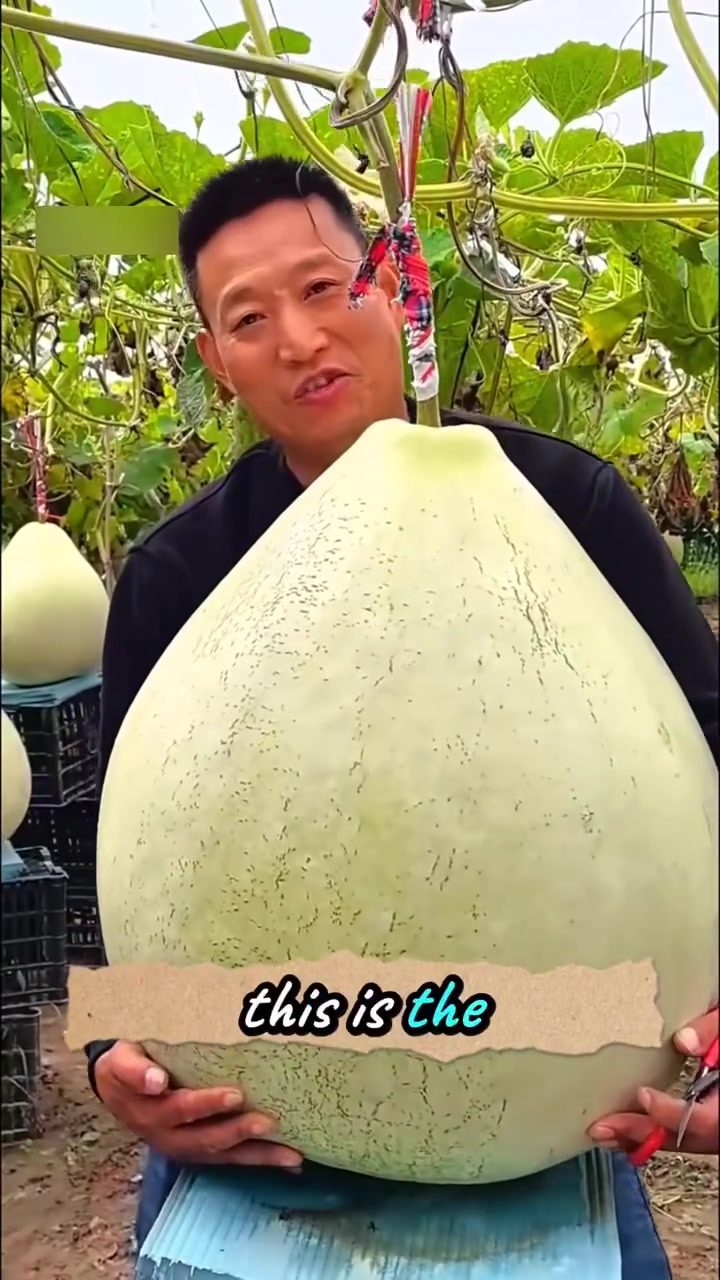
Giant Bottle Gourds and Their Preservation
Giant bottle gourds are a staple in northeast China, where they are not just a curiosity but a practical solution to food preservation. These enormous gourds, although common in the region, have an origin that stretches beyond its borders. The sheer size of these gourds presents a unique challenge: one family can't consume an entire gourd in a single meal. This has led locals to develop innovative methods for preserving these fruits, ensuring that they can be enjoyed throughout the year.
Why This Matters
The giant bottle gourd, or giant bottle fruit, is more than just a novelty; it's a versatile and sustainable food source. Its preservation techniques showcase the ingenuity of local farmers and their commitment to reducing food waste. This method not only helps in extending the shelf life of the gourd but also allows for a variety of culinary uses, making it a valuable ingredient in many traditional dishes.
Main Discussion
The Origin and Size of Giant Bottle Gourds
Giant bottle gourds, originating from overseas, are now a common sight in northeast China. Their large size makes them unmanageable for a single family to consume in one sitting, necessitating preservation techniques. These gourds are known for their tough outer skin and dense flesh, which makes them durable for long-term storage.
The Preservation Process
The process of preserving giant bottle gourds involves several precise steps. First, the gourd is fixed onto a specialized tool, and the tough outer skin is carefully peeled off. This step is crucial as it ensures the flesh remains intact and continuous. Next, the flesh is shredded into long, thin strips. This technique requires skill and patience, as the strips need to stay continuous from start to finish.
The peeled and shredded flesh is then dried, which extends its shelf life to an entire year. When it’s time to cook, the dried strips are soaked in warm water until they are soft again. This rehydration process restores the gourd’s texture, making it suitable for various dishes, including stir-fries, stews, and dumpling fillings.
The Tools and Techniques
Local farmers employ specialized tools to handle the giant bottle gourds effectively. These tools are designed to peel the tough skin and shred the flesh into uniform strips. The tool and peel off the skin in a coiled rope-like fashion, helping to maintain the continuity and integrity of the strips. This method ensures that the gourd’s flesh is preserved efficiently, minimizing waste and maximizing usability.
Culinary Uses
The preserved giant bottle gourds offer a variety of culinary applications. Once rehydrated, the strips can be used in stir-fries, stews, and as fillings for dumplings. These dried strips add a unique texture and flavor to dishes, making them a sought-after ingredient in many Chinese households. The rehydration process restores the gourd’s moisture and softness, ensuring that it blends seamlessly into various recipes.
The Environmental Impact
Preserving giant bottle gourds has significant environmental benefits. By extending the shelf life of these fruits, farmers reduce food waste and promote sustainable practices. This method also supports local agriculture, as it encourages the cultivation and preservation of these gourds, contributing to the region’s food security. The preservation process is not only practical but also aligns with the principles of sustainable living, making it a valuable practice for both agricultural and environmental reasons.
Practical Tips
When preparing giant bottle gourds, it's essential to follow the traditional preservation methods meticulously. Here are some tips to help you achieve the best results:
-
Choosing the Right Tools: Use specialized tools designed for peeling and shredding the gourd. These tools ensure that the flesh remains continuous and intact, which is crucial for long-term preservation.
-
Maintaining Continuity: When shredding the flesh, focus on maintaining the continuity of the strips. This requires skill and patience, but it ensures that the gourd can be rehydrated and used in various dishes effectively.
-
Proper Drying and Storage: Ensure that the dried strips are stored in a cool, dry place. This prevents moisture buildup and extends the shelf life of the preserved gourd.
-
Rehydration Techniques: When it’s time to cook, rehydrate the dried strips by soaking them in warm water until they are soft. This restores the gourd’s texture and flavor, making it suitable for various culinary applications.
-
Experimentation: Don’t be afraid to experiment with different recipes and cooking methods. Giant bottle gourds can be used in various dishes, and exploring new ways to incorporate them can enhance your culinary repertoire.
Important Takeaways
The preservation of giant bottle gourds in northeast China is a testament to the region’s innovative approach to food sustainability. By employing traditional techniques, local farmers have found a way to make the most of these enormous fruits, ensuring that they provide nourishment and flavor throughout the year.
Conclusion
Giant bottle gourds are a remarkable example of how traditional practices can contribute to modern-day food sustainability. The preservation techniques used in northeast China not only extend the shelf life of these fruits but also offer a variety of culinary uses. By following the traditional methods, anyone can enjoy the benefits of these versatile gourds, contributing to a more sustainable and flavorful culinary experience.
Questions readers ask
What makes giant bottle gourds significant in Northeast China?
Giant bottle gourds are a staple in Northeast China due to their size and practicality. They provide a sustainable food source and present a unique challenge and solution for food preservation, helping families extend their shelf life for year-long use.
What are some traditional methods used to preserve giant gourds in Northeast China?
Locals in Northeast China have developed various methods to preserve giant gourds, including drying techniques. One popular method involves slicing the gourd, drying the slices, and then storing them for use throughout the year.
How do giant bottle gourds contribute to sustainable food storage in Northeast China?
Giant bottle gourds contribute to sustainable food storage by providing a long-lasting food source. The innovative preservation techniques used by locals help to minimize food waste, ensuring that the gourds can be consumed over an extended period.
What is the origin of the giant bottle gourd in China?
While giant bottle gourds are a staple in Northeast China, their origin stretches beyond the region. They are native to tropical and subtropical regions and have been cultivated in China for centuries, with their exact origin not clearly defined.
How do the preservation techniques for giant gourds in Northeast China showcase local ingenuity?
The preservation techniques for giant gourds in Northeast China demonstrate the ingenuity of local farmers. These techniques are designed to overcome the challenge of consuming such a large fruit, ensuring that the gourds can be stored and used efficiently throughout the year.
What are the benefits of giant bottle gourds as a food source?
Giant bottle gourds are a versatile food source in Northeast China. They can be used in various dishes and can provide essential nutrients. Their ability to preserve well makes them a reliable food source throughout the year, contributing to a balanced diet with little waste.
Recent articles
Fresh deep dives from the latest Reels we unpacked.




Comments
Be the first to comment.