Unbelievable Rules and Realities Inside North Korea
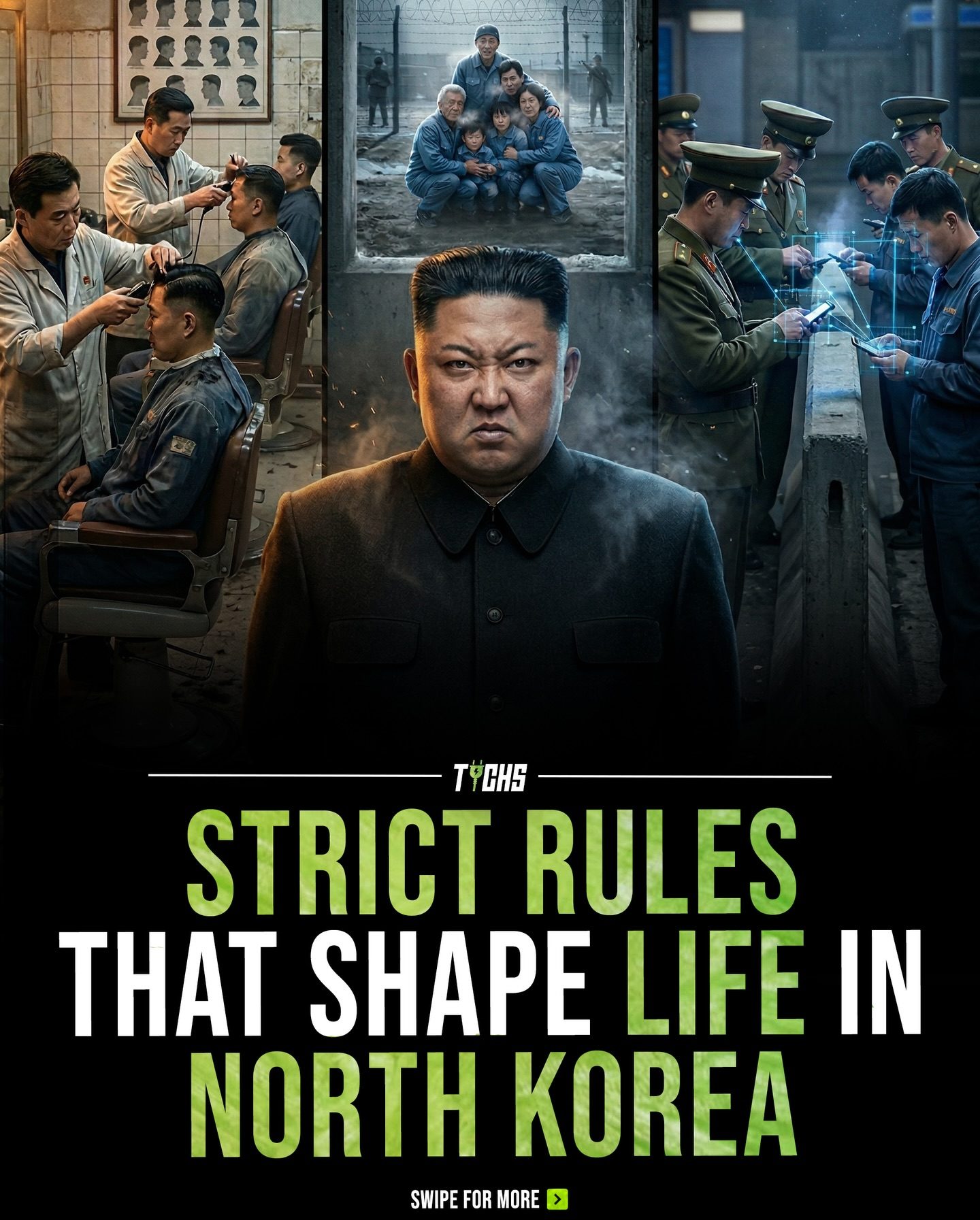
North Korea is known for its strict government control over daily life, culture, and personal freedom. The country's unique rules and regulations shape nearly every aspect of citizens' lives, from hairstyles to fashion choices, and even how they interact with foreign media.
Why This Matters
Understanding the rules and realities inside North Korea provides insights into the country’s social and political landscape. These rules reflect the government's efforts to maintain control, limit outside influence, and shape the cultural norms of its citizens.
The Strange Rules and Regulations
Controlled Fashion and Appearance
North Korea imposes strict rules on personal appearance. The state has reportedly approved a limited number of hairstyles, and denim is banned as it is considered a sign of American imperialism. This control extends to everyday fashion, with certain styles deemed undesirable due to their association with outside influences. Citizens are expected to adhere to these guidelines, which can impact everything from clothing choices to personal grooming habits.
Calendar and Historical Dates
The country follows its own calendar, which starts from Kim Il-sung’s birth in 1912. This unique calendar system is another example of how North Korea maintains a controlled narrative, emphasizing its own historical significance and downplaying global events.
Punishment for Political Crimes
One of the most severe rules in North Korea is the practice of punishing multiple generations for a single political crime. Parents, children, and even grandchildren can be affected by the actions of one family member. This collective punishment serves as a powerful deterrent, ensuring that citizens think twice before engaging in any activities deemed subversive by the state.
Respect for Leaders
Citizens and visitors alike are expected to show respect for leaders such as Kim Jong-il. This respect often translates into public displays of loyalty, including mandatory participation in political rallies and parades. Displays of disrespect can result in severe consequences, further reinforcing the government's control over public sentiment.
Cultural Restrictions
Limits on Foreign Media
Access to foreign media is heavily restricted, with the government carefully regulating what content citizens can consume. This includes limiting exposure to international news, movies, and music. The goal is to maintain a controlled narrative and prevent the spread of ideas that could challenge the state's authority. Citizens may face severe penalties for accessing or distributing unauthorized content.
Restricted Travel
Travel is heavily restricted for most citizens, with only a select few allowed to leave the country. This restriction helps maintain the state's control over information flow and limits external influences. For those who do travel, strict rules govern their movements and interactions, ensuring that they do not deviate from the state's approved narrative.
Important Takeaways
North Korea's strict rules and regulations reflect a broader effort to maintain control over every aspect of life. From personal appearance to political behavior, the state's influence is pervasive, shaping the daily experiences of its citizens. Understanding these rules provides a glimpse into the unique challenges faced by those living under such a controlled regime. It also highlights the ways in which the government uses these regulations to maintain its authority and limit outside influences.
Conclusion
North Korea's strict rules and regulations create a unique social and political landscape, with control extending from personal appearance to political behavior. These rules, though sometimes harsh, reflect the state's efforts to maintain authority, limit outside influences, and shape the cultural norms of its citizens. By understanding these rules, we gain a deeper appreciation for the complexities of life in North Korea and the broader implications of government control.
Questions readers ask
What are some of the most surprising rules imposed by the North Korean government on personal appearance?
The North Korean government regulates many aspects of personal appearance, including hairstyles. For instance, men are typically allowed only a few styles, while women have slightly more options. Both are required to avoid trends that might be considered too fashionable or trendy, reflecting the government's desire to maintain a uniform look. Additionally, fashion choices are heavily influenced by the state, and citizens are given a limited number of approved clothing styles.
How does the North Korean government control the narrative of its history and culture?
The North Korean government tightly controls the narrative of its history and culture through state-approved media and propaganda. Historical events are often portrayed in a way that supports the Kim regime's agenda, and any deviations from the approved narrative are strictly prohibited. Citizens are encouraged to follow a specific cultural narrative that glorifies the state and its leaders, while downplaying or omitting certain facts or events that could contradict it.
What restrictions are placed on North Korean citizens when interacting with foreign media?
The North Korean government imposes strict rules on interactions with foreign media. Citizens are often prohibited from engaging with foreign media outlets or watching foreign media, which can result in severe penalties. Furthermore, foreign journalists are closely monitored and restricted in their movements, ensuring that any information disseminated about the country aligns with the government’s official narrative. This control ensures that outside influences do not disrupt the carefully cultivated cultural narrative.
Why does North Korea limit fashion choices for its citizens?
The North Korean government limits fashion choices to maintain a uniform appearance and prevent the spread of outside influences. By controlling fashion, the regime can ensure that citizens adhere to a specific aesthetic that reflects its values and ideology. This also helps to reinforce the government's control over every aspect of daily life, including personal expression.
What impact do North Korean government regulations have on the daily lives of its citizens?
The North Korean government’s regulations have a profound impact on the daily lives of its citizens. These rules dictate everything from hairstyles to fashion choices, and even how citizens interact with the outside world. By enforcing these strict regulations, the government aims to maintain control, limit outside influences, and shape the cultural narrative, ensuring that citizens conform to the desired societal norms.
How does the North Korean government encourage conformity in its citizens?
The North Korean government encourages conformity through a combination of strict regulations and propaganda. Citizens are required to adhere to approved hairstyles, fashion choices, and cultural narratives, which are enforced through various means, including surveillance and penalties. This system ensures that citizens align with the government's ideology and helps maintain social order and control.
What are the consequences for violating North Korean government rules?
Violating North Korean government rules can result in severe consequences, including punishment, imprisonment, or even worse. These penalties serve as a deterrent for citizens to comply with the strict regulations. The government uses these measures to maintain control and ensure that citizens adhere to the desired cultural narrative and behavior, preventing any form of dissent or deviation from the official line.
Recent articles
Fresh deep dives from the latest Reels we unpacked.




Comments
Be the first to comment.