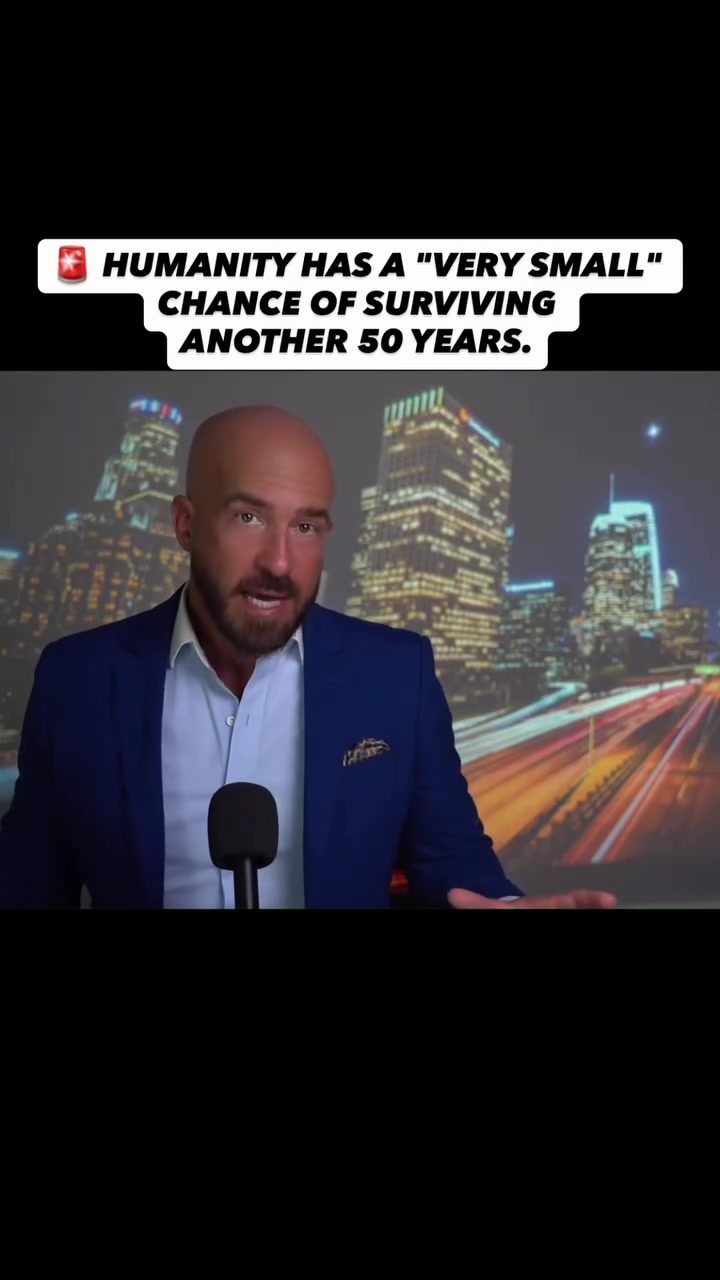
Humanity and its Challenges: A Nobel Winner's Pessimistic Outlook
Humanity has a very small chance of surviving another 50 years is what a well-respected Nobel Prize-winning physicist, David Gross, has warned. His dire prediction isn't rooted in conspiracy theories or movie plots, but in a deep understanding of the current global landscape. His insights are grounded in a lifetime of studying the most profound laws of the universe.
Why This Matters
Gross's warning underscores the urgent need to address escalating global tensions and rapidly advancing technologies that could exacerbate future conflicts. His message is not about doomsday scenarios but about the real and imminent threats that humanity faces. Understanding these threats and taking proactive measures could be crucial for our survival.
The Threats According to Gross
Accelerating Technologies
Gross points out that artificial intelligence (AI) is advancing at a pace that regulators struggle to keep up with. This technological leap could make future conflicts more dangerous. The ethical and security implications of AI are vast and largely uncharted. Nations are also stockpiling weapons, adding to the global instability. The rapid advancement of technology, combined with the escalating global tensions, poses a significant threat to humanity's future.
Nuclear War and Global Tensions
The risk of nuclear war is growing, and communication between major world powers is deteriorating. This strained communication could lead to misunderstandings and miscalculations, increasing the likelihood of catastrophic conflicts. The threat isn't decades away; it's already here.
The Ultimate Theory
Gross's concern isn't just about survival; it's also about the future of scientific discovery. He worries that humanity might not be around long enough to uncover the ultimate theory that explains everything in the universe. This is a chilling thought, considering we are on the brink of unlocking some of the biggest mysteries in existence. The irony is that while we are making incredible scientific progress, we could self-destruct before fully realizing these discoveries.
Practical Tips to Mitigate the Risks
While Gross's warning is sobering, there are steps we can take to mitigate these risks.
Enhancing Global Communication
Improving communication between world leaders and fostering international cooperation could help reduce the risk of nuclear war and other global conflicts. Diplomatic efforts, treaties, and agreements can play a crucial role in maintaining peace and stability.
Regulating Technological Advancements
Regulating the rapid advancement of technologies, particularly AI, is essential. This involves creating frameworks that ensure these technologies are used responsibly and ethically, and that they do not exacerbate global tensions or conflicts.
Reducing Global Tensions
Addressing global tensions through diplomatic means, conflict resolution, and peace-building initiatives can help create a more stable world. Reducing the number of weapons and promoting disarmament can also decrease the risk of conflict.
Important Takeaways
Gross's warning highlights several key points about humanity's future:
- Global Tensions and Conflicts: The risk of nuclear war and escalating global tensions are significant threats to humanity's survival.
- Technological Advancements: Rapid technological progress, particularly in AI, could make future conflicts more dangerous if not properly regulated.
- Scientific Discovery: Despite making strides in scientific discovery, humanity might not be around long enough to unlock the ultimate theory of the universe.
- Urgent Action: The threats are imminent, and urgent action is needed to address these global challenges.
Conclusion
David Gross's warning serves as a stark reminder of the challenges humanity faces. His insights underscore the need for proactive measures to address global tensions, regulate technological advancements, and promote international cooperation. By taking these steps, we can work towards a more stable and secure future for all. The future of humanity is in our hands, and it's up to us to ensure that we make it through the next half-century.
Questions readers ask
What are the primary factors that lead David Gross to believe humanity may face extinction within 50 years?
David Gross points to several critical factors, including unchecked global conflicts, rapid advancements in artificial intelligence, and the persistent threat of nuclear war. These elements, when combined, could create an environment that pushes humanity towards extinction.
Who is David Gross and why does his warning hold significance?
David Gross is a Nobel Prize-winning physicist known for his profound insights into the fundamental laws of the universe. His warning holds significance because it comes from a respected scientist who has spent his career studying the core principles that govern our world.
What is the main message behind David Gross's warning about humanity's survival?
The main message is that humanity must urgently address escalating global tensions and the rapid advancement of technologies, particularly AI, which could exacerbate future conflicts. Gross emphasizes the need for immediate action to mitigate these threats.
How does David Gross view the threat of nuclear war in relation to humanity's survival?
David Gross considers the threat of nuclear war as a significant factor contributing to humanity's precarious future. He believes that the looming danger of nuclear conflict, combined with other challenges, could lead to catastrophic consequences within the next 50 years.
What role do AI advancements play in the potential extinction of humanity, according to David Gross?
Gross warns that rapid advancements in AI could escalate conflicts and create new threats. He suggests that the unchecked development of AI, without proper consideration of its potential risks, could contribute to humanity's downfall.
What steps can humanity take to improve its chances of survival beyond the next 50 years?
To improve its chances of survival, humanity must take proactive measures to address global conflicts, regulate AI advancements, and mitigate the threat of nuclear war. By understanding and acting on these threats, humanity can work towards a more secure future.
Related deep dives
Similar reads based on topic and creator.


Recent articles
Fresh deep dives from the latest Reels we unpacked.




Comments
Be the first to comment.