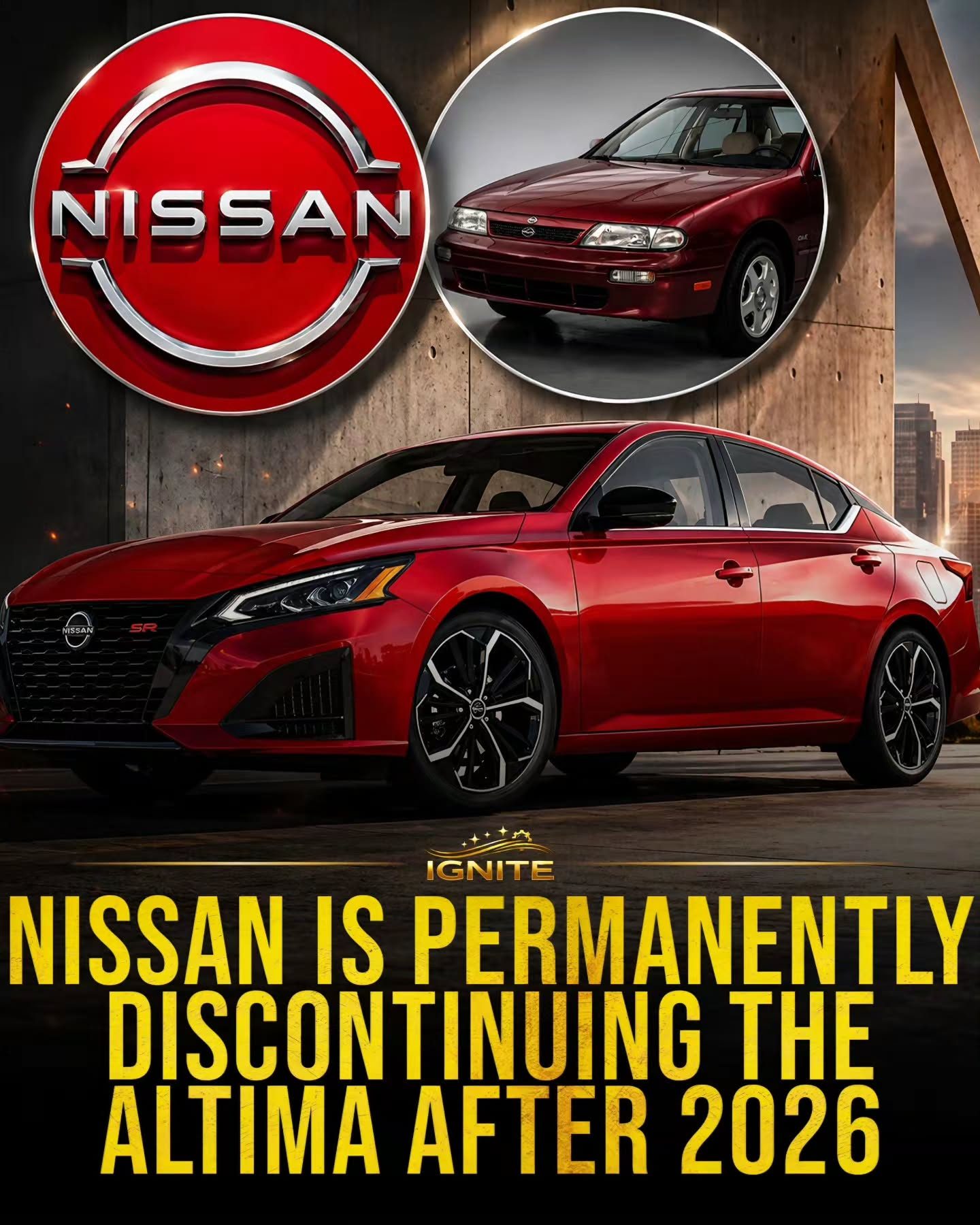
Nissan Altima Discontinuation
The recent announcement that Nissan is permanently discontinuing the Altima after 2026 has sparked interest and curiosity among car enthusiasts and industry analysts. This decision marks the end of an era for the popular sedan, which has been a staple in the Nissan lineup for many years. Understanding the context and implications of this move can provide valuable insights into the future of the automotive industry and consumer preferences.
Why This Matters
The discontinuation of a well-known model like the Nissan Altima is significant for several reasons. First, it reflects broader trends in the automotive market, where consumer preferences are shifting towards SUVs and crossovers. Second, it highlights Nissan's strategic shift in focusing on more profitable and popular vehicle segments. Finally, it offers a glimpse into the brand’s plans for the future, including potential new models and technological advancements.
The Altima's Journey
A Brief History
The Nissan Altima has been a cornerstone of the brand's sedan lineup since its introduction in 1993. Over the years, it has undergone several redesigns and updates, each time aiming to meet the evolving demands of consumers. The Altima has been praised for its reliability, spacious interior, and advanced features, making it a popular choice for families and commuters alike. Its discontinuation after 2026 signifies a significant change in Nissan's product strategy, reflecting broader industry trends and consumer preferences.
Market Trends and Consumer Preferences
One of the primary factors driving the discontinuation of the Altima is the shifting market landscape. Over the past decade, there has been a noticeable decline in the popularity of sedans, particularly in the United States. This trend can be attributed to several factors, including the rise of SUVs and crossovers, which offer more versatility, cargo space, and a higher driving position. Additionally, the increasing demand for electric vehicles (EVs) and hybrid models is reshaping the automotive market, prompting manufacturers to reallocate resources towards more sustainable and technologically advanced offerings.
The Future of Nissan
Strategic Shifts and New Focus Areas
Nissan's decision to discontinue the Altima is part of a larger strategic shift within the company. By focusing on SUVs, crossovers, and electric vehicles, Nissan aims to capitalize on the growing demand for these segments. This shift is likely driven by the need to stay competitive in a rapidly evolving market, where consumer preferences and regulatory requirements are constantly changing. The discontinuation of the Altima allows Nissan to invest more resources into developing new models that align with these emerging trends.
Potential New Models and Technological Advancements
While the Altima's discontinuation is a significant change, it also opens the door for exciting new possibilities. Nissan has been actively investing in research and development for electric and autonomous vehicles, as well as advanced safety and connectivity features. With the resources previously allocated to the Altima now available, the brand can accelerate the development and launch of innovative new models that cater to the evolving needs of consumers.
Practical Tips for Current and Prospective Altima Owners
Current Owners
For current Altima owners, the discontinuation announcement does not affect the car's performance or reliability. Owners can continue to enjoy their Altima, knowing that it remains a reliable and well-built vehicle. Regular maintenance and servicing will ensure that the car continues to perform optimally. Additionally, Nissan dealers and service centers will continue to provide support, parts, and service for Altima models for many years to come.
Prospective Buyers
For prospective buyers who were considering the Altima, it's essential to explore alternative options within the Nissan lineup. Nissan offers a range of SUVs and crossovers that provide similar or even enhanced features and capabilities. Models like the Nissan Rogue, Qashqai, or Murano are worth exploring, as they offer the versatility and practicality that today's consumers demand. Additionally, considering Nissan's investment in electric vehicles (EVs), models like the Nissan Leaf or the upcoming Ariya are exciting options for those looking for a more sustainable and technologically advanced driving experience.
Important Takeaways
The discontinuation of the Nissan Altima after 2026 reflects several important trends in the automotive industry. Firstly, it highlights the shift in consumer preferences towards SUVs and crossovers. Secondly, it underscores Nissan's strategic focus on more profitable and technologically advanced vehicle segments. Lastly, it offers insights into the future of the brand, where innovation, sustainability, and consumer-centric design will play a crucial role.
Conclusion
The end of the Nissan Altima is a significant milestone in the brand's history, marking a transition towards a more sustainable and versatile future. While it may be a loss for sedan enthusiasts, the discontinuation opens up new opportunities for Nissan to innovate and meet the evolving needs of consumers. As the automotive industry continues to evolve, staying informed about these changes and exploring new options can ensure that you make the best choices for your driving needs and preferences.
Questions readers ask
What is the last model year for the Nissan Altima?
The last model year for the Nissan Altima is 2026, after which the sedan will be discontinued, marking the end of its production.
Why is Nissan discontinuing the Altima?
Nissan is discontinuing the Altima to focus on the growing demand for SUVs and crossovers, aligning with the broader shift in consumer preferences and market trends.
Will there be a replacement for the Nissan Altima?
Nissan has not officially announced a direct replacement for the Altima. However, the automaker is likely to introduce new SUV models to cater to the growing demand in that segment.
What does the discontinuation of the Altima indicate about the future of sedans?
The discontinuation of the Altima suggests that sedans may become less prevalent in the market as SUVs and crossovers gain popularity, reflecting the changing landscape of consumer preferences.
How will this affect the current owners of the Nissan Altima?
Current owners of the Nissan Altima will not be directly impacted by the discontinuation. However, they may face increased depreciation and potential maintenance challenges as parts and services become less widely available over time.
What are the new, future Nissan models expected after the discontinuation?
Nissan is expected to introduce a number of new SUV and crossover models, expanding its lineup to cater to the growing market demand for these vehicle types.
What should buyers look for if they are interested in a sedan but the Altima is ending?
Buyers interested in a sedan might consider alternatives from other manufacturers or explore the available options from Nissan’s remaining sedan models, such as the Nissan Sentra, which is not being discontinued.
Recent articles
Fresh deep dives from the latest Reels we unpacked.




Comments
Be the first to comment.