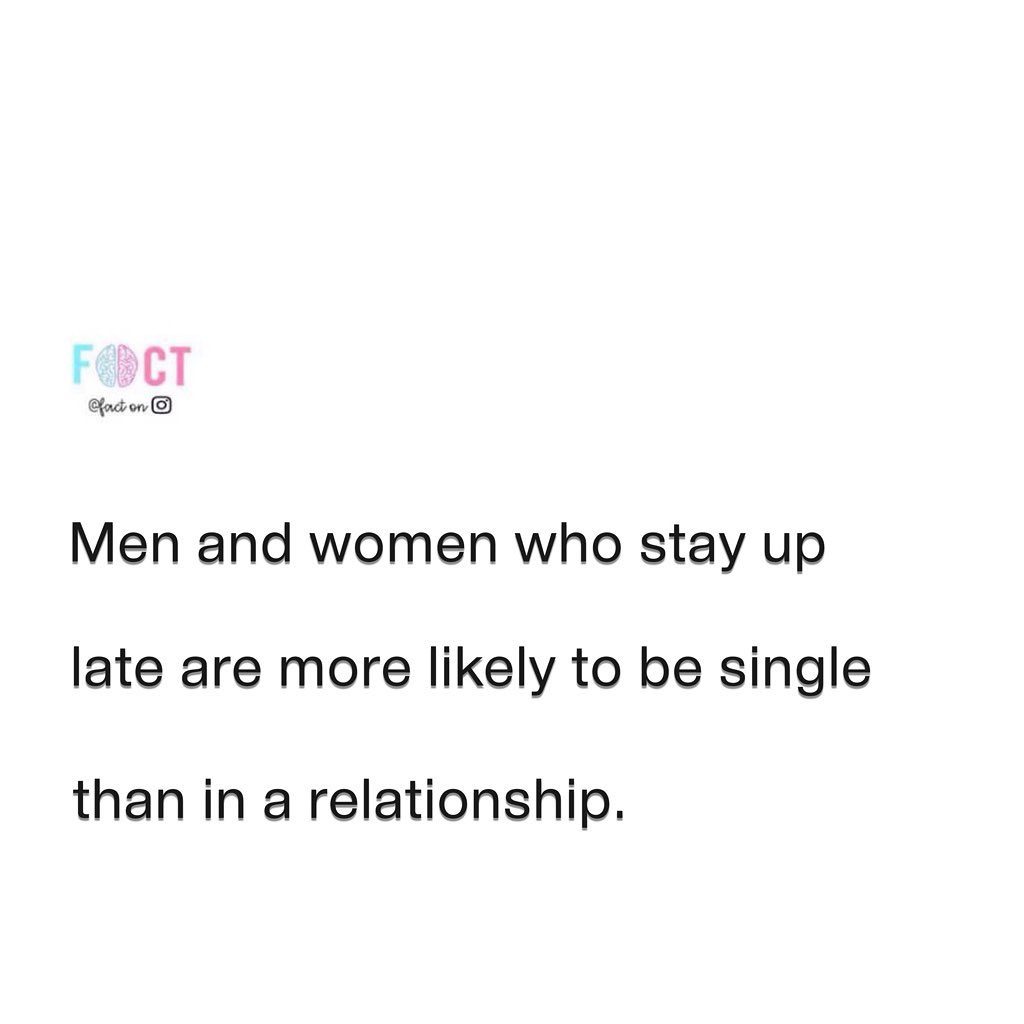
Relationship Statistics: The Connection Between Sleep Patterns and Relationship Status
The correlation between sleep patterns and relationship status is an intriguing topic that has gained attention in recent years. Specifically, the idea that men and women who stay up late are more likely to be single has sparked curiosity and debate. Let's delve into this phenomenon to understand the underlying reasons and implications.
Context / Why This Matters
Sleep patterns play a crucial role in various aspects of our lives, including our relationships. Understanding how these patterns influence our romantic lives can provide valuable insights into maintaining healthy relationships. By examining the factors that contribute to this correlation, we can gain a better understanding of how to navigate our social and romantic connections more effectively.
Main Discussion
The Science Behind Sleep and Relationships
Sleep is essential for overall well-being, and its impact on relationships is no exception.
Circadian Rhythms and Social Interaction
Our circadian rhythms, or internal clocks, regulate our sleep-wake cycles. These rhythms are influenced by various factors, including sunlight, social interactions, and meal times. People who stay up late often have circadian rhythms that are out of sync with those of the broader population, which can affect their social interactions.
Staying up late can lead to a misalignment of social rhythms, making it harder to connect with others who have more traditional sleep schedules. This misalignment can result in fewer opportunities for social interactions, which are crucial for building and maintaining relationships.
The Role of Lifestyle Factors
Lifestyle factors such as work schedules, hobbies, and personal habits can also play a significant role in sleep patterns and relationship status. For instance, those who work night shifts or have irregular work schedules may find it challenging to maintain healthy relationships due to their unconventional sleep patterns. Similarly, individuals who are more active during late hours may have fewer opportunities to interact with others who follow more traditional schedules.
Psychological and Emotional Factors
Psychological and emotional factors can also influence sleep patterns and relationship status. People who stay up late may be more prone to stress, anxiety, or depression, which can negatively impact their relationships. These emotional states can disrupt sleep quality, leading to a cycle of poor sleep and strained relationships.
Sociological Perspectives
Sociological factors also contribute to the correlation between late-night habits and relationship status. Society often expects individuals to adhere to certain norms and expectations, including sleep schedules and social interactions. Those who deviate from these norms may face social stigma or isolation, which can affect their ability to form and maintain relationships.
Social Expectations and Norms
Societal norms and expectations can play a significant role in how individuals view and interact with others. For example, people who stay up late may be perceived as less reliable or dependable, which can negatively impact their relationships. These perceptions can lead to fewer social interactions and, consequently, fewer opportunities to form meaningful relationships.
Cultural Differences
Cultural differences can also influence sleep patterns and relationship status. In some cultures, staying up late is more accepted and even encouraged, while in others, it is viewed as deviant behavior. These cultural norms can affect how individuals view and interact with others, as well as their sleep patterns and relationship status.
Time Management and Relationships
Effective time management is crucial for maintaining healthy relationships. Those who stay up late often struggle with time management, which can negatively impact their relationships. Balancing work, social interactions, and personal time can be challenging, especially for those who have irregular sleep schedules.
Practical Tips
Understanding the correlation between sleep patterns and relationship status can help individuals take proactive steps to improve their relationships. Here are some practical tips to consider:
Adjusting Sleep Patterns
Adjusting your sleep patterns can help you align with more traditional social rhythms, increasing your opportunities for social interactions. Try gradually shifting your bedtime and wake-up time to better align with societal norms. This can help you feel more energetic and engaged during daytime social interactions.
Prioritizing Quality Sleep
Quality sleep is essential for overall well-being and can positively impact your relationships. Ensure you create a comfortable sleep environment, avoid screens before bed, and establish a consistent bedtime routine. Adequate sleep can improve your mood, energy levels, and overall mental health, making you more likely to engage in positive social interactions.
Engaging in Social Activities
Engaging in social activities can help you form and maintain relationships. Make an effort to participate in group activities, join clubs or organizations, or attend social events. These interactions can help you build a strong social network, which is crucial for maintaining healthy relationships.
Managing Stress and Emotions
Managing stress and emotions can positively impact your sleep patterns and relationships. Engage in stress-relieving activities such as exercise, meditation, or journaling. Seeking support from friends, family, or a mental health professional can also help you manage stress and emotions more effectively.
Balancing Work and Personal Life
Balancing work and personal life is crucial for maintaining healthy relationships. Set boundaries between work and personal time, and prioritize activities that bring you joy and fulfillment. This can help you feel more energized and engaged in your relationships, leading to more meaningful and satisfying connections.
Important Takeaways
Understanding the correlation between sleep patterns and relationship status can provide valuable insights into maintaining healthy relationships. By recognizing the factors that contribute to this correlation, we can take proactive steps to improve our relationships. Key takeaways include:
- Sleep Patterns Influence Social Interactions: Staying up late can lead to a misalignment of social rhythms, reducing opportunities for social interactions.
- Lifestyle, Psychological, and Sociological Factors: Various factors, including work schedules, emotional states, and societal norms, can impact sleep patterns and relationship status.
- Strategies for Improvement: Adjusting sleep patterns, prioritizing quality sleep, engaging in social activities, managing stress, and balancing work and personal life can help improve relationships.
Conclusion
The correlation between sleep patterns and relationship status highlights the importance of understanding how various factors influence our social lives. By recognizing the role of circadian rhythms, lifestyle, psychological, and sociological factors, we can take proactive steps to improve our relationships. Whether through adjusting sleep patterns, managing stress, or engaging in social activities, there are numerous strategies to help maintain healthy and fulfilling connections. Taking a holistic approach to our well-being can lead to more meaningful and satisfying relationships, ultimately enhancing our overall quality of life.
Questions readers ask
Do night owls really have a harder time finding romantic partners?
Yes, night owls may face more challenges in finding and maintaining romantic relationships due to their late-night sleep patterns, which can lead to fewer opportunities to meet potential partners during typical social hours.
What are the major relationship challenges for night owls?
Night owls often struggle with coordinating schedules for dates, spending quality time with partners, and maintaining social connections. Their late-night habits can also lead to misunderstandings and friction with partners who have different sleep patterns.
Do sleep habits affect social connections in general for night owls?
Absolutely. Night owls' social rhythms are often misaligned with those of early birds, leading to fewer opportunities for social interaction and connection. This can result in a smaller social circle and fewer chances to meet new people.
Are night owls more likely to be single if they live in a city with a vibrant nightlife?
While a vibrant nightlife might offer more opportunities for night owls to socialize, it doesn't guarantee a reduction in the likelihood of being single. The key is still finding a partner with a compatible sleep schedule and lifestyle.
What can night owls do to improve their relationship prospects?
Night owls can try to adjust their sleep schedules gradually to better align with societal norms, seek partners with similar sleep patterns, and actively participate in social activities during the day to increase their chances of forming meaningful connections.
How do early birds and night owls differ in their dating habits?
Early birds tend to have more alignment with traditional social hours, offering more opportunities to meet potential partners. In contrast, night owls may need to be more proactive in seeking out social events and activities that occur later in the day or at night.
Recent articles
Fresh deep dives from the latest Reels we unpacked.




Comments
Be the first to comment.