Balinese Traditional Dance and the Legendary Niang Soli
Balinese traditional dance is a vibrant and culturally rich art form that has captivated audiences for generations. One of the most renowned figures in this realm is Niang Soli, also known as Gusti Ayu Soli, a legendary dancer from Desa Saba, Blahbatuh, Gianyar, Bali. Her remarkable story and enduring spirit embody the vitality and tradition of Balinese dance.
Why This Matters
Beyond its aesthetic beauty, Balinese traditional dance holds deep cultural significance. It is a living expression of the island's heritage, passed down through generations. Understanding the art form and its practitioners like Niang Soli offers insights into Bali's rich history and the enduring spirit of its people. This dance form not only entertains but also serves as a vehicle for cultural preservation and identity.
Main Discussion
The Art of Legong Bapang Saba
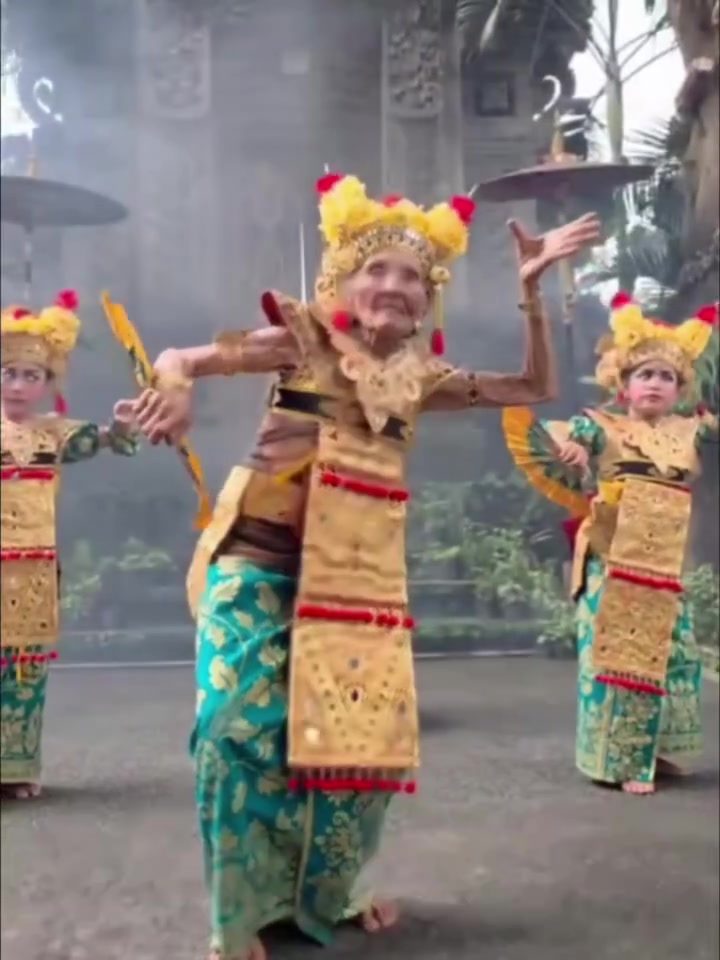
Niang Soli is famous for performing the classical Legong Bapang Saba dance. This intricate and elegant dance form is a cornerstone of Balinese cultural heritage. Legong Bapang Saba is characterized by its delicate footwork, intricate hand gestures, and ornate costumes. The dance tells stories through graceful movements and dramatic expressions, often accompanied by traditional Balinese music.
Niang Soli's Journey
Niang Soli's journey as a dancer is as inspiring as it is extraordinary. She first captivated audiences as a child and even had the honor of performing for Indonesia’s founding president, Soekarno, in the 1940s. Her dancing career spans over eight decades, making her a living legend in the Balinese dance community.
One of the most remarkable aspects of Niang Soli's story is her age. Official documents list her birthdate as December 31, 1935, which would make her around 88 years old. However, Niang Soli and her community insist she is well past 100. Her incredible energy and vitality seem to support this claim, as she continues to dance with the same grace and power that has stunned audiences and researchers alike for decades.
Cultural Significance and Endurance
Niang Soli's performances have drawn nationwide attention, particularly at the Pesta Kesenian Bali (PKB) festival in 2023. During this festival, she performed her signature Legong Bapang Saba, a cultural treasure of Bali. Videos of her performance went viral, with many celebrating how she embodies the endurance of Balinese art and spirit.
Her ability to maintain such a high level of performance at an advanced age highlights the resilience and dedication inherent in Balinese traditional dance. It is a testament to the training, discipline, and cultural pride that goes into preserving this art form.
The Role of Traditional Attire
The elaborate costumes worn by Balinese dancers, including Niang Soli, play a crucial role in the performances. These costumes are not just adornments but integral parts of the storytelling process. Ornate headdresses, intricate gold and brown patterned clothing, and colorful accessories like fans and umbrellas enhance the visual spectacle and add layers of meaning to the dance.
The use of props such as fans and umbrellas adds another dimension to the performance. These props are not mere accessories but extensions of the dancers' movements, helping to convey the narrative and emotions of the dance.
The Cultural Context
Balinese traditional dance is deeply rooted in the island's spiritual and cultural practices. Performances often take place in front of traditional Balinese temples, creating a sacred and culturally rich atmosphere. The dancers' movements and expressions are not just artistic but also spiritual, embodying the island's deep connection to its cultural heritage.
Practical Tips
For those interested in experiencing or learning more about Balinese traditional dance, there are several practical tips to keep in mind:
Attend Festivals and Performances
Attending cultural festivals and performances, such as the Pesta Kesenian Bali, is an excellent way to witness Balinese traditional dance in its full glory. These events often feature renowned dancers like Niang Soli and provide a comprehensive look at the art form.
Visit Dance Schools
Visiting traditional dance schools and studios in Bali can offer deeper insights into the techniques and cultural significance of Balinese dance. Many schools offer classes and workshops for visitors, providing hands-on experience and a deeper understanding of the art.
Explore Cultural Sites
Exploring cultural sites and temples in Bali, where traditional dances are often performed, can enhance the overall experience. These sites provide a rich context for understanding the spiritual and cultural dimensions of the dance.
Important Takeaways
Balinese traditional dance is more than just a performance; it is a living expression of Bali's cultural heritage. Figures like Niang Soli embody the spirit and vitality of this art form, showcasing its endurance and cultural significance. The intricate movements, elaborate costumes, and spiritual context of these dances make them a vital part of Bali's cultural identity.
Conclusion
Balinese traditional dance, particularly the Legong Bapang Saba performed by Niang Soli, is a testament to the rich cultural heritage of Bali. Her story and performances highlight the art form's significance, endurance, and beauty. Whether you are a cultural enthusiast, a traveler, or simply curious about the world's diverse art forms, Balinese traditional dance offers a unique and enriching experience. Exploring this art form can provide a deeper understanding of Bali's cultural richness and the spirit of its people.
Questions readers ask
Who is Niang Soli and what makes her a legend in Balinese traditional dance?
Niang Soli, also known as Gusti Ayu Soli, is a legendary Balinese dancer from Desa Saba, Blahbatuh, Gianyar, Bali. Her mastery of traditional dance, particularly the intricate Legong Bapang Saba, has captivated audiences for over eight decades, making her a timeless icon in the world of Balinese dance.
What is the Legong Bapang Saba dance and why is it significant?
The Legong Bapang Saba is a traditional Balinese dance known for its intricate movements and vibrant costumes. It is a significant part of Bali’s cultural heritage and is often performed at cultural events and ceremonies. Niang Soli’s mastery of this dance has contributed to its enduring popularity and significance.
How has Niang Soli contributed to the preservation of Balinese cultural heritage?
Niang Soli has contributed to the preservation of Balinese cultural heritage through her dedicated practice and performance of traditional dances. Her work has inspired generations and fostered an appreciation for the island's rich cultural heritage.
What are some key elements of Balinese traditional dance?
Balinese traditional dance is characterized by intricate movements, vibrant costumes, and deep cultural significance. These dances often tell stories and convey emotions that are integral to Balinese culture and tradition.
Where can one experience Balinese traditional dance performances?
Balinese traditional dance performances can be experienced at various cultural events, temples, and theaters across Bali. These performances offer a direct insight into the island’s rich cultural heritage, often showcasing the timeless grace and vitality of traditional dances.
Related deep dives
Similar reads based on topic and creator.




Recent articles
Fresh deep dives from the latest Reels we unpacked.



Comments
Be the first to comment.