Niagara Falls in Winter: A Frozen Wonder
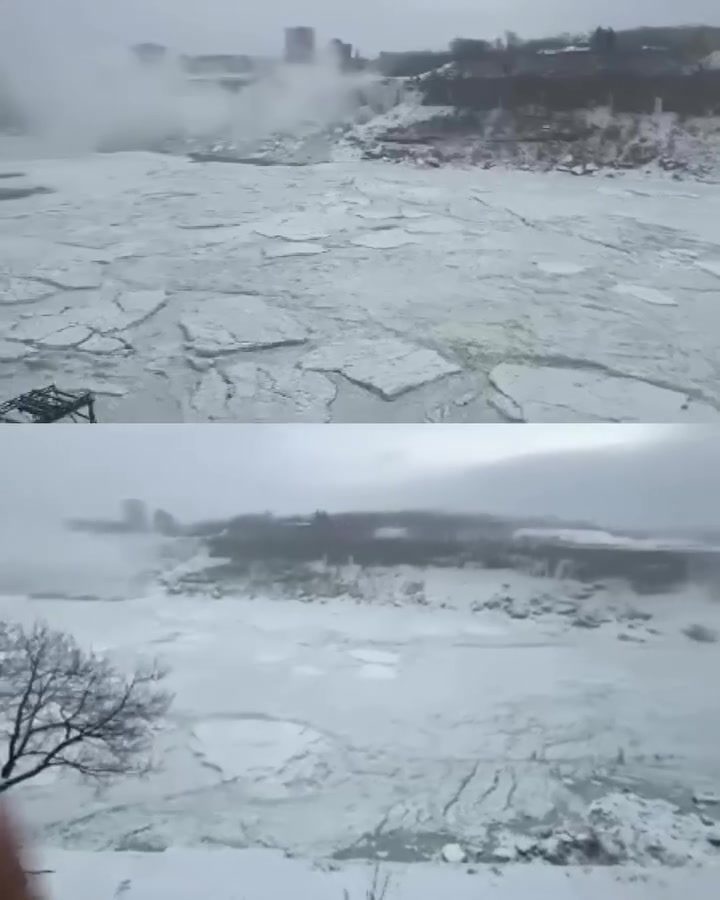
Niagara Falls in winter is a breathtaking sight, transforming the mighty waterfall into a frozen spectacle. During the colder months, the falls are often partially frozen, creating a unique and mesmerizing landscape. The ice formations are extensive, covering a large area and creating a stark contrast to the usual roaring waters. This natural phenomenon is a testament to the raw power and beauty of nature in a cold environment.
Why Does Niagara Falls Freeze?
The Science Behind the Freeze
Niagara Falls, located on the border of the United States and Canada, experiences extreme temperature fluctuations. When the temperature drops below freezing, the water from the falls begins to freeze, forming large chunks of ice. The mist and spray from the falls often freeze on impact, creating an icy mist that adds to the ethereal beauty of the scene.
The Impact of Ice on Niagara Falls
Changing Landscapes
The ice formations at Niagara Falls can change the landscape dramatically. The frozen water creates a mass of ice that can be seen from a distance, making it a popular destination for photographers and nature enthusiasts. The solidified water adds a layer of tranquility to the usually tumultuous falls, making it a serene spot amidst the cold winter months.
The Beauty of Niagara Falls in Winter
Captivating Images
The winter landscape of Niagara Falls is a sight to behold. The frozen water creates a surreal scene, with large chunks of ice and mist that add to the overall beauty. The icy mist and spray in the air create a dreamy effect, making it look like a frozen wonderland. The contrast between the frozen water and the surrounding greenery adds to the allure, making it a popular tourist destination during winter.
Practical Tips for Visiting Niagara Falls in Winter
What to Expect
Visiting Niagara Falls in winter requires some preparation. The weather can be extremely cold, so it's essential to dress warmly. Layering your clothing is a good idea, as it allows you to adjust to the changing temperatures. Be sure to wear waterproof boots and gloves, as the area around the falls can be slippery and wet.
Best Viewing Spots
There are several viewing spots around Niagara Falls that offer stunning views of the frozen spectacle. The Canadian side, known as the Table Rock Welcome Centre, provides excellent vantage points. Additionally, the Journey Behind the Falls offers a unique perspective from behind the cascading water, giving you a close-up view of the ice formations.
Important Takeaways
A Unique Experience
Visiting Niagara Falls in winter offers a unique experience that differs from the usual summer crowds. The tranquil atmosphere and stunning ice formations make it a must-see destination for nature lovers and photographers alike.
Safety First
It’s important to prioritize safety when visiting Niagara Falls in winter. The icy conditions can be slippery, and it’s essential to stay on marked paths and follow safety guidelines. Always check the weather forecast before your visit and dress appropriately for the cold temperatures.
Conclusion
Niagara Falls in winter is a breathtaking sight that showcases the raw power and beauty of nature. The frozen water and extensive ice formations create a surreal landscape that is both serene and captivating. Whether you’re a nature enthusiast or a photographer, visiting Niagara Falls in winter is an experience you won’t want to miss. With proper preparation and safety precautions, you can fully enjoy the frozen wonder of Niagara Falls.
Questions readers ask
How does Niagara Falls transform in winter?
During winter, Niagara Falls transforms into a frozen spectacle, with the mist and spray rapidly freezing. The falls form a layer of ice on the surrounding cliffs and rocks, creating a mesmerizing and tranquil landscape. The roaring waters are reduced to a trickling stream on the frozen cascade.
Can you walk on the frozen Niagara Falls?
Walking directly on the frozen Niagara Falls is not permitted due to safety reasons. However, visitors can enjoy the frozen landscape from various vantage points. It's advisable to go on a guided hike to stay safe and learn more about the winter transformation.
What is the best time to visit Niagara Falls in winter?
The best time to visit Niagara Falls in winter is from January to February. These months offer the best conditions for viewing the falls. During this period, the falls are often partially frozen, creating a unique and breathtaking landscape.
What are the best spots for winter photography at Niagara Falls?
Some of the best spots for winter photography at Niagara Falls include the observation decks over the falls, the Niagara Parkway for a panoramic view, and the frozen spray from the falls. The falls are often less crowded in winter, making it easier to capture stunning photographs.
Is there a chance to see Niagara Falls partially frozen?
Yes, during winter, Niagara Falls will partially freeze. The transformation depends on the severity of the cold weather. However, it is not guaranteed that the falls will be fully frozen. The falls are often covered in ice and mist, creating a unique and ethereal landscape.
How do the water flow conditions at Niagara Falls change in winter?
The water flow conditions at Niagara Falls typically reduce in winter, as the mist and spray from the falls begin to freeze. However, the flow is still impressive, making the sight of the falls even more unique and breathtaking.
Are there any guided hikes to explore Niagara Falls in winter?
Yes, there are guided hikes available for visitors who want to explore Niagara Falls in winter. These tours offer a safe and informative way to experience the winter wonderland. The guides provide insights into the natural phenomena and the history of the falls, enhancing the overall experience.
Related deep dives
Similar reads based on topic and creator.




Recent articles
Fresh deep dives from the latest Reels we unpacked.



Comments
Be the first to comment.