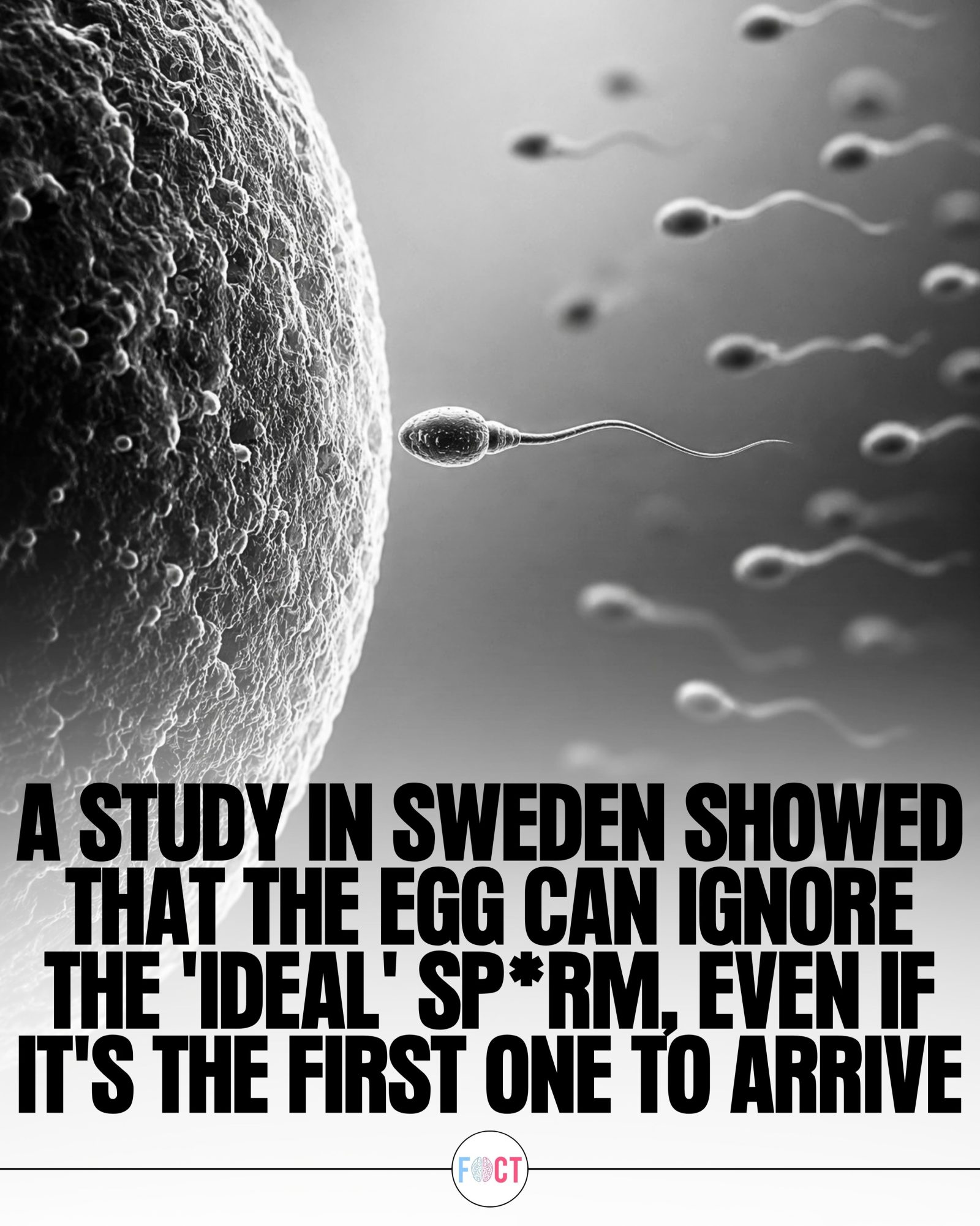
Sperm and Egg Interaction
The process of fertilization is more complex than the simple notion that the "best" or fastest sperm wins the race. Research from Stockholm University and the University of Manchester has shed new light on the dynamics between sperm and eggs, challenging the old belief that the first sperm to arrive has the highest chance of fertilizing the egg. This study highlights the active role of the egg in the fertilization process, which can be more selective and complex than previously thought.
Why This Matters
Understanding the intricacies of sperm and egg interaction is crucial for reproductive health and fertility treatments. The study reveals that the egg is not merely a passive participant in the fertilization process. Instead, it plays an active role in selecting the sperm, releasing chemical signals that guide the sperm towards it. This new perspective could revolutionize our approach to fertility treatments, offering a deeper understanding of the complex biological processes involved.
Main Discussion
The Active Role of the Egg
Researchers found that human eggs release chemical signals called chemoattractants. These signals attract sperm from some men more strongly than others. This means that the egg is not just passively waiting for the sperm to arrive. Instead, it actively guides which sperm gets the best chance of fertilization. This challenges the traditional view that the fastest or "best" sperm always wins.
Chemical Signals and Compatibility
The chemoattractants released by the egg do not always attract the sperm from the woman's chosen partner. This suggests that there is a biological compatibility factor that goes beyond romantic choice. The egg may have a preference for certain sperm that aligns with its chemical signals, even if it does not match the woman's partner.
Challenging Traditional Beliefs
The study from Stockholm University and the University of Manchester underscores the complexity of the fertilization process. The findings suggest that compatibility between the sperm and the egg may be more important than speed. This challenges the traditional belief that the first sperm to reach the egg is the one that fertilizes it. In reality, the egg can ignore even the "ideal" sperm if it does not match its chemical signals.
Biological Choices vs. Romantic Choices
One of the most intriguing findings of the study is the discrepancy between biological and romantic choices. While a woman may choose a partner based on various factors, the egg's chemical signals may attract sperm from a different individual. This does not mean that the egg consciously decides, but it highlights the biological processes at play. This finding has implications for fertility treatments, suggesting that compatibility is a crucial factor to consider.
Practical Tips
For individuals seeking fertility treatments, understanding the role of chemoattractants and compatibility can be beneficial. Here are some practical tips based on the study:
- Consider Genetic Compatibility: When seeking fertility treatments, consider the genetic compatibility between the sperm and the egg. This goes beyond the traditional sperm quality tests and focuses on the chemical signals released by the egg.
- Explore Advanced Fertility Treatments: Look into advanced fertility treatments that take into account the active role of the egg. These treatments may involve matching sperm and egg based on their chemical compatibility.
- Consult Specialists: Work with fertility specialists who understand the latest research on sperm and egg interaction. They can provide personalized advice and treatments based on the latest findings.
Important Takeaways
The study from Stockholm University and the University of Manchester provides valuable insights into the fertilization process:
- The egg is not a passive participant but actively guides which sperm gets the best chance of fertilization.
- The traditional belief that the fastest or "best" sperm always wins is not accurate.
- Compatibility between the sperm and the egg may be more important than speed.
- The egg's chemical signals can attract sperm from men other than the woman's chosen partner, highlighting a biological compatibility factor.
Conclusion
The study's findings challenge traditional beliefs about fertilization and highlight the active role of the egg. It provides a deeper understanding of reproductive biology, suggesting that compatibility may matter more than speed. This new perspective offers hope for improved fertility treatments, focusing on the complex biological processes at play. Understanding these dynamics can lead to more effective and personalized fertility treatments.
Questions readers ask
What is the new significant finding about the egg's role in fertilization?
The latest research from Stockholm University and the University of Manchester shows that the egg actively participates in fertilization, which was previously thought to be a passive process. The egg releases chemical signals to guide and select the sperm that will fertilize it, challenging the traditional belief that the fastest sperm has the highest chance of success.
How does the egg influence the fertilization process?
The egg releases chemical signals that guide and select the sperm. This means the egg is not a passive entity waiting for the fastest sperm but rather actively chooses the sperm it fertilizes, making the process more selective and complex.
What are the implications of this new research on reproductive health and fertility treatments?
Understanding the egg's active role in fertilization can significantly impact reproductive health and fertility treatments. It provides new insights that could lead to improved strategies for assisted reproduction, helping to enhance the chances of successful conception.
Why is the belief that the fastest sperm wins no longer considered accurate?
The belief that the fastest sperm wins is outdated because new research shows that the egg releases chemical signals to guide and choose the sperm. This means that other factors, such as the sperm's compatibility with the egg's chemical signals, play a crucial role in the fertilization process.
What is the significance of the study conducted by Stockholm University and the University of Manchester?
This study is significant because it challenges long-held beliefs about fertilization and highlights the egg's active and selective role. It provides valuable insights into the fertilization process, which can inform new approaches in fertility research and treatments.
What kind of chemical signals does the egg release to influence fertilization?
The specific chemical signals released by the egg are part of ongoing research. However, these signals are known to guide sperm toward the egg and play a role in the selection process, ensuring that only compatible sperm can fertilize the egg.
What are the practical applications of this research in fertility treatments?
The findings can lead to new strategies for enhancing fertility treatments. By understanding how the egg selects sperm, medical professionals can develop techniques to improve the chances of successful fertilization, potentially benefiting individuals and couples struggling with infertility.
Related deep dives
Similar reads based on topic and creator.


Recent articles
Fresh deep dives from the latest Reels we unpacked.




Comments
Be the first to comment.