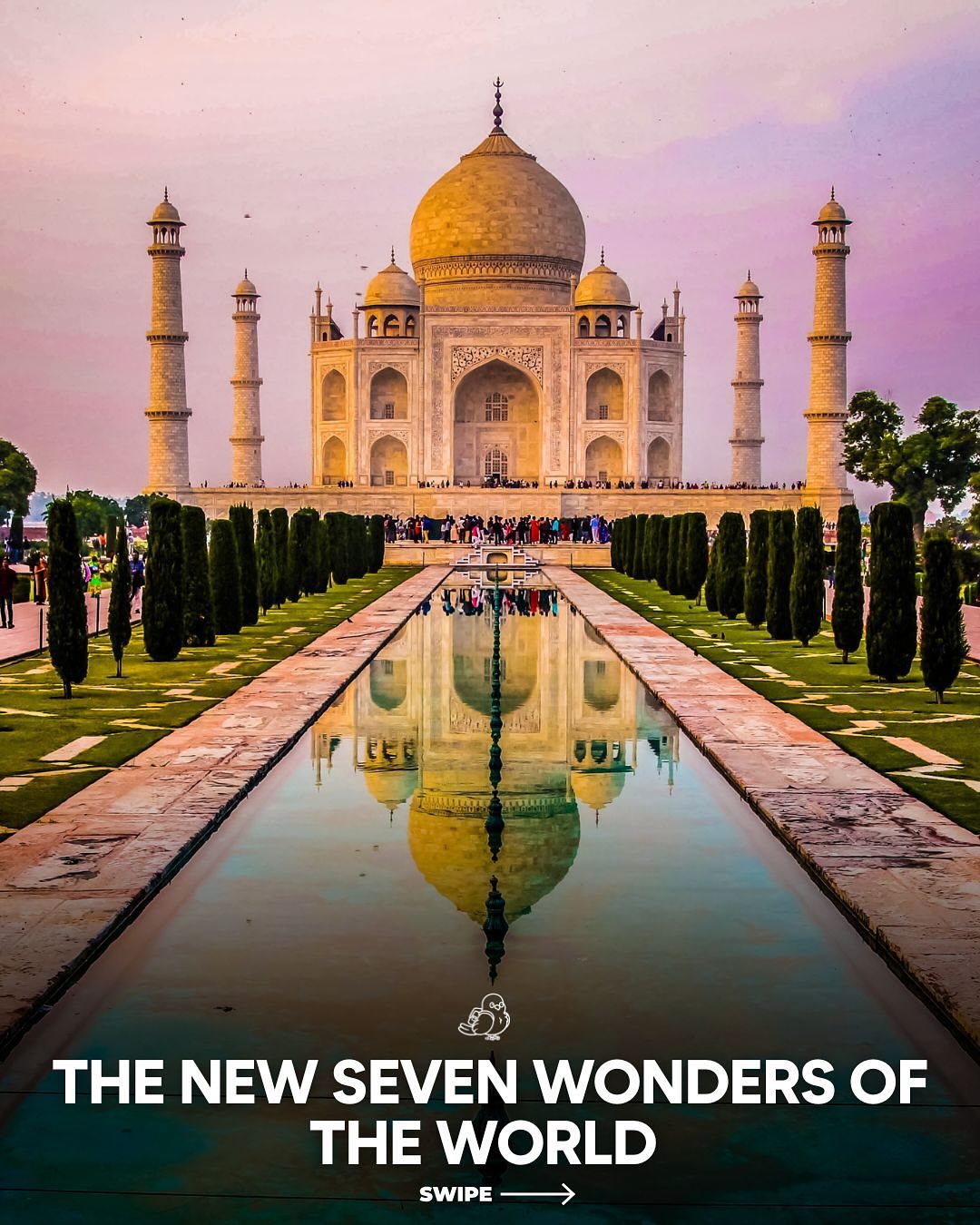
The New Seven Wonders of the World
From the majestic Great Wall of China to the enchanting Taj Mahal, the New Seven Wonders of the World are global icons recognized for their cultural, historical, and architectural significance. These magnificent marvels, chosen by over 100 million people in a global vote in 2007, represent the pinnacle of human achievement and imagination. Let's explore the wonders, their historical context, and what makes each one extraordinary.
Why This Matters
The New Seven Wonders of the World are more than just tourist attractions; they are living testaments to human history and ingenuity. Each wonder offers a unique journey through time, revealing the skills, beliefs, and aspirations of ancient civilizations. Understanding these landmarks provides insights into the world's diverse cultural heritage and the remarkable architectural and engineering feats that have stood the test of time.
Great Wall of China
The Great Wall of China is a testament to the engineering prowess of ancient China. Stretching over 13,000 miles, this legendary barrier was built across centuries to protect the country from invasions. Constructed during various dynasties, the wall's most well-known sections were built during the Ming Dynasty (1368–1644). Walking along the Great Wall feels like stepping back in time, with its towering walls and watchtowers offering panoramic views of the surrounding landscapes. The wall's sheer length and historical significance make it a must-visit for anyone interested in history and architecture.
Petra, Jordan
Carved into rose-red cliffs by the Nabataeans around 300 BCE, Petra is a city of breathtaking beauty and historical significance. Once a bustling trade center, Petra's architecture blends seamlessly with the natural landscape, creating a hauntingly beautiful archaeological wonder. The city's most famous landmark, Al-Khazneh (The Treasury), is renowned for its intricate facade and dramatic setting. The narrow Siq, a canyon leading to the city, adds to the mystique, revealing Petra's treasures one step at a time. Petra's unique design and historical context make it a UNESCO World Heritage Site and one of the New Seven Wonders of the World.
Christ the Redeemer, Brazil
Standing tall since 1931, Christ the Redeemer is an iconic statue in Rio de Janeiro, Brazil. This 98-foot statue of Jesus Christ, with arms outstretched, overlooks the city from atop Corcovado Mountain. Designed by French engineer Albert Caquot and French sculptor Paul Landowski, the statue is a symbol of peace and Brazil's most beloved cultural icon. The combination of its artistic and engineering achievements, along with its spiritual significance, makes Christ the Redeemer a must-visit destination for millions of travelers each year.
Machu Picchu, Peru
Hidden high in the Andes, Machu Picchu is an Incan citadel from the 1400s that remained untouched until 1911. This breathtaking blend of stonework and scenic beauty offers a glimpse into the advanced civilization of the Incas. The site's terraced fields, intricate stonework, and panoramic views of the surrounding mountains make it a marvel of engineering and design. Machu Picchu's remote location and the mystery surrounding its purpose add to its allure, attracting visitors from around the world.
Chichen Itza, Mexico
Chichen Itza is a powerful Mayan city in Mexico, renowned for its iconic pyramid, El Castillo. Built as a giant calendar, the pyramid aligns with celestial events, showcasing the Mayans' advanced knowledge of astronomy. During the equinox, a serpent-shaped shadow slithers down the pyramid's steps, a phenomenon known as the "Descent of the Serpent." The site's architectural marvels, including the Temple of Kukulkan and the Great Ball Court, provide a glimpse into the Mayan civilization's rich cultural heritage and engineering skills.
Roman Colosseum, Italy
The Roman Colosseum, built in 70 AD, is an ancient arena that once held 50,000 spectators for gladiator games and public spectacles. Located in the heart of Rome, this iconic landmark is a symbol of the Roman Empire's power and engineering prowess. The Colosseum's architectural design, with its intricate arches and vaulted ceilings, continues to inspire modern engineering. Despite the ravages of time, the Colosseum remains a testament to Rome's enduring legacy, attracting millions of visitors each year.
Taj Mahal, India
Completed in 1653, the Taj Mahal is an ivory-white mausoleum built by Emperor Shah Jahan in memory of his beloved wife, Mumtaz Mahal. This timeless tribute to love and symmetry is renowned for its intricate marble work, calligraphy, and inlaid precious stones. The Taj Mahal's symmetrical design and reflection in the surrounding water pool create a breathtaking visual experience. Its cultural and historical significance make it one of the most recognizable landmarks in the world.
Practical Tips
Visiting the New Seven Wonders of the World can be a life-changing experience, but planning is essential. Here are some practical tips to help you make the most of your journey:
Research and Planning
- Check Travel Advisories: Always check the latest travel advisories and safety information for each destination.
- Best Times to Visit: Research the best times to visit each wonder to avoid crowds and enjoy optimal weather conditions.
Great Wall of China
- Hiking Routes: Choose a well-marked and safe hiking route, such as the Mutianyu or Badaling sections, for a memorable experience.
- Guided Tours: Consider hiring a local guide to share insights into the wall's history and architecture.
Petra, Jordan
- Comfortable Footwear: Wear comfortable shoes suitable for walking on uneven terrain.
- Water and Snacks: Carry sufficient water and snacks, as the journey through the Siq can be strenuous.
Christ the Redeemer, Brazil
- Morning or Evening Visit: Plan your visit for early morning or late afternoon to avoid the midday heat and crowds.
- Transportation: Use reliable transportation options, such as the cable car, to reach the summit.
Machu Picchu, Peru
- Acclimatization: Allow time to acclimatize to the high altitude before exploring the site.
- Early Morning Arrival: Arrive early to beat the crowds and enjoy the serene beauty of the site.
Chichen Itza, Mexico
- Guided Tours: Join a guided tour to understand the historical and cultural significance of the site.
- Equinox Timing: If possible, plan your visit during the equinox to witness the serpent shadow phenomenon.
Roman Colosseum, Italy
- Skip-the-Line Tickets: Purchase skip-the-line tickets to save time and avoid long queues.
- Audio Guides: Use audio guides to gain deeper insights into the Colosseum's history and architecture.
Taj Mahal, India
- Sunrise or Sunset: Plan your visit during sunrise or sunset for a magical experience.
- Dress Code: Dress modestly and follow the dress code guidelines for visiting the monument.
Important Takeaways
The New Seven Wonders of the World offer a unique blend of history, architecture, and cultural significance. Each wonder is a testament to human achievement and the power of imagination. Whether you're a history buff, an architecture enthusiast, or a traveler seeking unique experiences, visiting these wonders is a journey through time and culture.
Conclusion
The New Seven Wonders of the World—Great Wall of China, Petra, Chichen Itza, Christ the Redeemer, Machu Picchu, Roman Colosseum, and the Taj Mahal—are more than just tourist destinations. They are living testaments to human history and ingenuity, offering a glimpse into the rich tapestry of our world's cultural heritage. Each wonder tells a unique story, showcasing the skills, beliefs, and aspirations of ancient civilizations. By visiting these marvels, we not only enrich our travel experiences but also deepen our understanding of the world's diverse cultural landscape.
Questions readers ask
How were the New Seven Wonders of the World chosen?
The New Seven Wonders of the World were selected through a global poll conducted in 2007, where over 100 million people participated by voting for their favorite landmarks. This democratic process aimed to highlight the most remarkable structures based on their cultural, historical, and architectural significance.
Which countries are home to the New Seven Wonders of the World?
The wonders span across five countries: China, India, Mexico, Peru, Brazil, and Jordan. Specifically, they are located in the following places: Great Wall of China (China), Petra (Jordan), Christ the Redeemer (Brazil), Machu Picchu (Peru), Chichen Itza (Mexico), the Roman Colosseum (Italy), and the Taj Mahal (India)
What is the historical significance of the Taj Mahal?
The Taj Mahal, located in Agra, India, was commissioned by Mughal emperor Shah Jahan in memory of his wife Mumtaz Mahal. Completed in 1653, it is renowned for its exquisite architecture and is a UNESCO World Heritage Site. It embodies the unique blend of Persian, Indian, and Islamic architectural styles.
What makes the Great Wall of China one of the wonders?
The Great Wall of China is a series of fortifications made of stone, brick, tamped earth, wood, and other materials, built along an east-to-west line across the historical northern borders of China to protect the Chinese states and empires from raids and invasions of the various nomadic groups.
What can visitors expect to see at Chichen Itza?
Chichen Itza, located in Mexico, is one of the most famous landmarks of the Mayan civilization. Visitors can explore ancient pyramids, temples, and other structures, including the iconic El Castillo pyramid. The site offers a fascinating glimpse into the Mayan culture and architectural prowess.
Why is the Christ the Redeemer statue a cultural icon?
Christ the Redeemer, an Art Deco-style statue of Jesus Christ in Rio de Janeiro, Brazil, is a symbol of the city and a global icon of Christianity. Standing at 38 meters tall, the statue is a remarkable feat of engineering and a testament to Brazil's rich religious and cultural heritage.
What is the significance of the Roman Colosseum in the list of wonders?
The Roman Colosseum, an oval-shaped amphitheater in Rome, Italy, is one of the most famous symbols of the Roman Empire and its engineering capabilities. Built between 70-80 AD, it has hosted gladiatorial contests, public spectacles, and dramas. It's the largest amphitheater ever built and is considered one of Rome's most famous attractions, drawing millions of visitors each year.
Related deep dives
Similar reads based on topic and creator.




Recent articles
Fresh deep dives from the latest Reels we unpacked.



Comments
Be the first to comment.