Comfort Food and Friendships
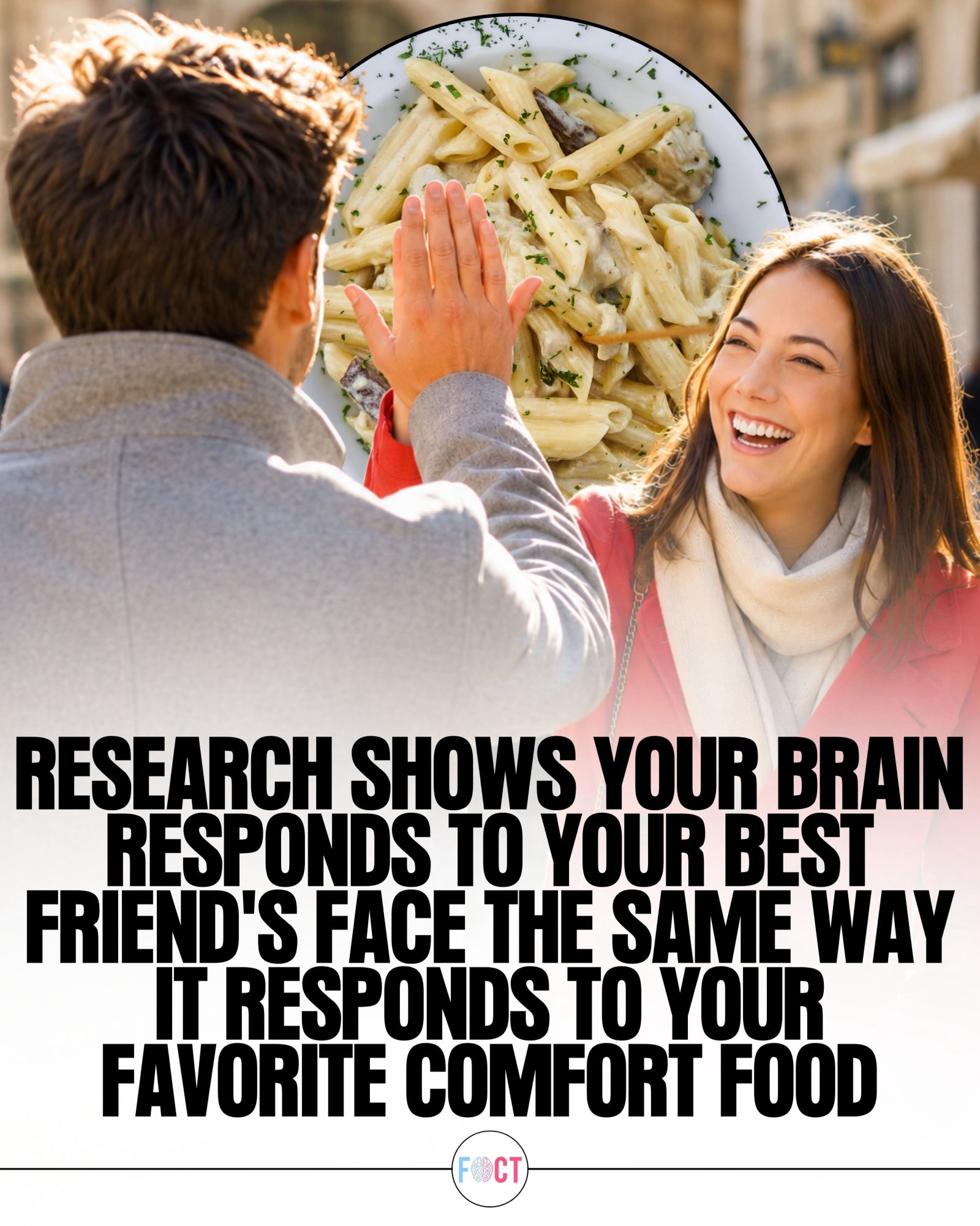
Food and friendship go together like a good pasta and a glass of wine. The connection we share with our favorite comfort foods is strong, but there's a fascinating twist: our brains can process close friends similarly. Let's explore this link and why it holds deep significance in our lives.
Why this matters
Understanding the neurological connection between comfort food and friends can enhance our appreciation for the simple joys in life. This connection also highlights the importance of nurturing strong social bonds, which have been vital to human survival and well-being.
The neurological link between comfort food and friendship
Brain responses to familiar faces and flavors
Our brains are wired to respond positively to familiar and comforting stimuli. When we see the face of a close friend, our brains activate regions associated with reward, pleasure, and emotional comfort. This response is remarkably similar to the one elicited by our favorite comfort foods. This neurological overlap suggests that our brains value social connections as much as they value the satisfaction derived from indulging in delicious meals.
The role of social bonds in human survival
Humans are social creatures, and our survival throughout history has been intrinsically linked to strong social bonds. Close friendships reduce stress, increase feelings of safety, and trigger the release of mood-enhancing chemicals like dopamine and oxytocin. These chemicals support our overall well-being, making the presence of trusted friends genuinely rewarding.
The science behind the connection
Research has shown that seeing the face of a close friend can activate the same neural pathways that respond to comfort food. This means that the enjoyment we get from a favorite meal is mirrored in the positive feelings we experience when interacting with our best friends. This neurological response is a testament to the deep-rooted importance of social connections in our lives.
Real-life examples
The comfort of a friend's presence
Imagine coming home after a long, stressful day. The sight of a warm, homemade meal can instantly make you feel better. Now, consider the effect of seeing a close friend's face after the same day. The comfort and relief you feel are likely to be just as strong. This is because your brain responds to the friend's face in the same way it responds to your favorite comfort food, releasing similar feelings of pleasure and reward.
The shared joy of a meal
Sharing a meal with a good friend can be one of life's simplest pleasures. The combination of tasty food and enjoyable company can create lasting memories. This experience underscores the dual comfort derived from both the meal and the friendship. The joy of a shared meal with a friend is a perfect blend of physical and emotional satisfaction.
The evolutionary perspective
The evolutionary perspective provides further insight into why this connection exists. Throughout human history, social bonds have been crucial for survival. From hunting and gathering to modern-day challenges, the support and companionship of close friends have always been valuable. This evolutionary advantage has shaped our brains to seek and value social connections, making them as comforting as our favorite foods.
Practical tips
Nurture your friendships
Just as you savor your favorite comfort foods, take the time to nurture your friendships. Regular check-ins, heartfelt conversations, and shared experiences can strengthen these bonds. Make an effort to be present for your friends and support them in their times of need. These actions will not only deepen your connections but also provide a source of comfort and well-being.
Incorporate shared meals
Sharing meals with friends is a wonderful way to combine both physical and emotional comfort. Whether it's a home-cooked meal or a dinner out, the act of breaking bread together can strengthen your bonds. Cooking together or planning a shared meal can also add a fun and engaging element to your friendship.
Reflect on the comforts in your life
Take a moment to reflect on the comforts in your life, both in terms of food and friendships. Acknowledge the positive emotions these bring and appreciate the neurological responses that make them so satisfying. This awareness can deepen your gratitude and enhance your overall well-being.
Important takeaways
The neurological connection between comfort food and close friendships highlights the profound impact of social bonds on our well-being. By recognizing and valuing this connection, we can enhance our appreciation for the simple joys in life. Whether it's the pleasure of a familiar face or the joy of a favorite meal, these comforts are deeply ingrained in our brains and play a crucial role in our emotional and physical well-being.
Conclusion
The link between comfort food and close friendships is a fascinating aspect of human nature. Understanding this connection allows us to savor the simple pleasures in life and appreciate the deep value of our social bonds. By nurturing these connections, we can enhance our well-being and create a more fulfilling life.
Questions readers ask
How does the brain respond to close friendships?
The brain responds to close friendships by activating reward and pleasure centers, similar to how it reacts to comfort food. This neurological response underscores the significance of friendships in our lives, highlighting how these connections are essential for our well-being and survival.
What is the connection between comfort food and friendships?
The brain treats close friends and comfort food similarly, activating the same pleasure and reward centers. This connection means that friendships can be as comforting and rewarding as our favorite foods, emphasizing the importance of nurturing social bonds.
Why are friendships crucial for human survival and well-being?
Friendships are crucial for human survival and well-being because they provide emotional support, reduce stress, and contribute to overall happiness. The neurological responses to friendships reinforce the idea that strong social bonds are vital for our mental and physical health.
How does the brain process close friendships?
The brain processes close friendships by releasing neurotransmitters like dopamine and oxytocin, which are associated with pleasure and trust. Similar to how the brain responds to comfort food, this process reinforces the positive feelings and emotional comfort we get from close friendships.
What role do reward centers play in friendships?
Reward centers in the brain play a significant role in friendships by activating in response to social interactions, especially with close friends. This activation contributes to the feelings of pleasure and satisfaction that come from strong social bonds, making friendships a key component of our overall happiness and well-being.
Why does the brain treat best friends like comfort food?
The brain treats best friends like comfort food because both activate similar reward and pleasure centers. This neurological similarity explains why we find comfort and happiness in the company of our best friends, much like we do with our favorite foods.
How can understanding the neuroscience of friendships improve our lives?
Understanding the neuroscience of friendships can improve our lives by encouraging us to nurture and prioritize our social bonds. Recognizing that friendships activate the same pleasure centers as comfort food can enhance our appreciation for these relationships and motivate us to invest more time and effort into maintaining them.
Related deep dives
Similar reads based on topic and creator.


Recent articles
Fresh deep dives from the latest Reels we unpacked.




Comments
Be the first to comment.