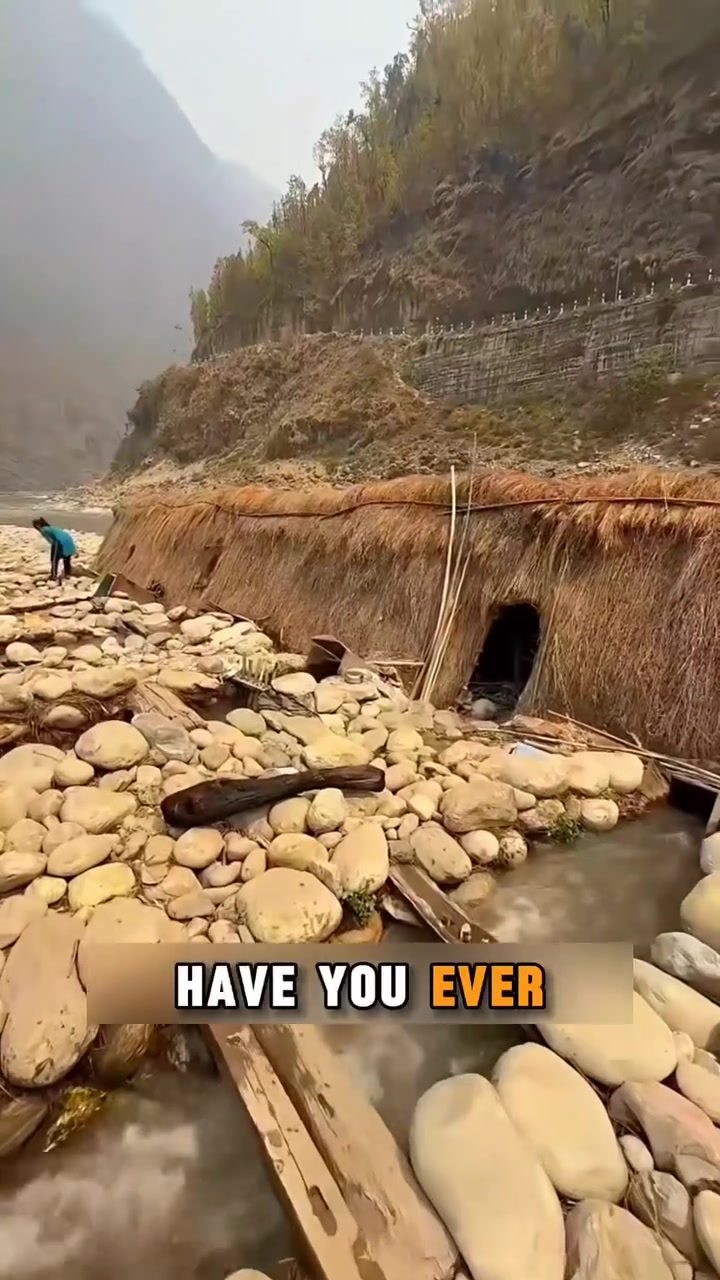
Flour Mills in Nepal: An Ancient Technology in Modern Times
The tradition of building flour mills in the middle of rivers in Nepal offers a fascinating look at how communities have harnessed natural resources for centuries. These traditional water mills, known locally as ghatis, are a testament to the ingenuity and resourcefulness of their creators. They have been in use for over a century and continue to serve as vital sources of flour in many remote mountain areas of Nepal.
Context: The Relevance of Traditional Flour Mills in Nepal
Nepal's geography is dominated by rugged terrain and remote mountain villages, many of which lack reliable electricity. Flour mills in these regions are not mere remnants of the past; they are essential tools for daily life. Water mills provide a sustainable and eco-friendly solution to the challenge of grinding grains into flour, making them invaluable in areas where modern machinery is impractical or unavailable.
The Mechanics of Traditional Water Mills
The design of these mills is both simple and effective. Water is channeled through a narrow passage to increase its speed and force. This fast-moving water strikes a water wheel, causing it to rotate. The wheel is connected to a large millstone above, which turns and grinds the grains into fine flour. This mechanical system converts the kinetic energy of the flowing water into mechanical energy, powering the flour mill with minimal human intervention.
Water as the Power Source
The primary power source for these mills is the river itself. By harnessing the natural flow of water, these mills operate without requiring any external energy input. This makes them highly sustainable and efficient, especially in areas where access to electricity is limited or non-existent.
The Grinding Process
The grinding stones are a critical component of the mill. Typically, these stones are large and made of durable materials like granite. The slow and steady grinding process generates very little heat, which is beneficial for preserving the nutrients and natural flavors of the grains. This is why flour produced by these mills is highly valued by locals and is widely used in traditional Nepali cuisine.
The Cultural Significance of Traditional Flour Mills
Preservation of Nutrients and Flavor
One of the most notable benefits of using traditional water mills is the preservation of nutrients and natural flavors in the flour. The slow, low-heat grinding process ensures that the grains are not over-heated, which can degrade their nutritional content and alter their taste. This aspect makes the flour from these mills highly desirable for traditional cooking.
Community and Tradition
Beyond their practical uses, these mills also hold significant cultural and community importance. Many families in Nepal have been using the same water mills for generations. These mills are not just tools; they are symbols of continuity and tradition. They bring communities together, fostering a sense of shared heritage and collective effort.
Economic Value
In some regions, these mills serve as small-scale industries, providing income for local families. The flour produced is often sold in local markets, contributing to the local economy. This economic value adds to the mills' significance and ensures their continued use and maintenance.
Practical Tips for Maintaining Traditional Flour Mills
While traditional water mills are robust and durable, proper maintenance is crucial for their longevity. Here are some practical tips for maintaining these mills:
Regular Cleaning and Inspection
Regular cleaning and inspection of the mill's components are essential. The grinding stones, water channels, and wheels should be checked for any signs of wear and tear. Regular maintenance prevents minor issues from becoming major problems.
Water Management
Ensuring a consistent water supply is vital for the mill's operation. The water channels should be free from debris and obstructions to maintain the flow. Regularly cleaning the channels can help prevent blockages and ensure smooth operation.
Community Involvement
Community involvement is key to the sustainability of these mills. Encouraging local participation in maintenance and operation can ensure that the mill remains a community resource. This collective effort spreads the workload and ensures that the mill continues to serve its purpose effectively.
Important Takeaways
Traditional flour mills in Nepal are more than just old technology; they are a testament to human ingenuity and adaptability. These mills serve as natural flour factories, providing a sustainable and eco-friendly solution for grinding grains. The slow, low-heat grinding process preserves the nutrients and natural flavors of the flour, making it a valuable commodity.
Conclusion
The tradition of building flour mills in the middle of rivers in Nepal is a remarkable example of how communities have adapted to their environment. These mills are not just relics of the past; they are essential tools that continue to play a crucial role in daily life. Their sustainability, efficiency, and cultural significance make them a vital part of Nepal's heritage and a symbol of human resourcefulness. Understanding the mechanics and cultural importance of these mills offers a deeper appreciation for traditional technologies and their enduring relevance.
Related deep dives
Similar reads based on topic and creator.




Recent articles
Fresh deep dives from the latest Reels we unpacked.




Comments
Be the first to comment.