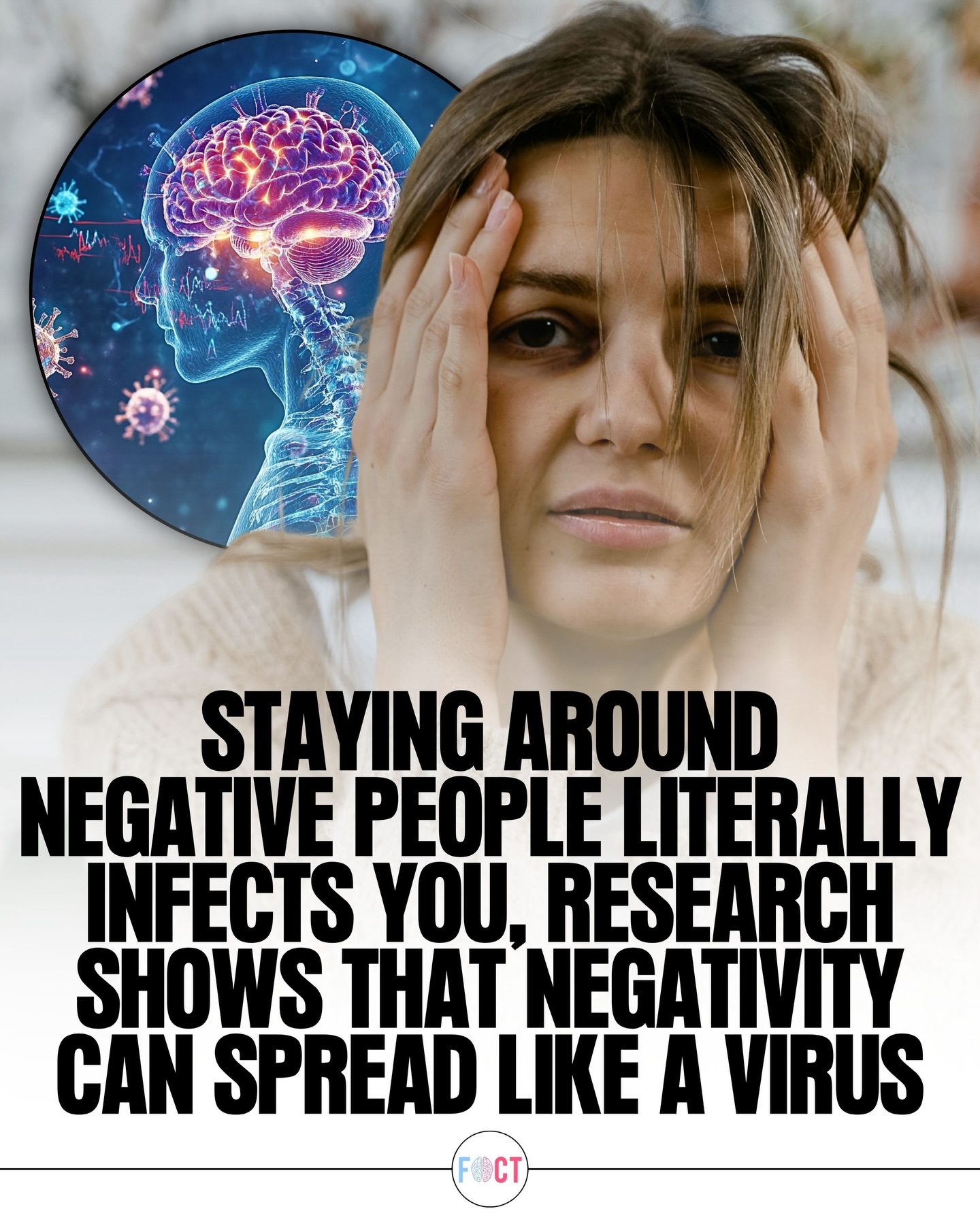
Negativity and Mental Health
Negativity has a profound impact on mental health, and it's crucial to understand how it affects you. Research has shown that negativity can spread like a virus, influencing your thoughts and emotions in ways you might not realize. This is why being mindful of your environment and the people you surround yourself with is so important.
Why This Matters
Your mental health is influenced by more than just your own thoughts and actions; it's also deeply affected by the people around you. The concept of "emotional contagion" explains how emotions can spread from one person to another. This means that if you spend a lot of time around negative people, their negativity can rub off on you, altering your neural patterns and even your hormones. Understanding this dynamic can help you make better choices about who you spend your time with and how you manage your environment.
The Science Behind Negativity
Emotional Contagion
Emotional contagion is a well-documented psychological phenomenon. It refers to the tendency of one person's emotions to trigger similar emotions in others. When you are around people who are constantly complaining, stressed, or pessimistic, your brain starts to mirror their neural patterns. Over time, this can lead to increased levels of cortisol, the stress hormone, and a general dip in your mood. Essentially, negativity can become a self-reinforcing cycle.
The Impact of Cortisol
Cortisol, often referred to as the "stress hormone," plays a significant role in how your body responds to stress. Elevated cortisol levels can lead to a range of health issues, including anxiety, depression, and even weakened immune function. High cortisol levels can also affect your sleep patterns, appetite, and overall energy levels, making it harder to cope with everyday challenges.
The Role of Environment
Shaping Your Mindset
The environment you surround yourself with can either uplift or drag down your mental state. Spending a lot of time in negative environments can make negativity feel normal, leading to a shift in your outlook and overall mood. This is why it's essential to be conscious of the energy you're exposed to, whether it comes from your social circle, workplace, or even media consumption.
Energy Spreads Through Behavior and Emotion
Energy is contagious, and it spreads through behavior, tone, and emotion. If you're constantly exposed to negative energy, your brain starts to treat it as the norm, making it harder for you to perceive and appreciate positivity. This is why it's crucial to foster a positive and supportive environment, whether it's through choosing your friends carefully, seeking out positive media, or creating a positive workspace.
Practical Tips on Managing Negativity
Mindful Surroundings
Surround yourself with positive and supportive people. Seek out those who uplift you and avoid those who constantly bring you down. This doesn't mean you should cut off all negative people from your life, but rather be mindful of the amount of time and energy you invest in such relationships.
Set Boundaries
Learn to set boundaries. It's okay to distance yourself from people or situations that bring constant negativity into your life. Setting boundaries can help protect your mental health and ensure that you're not constantly exposed to negativity.
Important Takeaways
Negativity can have a significant impact on your mental health, affecting your thoughts, emotions, and overall well-being. The brain is wired to mirror the emotions of those around you, and constant exposure to negativity can lead to increased cortisol levels, a dip in mood, and a shift in your outlook. Surrounding yourself with positive and supportive people is essential to maintaining good mental health.
Conclusion
Understanding the impact of negativity on mental health is the first step in taking control of your emotional well-being. By being mindful of the people and environments you expose yourself to, you can create a more positive and supportive atmosphere. This can help you maintain a healthier mindset and better cope with life's challenges.
Questions readers ask
How does negativity spread among people?
Negativity spreads through a process called emotional contagion, where one person's emotions can directly influence the emotions of others. This can happen through verbal and non-verbal cues, making it easy for negativity to spread in relationships and the workplace. Research shows that negative emotions can alter neural patterns and hormones, making it crucial to be mindful of the people you spend time with.
What are the effects of negative people on your mental health?
Spending a lot of time around negative people can have a significant impact on your mental health. Their negativity can influence your thoughts and emotions, potentially leading to increased stress, anxiety, and even depression. This is because your brain can mirror the neural patterns of those around you, making it difficult to maintain a positive outlook when surrounded by negativity.
How can negativity alter your brain and hormones?
Negativity can alter your brain and hormones by triggering the release of stress hormones, such as cortisol. This can lead to changes in your neural patterns, making it easier for negative thoughts and emotions to take hold. Over time, this can have a profound impact on your mental health, making it more difficult to manage stress and maintain a positive outlook.
What is the role of mindfulness in dealing with negativity?
Mindfulness plays a key role in dealing with negativity, as it helps you to become more aware of your thoughts and emotions. By practicing mindfulness, you can learn to recognize when negativity is influencing you and take steps to protect your mental health. This might include setting boundaries with negative people, focusing on positive aspects of your life, and practicing self-care.
What are some ways to stop the spread of negativity in the workplace?
To stop the spread of negativity in the workplace, it's important to foster a positive environment. Encourage open communication, promote a healthy work-life balance, and lead by example by maintaining a positive attitude. You can also practice setting boundaries with negative coworkers and seek support from positive influences in your workplace.
Can negativity be contagious in relationships?
Yes, negativity can be contagious in relationships due to emotional contagion. When you spend a lot of time with someone who is negative, their emotions can rub off on you, influencing your thoughts and feelings. This is why it's important to be mindful of the people you choose to surround yourself with and set boundaries when necessary to protect your mental well-being.
What steps can you take to stay positive around negativity?
To stay positive around negativity, focus on your own thoughts and emotions, and practice gratitude and mindfulness. Surround yourself with positive people, engage in activities that bring you joy, and set boundaries with those who consistently spread negativity. It's also helpful to engage in self-care and seek support from friends, family, or a mental health professional when needed.
Recent articles
Fresh deep dives from the latest Reels we unpacked.




Comments
Be the first to comment.