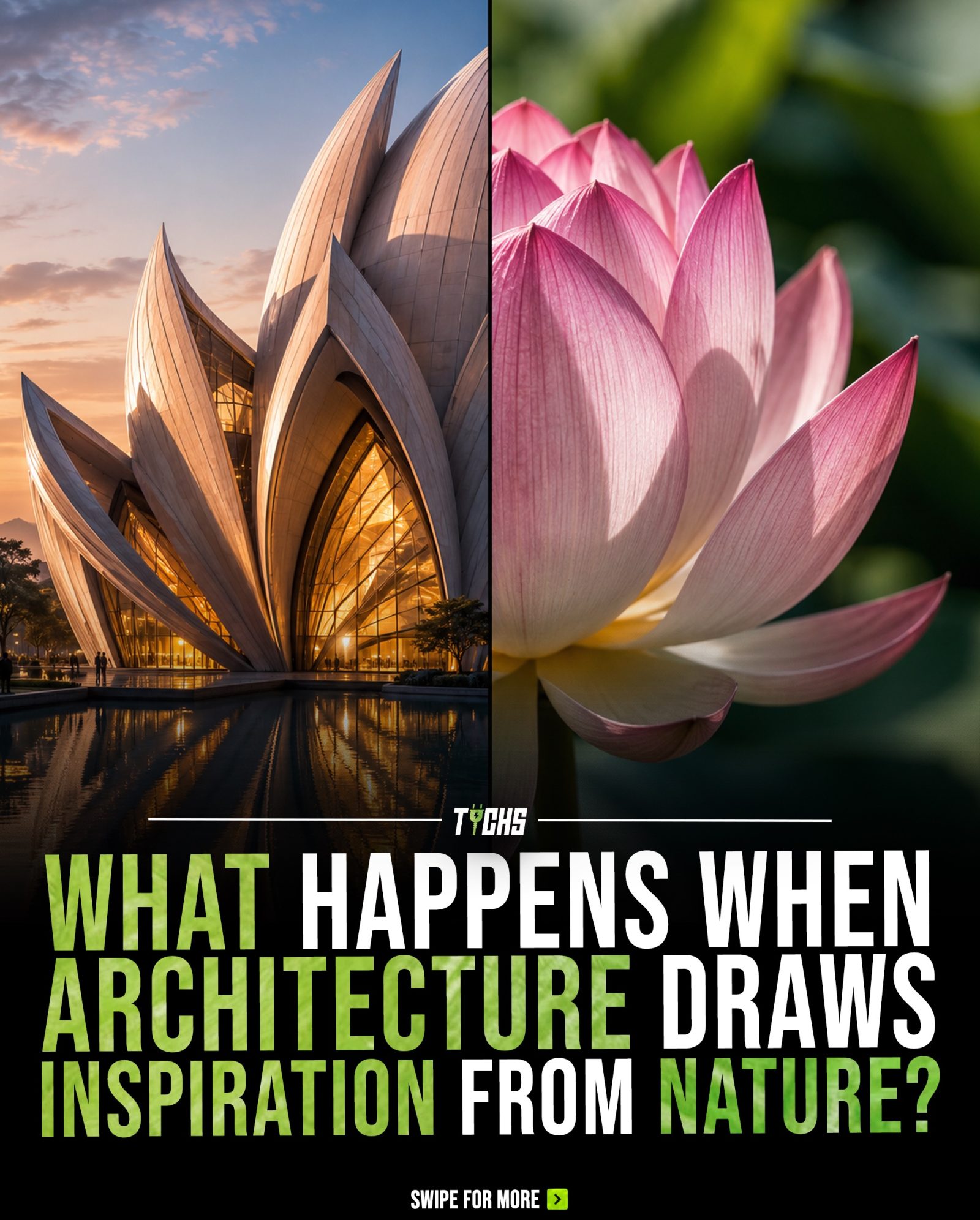
Architecture Inspired by Nature
Architecture inspired by nature translates organic forms into striking structures, seamlessly connecting design with the natural world. This approach transforms elements like petals, shells, birds, waves, cones, and bubbles into iconic buildings that serve both aesthetic and functional purposes. Buildings like the Lotus Temple, spiral staircases, and Beijing Daxing Airport exemplify how natural forms can inform structure, geometry, movement, shading, and visual identity.
Context: Why This Matters
Nature has long been a muse for architects, offering timeless design solutions. By mimicking natural structures, architects can create buildings that are not only visually stunning but also environmentally efficient. This convergence of nature and design is increasingly important in today's world, where sustainable and harmonious living spaces are in high demand. Understanding how natural forms influence architectural design can provide valuable insights into creating structures that are not only beautiful but also functional and eco-friendly.
Main Discussion
Natural Forms in Architecture
Many landmark buildings draw inspiration from natural forms. The Lotus Temple in New Delhi, designed by Iranian architect Fariborz Sahba, is a quintessential example. The temple's 27 free-standing marble cladding "petals" are arranged in clusters to create nine sides, with nine doors and 27 windows, echoing the lotus flower's purity and beauty. This design not only creates a visually stunning structure but also optimizes natural light and ventilation, providing a peaceful, meditative space.
Another notable example is the Beijing Daxing International Airport, designed by Zaha Hadid Architects. The airport's roof, which mimics the form of a starfish, spans over 700,000 square feet, making it one of the most expansive airport roofs in the world. The roof's design optimizes natural light, reduces energy consumption, and ensures efficient water management, showcasing how natural forms can be integrated into modern infrastructure.
Spiral staircases, often found in historic buildings, follow the nautilus shell curve. This design provides a sense of continuous movement and is inherently stable, creating a visually appealing and functional element. The nautilus spiral also influences the design of buildings like the Guggenheim Museum in New York, where the spiral structure allows visitors to ascend through a continuous ramp, providing unobstructed views of the exhibits.
Bird-Inspired Architecture
Birds have inspired some of the most iconic architectural designs. The Manta Ray House in Bali, designed by John Hearfield of IBUKU, is a striking example. The house mimics the shape and form of a manta ray, incorporating curved, organic lines that blend seamlessly with the natural landscape. The design maximizes natural ventilation and light, creating a comfortable and energy-efficient living space.
The Sydney Opera House, designed by Danish architect Jørn Utzon, is another masterpiece inspired by birds. Its iconic shell-like design, inspired by the sails of a ship and the wings of a bird, has become a global icon of modern architecture. The design not only creates a visually stunning structure but also optimizes the building's acoustic properties, making it one of the world's premier performance venues.
Other Natural Influences
Shells and cones also serve as significant sources of inspiration. The Bird’s Nest stadium in Beijing, designed for the 2008 Olympic Games, is a prime example. The stadium's lattice shell structure, inspired by a bird's nest, creates a visually striking and highly functional space that provides excellent acoustics and ventilation. The design also uses a sustainable, eco-friendly approach, incorporating sustainable materials and energy-efficient systems.
The Esplanade in Singapore, designed by DP Architects in collaboration with architects Craig Ellwood and Michael Wilford, is another notable example. The complex's shell-like design, inspired by the durian fruit, creates a visually stunning and functional space for performing arts. The design also incorporates sustainable features, such as natural ventilation and solar panels, making it an eco-friendly architectural marvel.
The Eden Project in Cornwall, UK, is a breathtaking example of architecture inspired by the natural world. The project features two giant greenhouses, each housing different biomes, and the entire structure is designed to mimic the appearance of giant seed pods. The design incorporates innovative construction techniques and sustainable materials, showcasing how nature can inspire both form and function.
Practical Tips
Incorporating Natural Elements
When designing a building, look to nature for inspiration. Natural forms can provide unique design solutions that are both visually appealing and functional. Consider the following tips:
- Study Natural Structures: Observe how natural structures like shells, cones, and bird forms are built. Pay attention to their shapes, patterns, and functions.
- Optimize Natural Light and Ventilation: Use natural forms to optimize natural light and ventilation in your design. This can help reduce energy consumption and create a comfortable living space.
- Use Sustainable Materials: Incorporate sustainable materials and eco-friendly construction techniques in your design. This can help minimize the building's environmental impact.
Important Takeaways
- Natural forms can inspire architectural designs that are both visually stunning and functional.
- Buildings like the Lotus Temple, Beijing Daxing Airport, and the Sydney Opera House exemplify how natural forms can influence structure, geometry, movement, shading, and visual identity.
- Incorporating natural elements in architecture can help create sustainable and eco-friendly living spaces.
Conclusion
Architecture inspired by nature offers a unique approach to design, translating natural forms into iconic buildings that blend seamlessly with the environment. By studying natural structures, optimizing natural light and ventilation, and using sustainable materials, architects can create buildings that are not only beautiful but also functional and eco-friendly. The Lotus Temple, Beijing Daxing Airport, and the Sydney Opera House are just a few examples of how natural forms can inspire striking and innovative architectural designs.
Questions readers ask
What are some prominent examples of nature-inspired architecture around the world?
Some of the world's most notable examples include the Lotus Temple in New Delhi, India, which mimics the shape of a lotus flower, and the Beijing National Stadium, also known as the Bird's Nest, in Beijing, China, which is inspired by the interlocking branches of a bird's nest. Another remarkable example is the spiral staircase at the Guggenheim Museum in New York, designed by Frank Lloyd Wright.
What are the benefits of incorporating organic shapes into architecture?
Incorporating organic shapes into architecture not only enhances the visual appeal of structures but also improves their functionality. These designs can optimize natural light, ventilation, and energy efficiency. They also create a sense of harmony with the surrounding environment, promoting well-being and sustainability.
What is a biophilic architecture example?
A prominent example is the Amazon Spheres in Seattle, Washington. These glass domes are designed to mimic natural ecosystems and house thousands of plants, providing a serene and productive environment for employees. Another example is the California Academy of Sciences in San Francisco, which features a living roof covered in native plants.
What are the sustainable architectural forms that nature-inspired architecture can help with?
Nature-inspired architecture can help create sustainable architectural forms by mimicking natural structures that are energy-efficient and environmentally friendly. For instance, the Eastgate Centre in Harare, Zimbabwe, is modeled after termite mounds, using natural ventilation and temperature regulation to reduce energy consumption. Similarly, the Lotus Temple uses its petal-like design to optimize shading and natural light.
How does nature-inspired architecture connect humans to the natural world?
By integrating natural shapes and forms, these designs create spaces that evoke a sense of tranquility and connection to the environment. This can lead to improved mental health, productivity, and overall well-being. Elements like water features, green walls, and natural light mimic the natural world, fostering a deeper appreciation for nature within urban settings.
What is the role of natural shapes in architecture?
Natural shapes in architecture serve both aesthetic and functional purposes. They can enhance the beauty of a structure while also improving its performance. For example, the spiral shape of a seashell can inspire a staircase design that is not only visually appealing but also efficient in terms of space and movement.
What are the key features of biophilic design examples?
Biophilic design examples often include features such as greenery, natural light, water elements, and organic shapes. These designs aim to create environments that support human health and well-being by mimicking natural settings. Examples include indoor gardens, living walls, and buildings with extensive greenery on rooftops or facades.
Related deep dives
Similar reads based on topic and creator.
Recent articles
Fresh deep dives from the latest Reels we unpacked.




Comments
Be the first to comment.