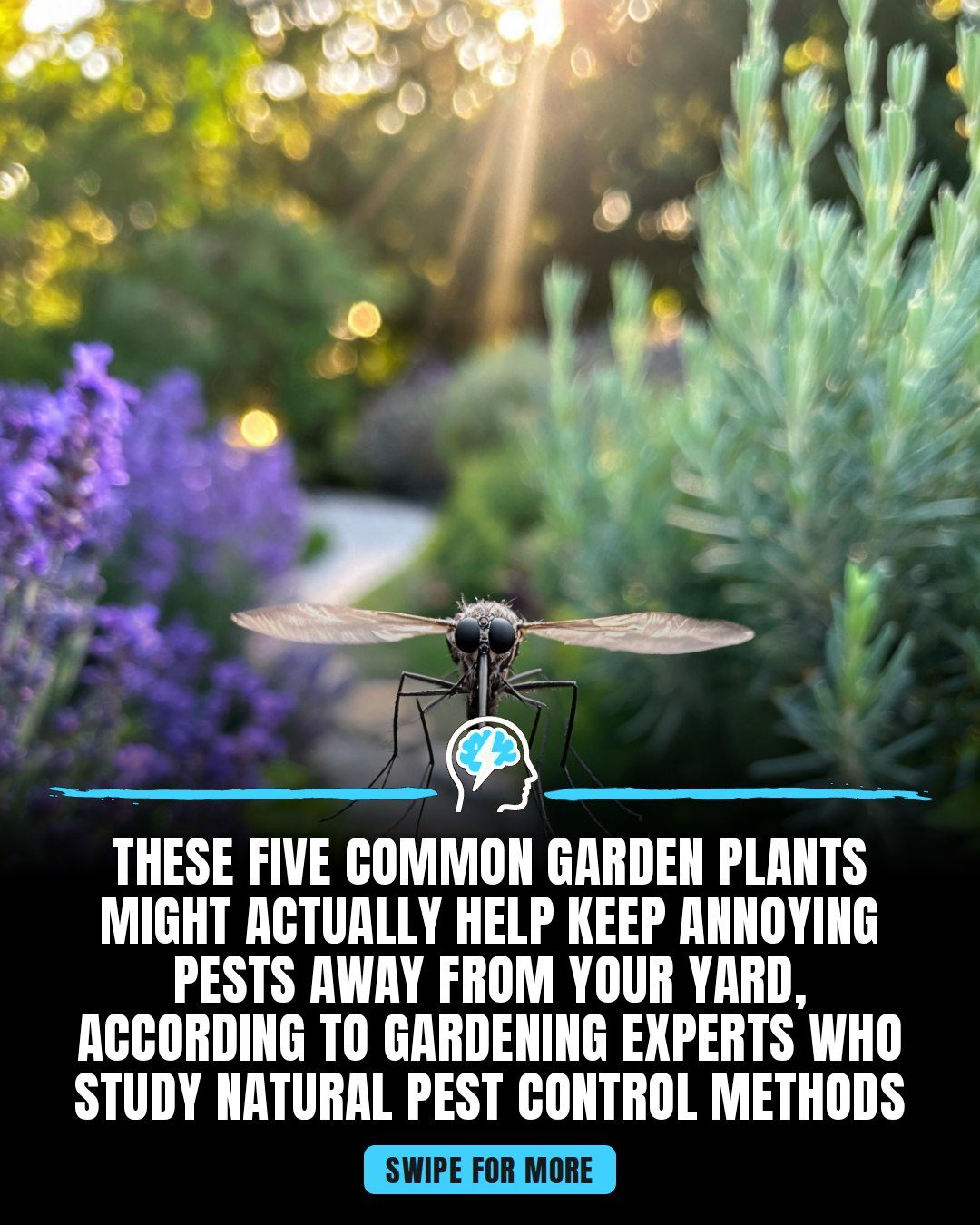
Natural Pest Control with Plants
Gardening offers numerous rewards, but dealing with pests can be a challenge. Fortunately, many herbs and flowers possess natural pest-repelling properties, allowing you to create a beautiful, fragrant garden while keeping pests at bay. By strategically placing these plants, you can enhance your garden's aesthetics and functionality.
Why This Matters
Natural pest control methods are gaining traction among gardeners who prefer to avoid harsh chemicals. These methods not only reduce environmental impact but also contribute to a healthier ecosystem. By using plants that naturally deter pests, you can create a more sustainable and eco-friendly garden.
Main Discussion
The Power of Fragrance
Many pests rely on their sense of smell to locate their targets. Plants with strong scents can disrupt this process, making it difficult for pests to find their way to your garden. Here’s how some popular plants work:
Basil
Basil is a common kitchen herb with a strong, aromatic scent. Its essential oils are highly effective in repelling mosquitoes and houseflies. Planting basil near patios and outdoor seating areas can help keep these pests away, making your outdoor spaces more enjoyable.
Rosemary
Rosemary’s woody, pungent scent is known to deter flies and beetles. It’s a versatile herb that can be used in various dishes, making it a practical addition to any garden. The scent of rosemary can cover up the smells that flies and beetles use to find their preferred habitats.
Mint
Mint is not only refreshing but also a powerful pest deterrent. Its strong aroma repels ants and discourages spiders, especially around foundations and entry points. By planting mint, you can create a natural barrier that keeps these pests away from your home and garden.
Lemongrass
Lemongrass contains natural citronella, a substance commonly found in insect repellents. Its strong, citrusy scent confuses mosquitoes, making it a great plant to have around outdoor areas. Plus, it adds a vibrant, tropical feel to your garden.
Lavender
Lavender is renowned for its soothing and pleasant aroma, which is highly effective in repelling moths, fleas, and flies. Its fragrant flowers and leaves can create a beautiful and functional addition to your garden, offering both visual appeal and pest control benefits.
Planting Tips for Maximum Effect
To maximize the pest-repelling benefits of these plants, consider the following tips:
Plant in Clusters
Grouping plants together can enhance their fragrant impact. A dense patch of basil, rosemary, or mint can significantly reduce the appeal of your garden to pests by overwhelming their senses with strong scents.
Bruising and Brush Leaves
The essential oils in these plants are most effective when released. You can bruise or brush the leaves to release more of these oils, intensifying their pest-deterring properties. This is especially useful in high-pest areas.
Strategic Placement
Place these plants in areas where pests are most likely to congregate or enter your garden. For example, rosemary and lavender near patios and seating areas, while mint and lemongrass around the perimeter of your garden can be particularly effective.
Companion Planting
While these plants are excellent for natural pest control, they are best used as companions to other pest management strategies. They should not be the sole method of pest control but rather a complementary technique.
Additional Benefits
These five plants offer more than just pest control. They also attract beneficial insects like bees and butterflies, promoting a healthier and more diverse ecosystem in your garden. Additionally, they provide fresh herbs for cooking, adding a culinary bonus to your gardening efforts.
Practical Tips
- Know Your Pests: Understand which pests are most problematic in your garden. This can help you choose the right plants to target those specific pests.
- Mix and Match: Combine different pest-repelling plants to create a diverse and visually appealing garden.
- Regular Maintenance: Keep your plants healthy by pruning and watering them regularly. Healthy plants are more effective at repelling pests.
- Combine with Other Methods: Use these plants as part of a broader pest management strategy, including regular garden maintenance, clearing standing water, and using organic fertilizers.
Important Takeaways
- Natural Deterrents: The essential oils in plants like basil, rosemary, mint, lemongrass, and lavender can act as natural deterrents to various pests.
- Strategic Placement: Planting these herbs and flowers in strategic locations can maximize their pest-repelling effects.
- Companion Planting: These plants are best used as companions to other pest management strategies, not as the sole method of control.
- Dual Benefits: In addition to pest control, these plants also attract beneficial insects and provide fresh herbs for cooking.
Conclusion
Using natural methods to control pests in your garden can create a healthier, more sustainable, and visually appealing outdoor space. By planting herbs and flowers known for their pest-repelling properties, you can enhance the beauty of your garden while keeping pests at bay. Whether you choose basil, rosemary, mint, lemongrass, or lavender, these plants offer a practical and fragrant solution to common pest problems. Pair them with other pest management strategies for the best results, and enjoy the fresh scents, vibrant colors, and natural benefits they bring to your garden.
Questions readers ask
What are some of the best natural pest repellent plants for a chemical-free garden?
Some of the top natural pest repellent plants include basil, rosemary, lavender, mint, and marigolds. These plants contain natural compounds that deter various pests, making them excellent choices for a chemical-free garden.
How can I use basil as a pest repellent in my garden?
Basil is effective in repelling flies and mosquitoes. To use it as a pest repellent, plant basil near doors, windows, or in pots around seating areas. Its strong aroma will help keep pests away.
Can lavender help with pest control in my garden?
Yes, lavender is a powerful natural pest repellent. Its scent deters pests like moths, fleas, and mosquitoes. Plant lavender near pathways or in pots around your garden to enjoy its fragrance and pest-repelling benefits.
What are the benefits of using rosemary for pest control?
Rosemary is effective against pests like cabbage moths, beans beetles, and carrot flies. It also attracts beneficial insects like bees and butterflies. Plant rosemary near vulnerable plants or in borders to create a natural barrier.
How can mint be used to repel pests in a garden?
Mint is excellent for repelling ants, aphids, and rodents. To use mint for pest control, plant it in pots or in the ground in areas where pests are a problem. Ensure it's contained, as mint can be invasive. Its strong scent will help deter pests.
Are there any flowers that can naturally repel pests?
Yes, flowers such as marigolds, chrysanthemums, and nasturtiums are great for natural pest repellent. Marigolds deter nematodes and other pests, while chrysanthemums repel roaches, ants, ticks, and fleas, and nasturtiums repel aphids, whiteflies, and various beetles.
How can I strategically place these plants for maximum pest control benefit?
To maximize pest control benefits, place repellent plants near vulnerable plants, around the perimeter of your garden, or in pots near entry points. This strategic placement enhances the plants' deterrent effects and creates a fragrant, pest-resistant environment.
Related deep dives
Similar reads based on topic and creator.

Recent articles
Fresh deep dives from the latest Reels we unpacked.




Comments
Be the first to comment.