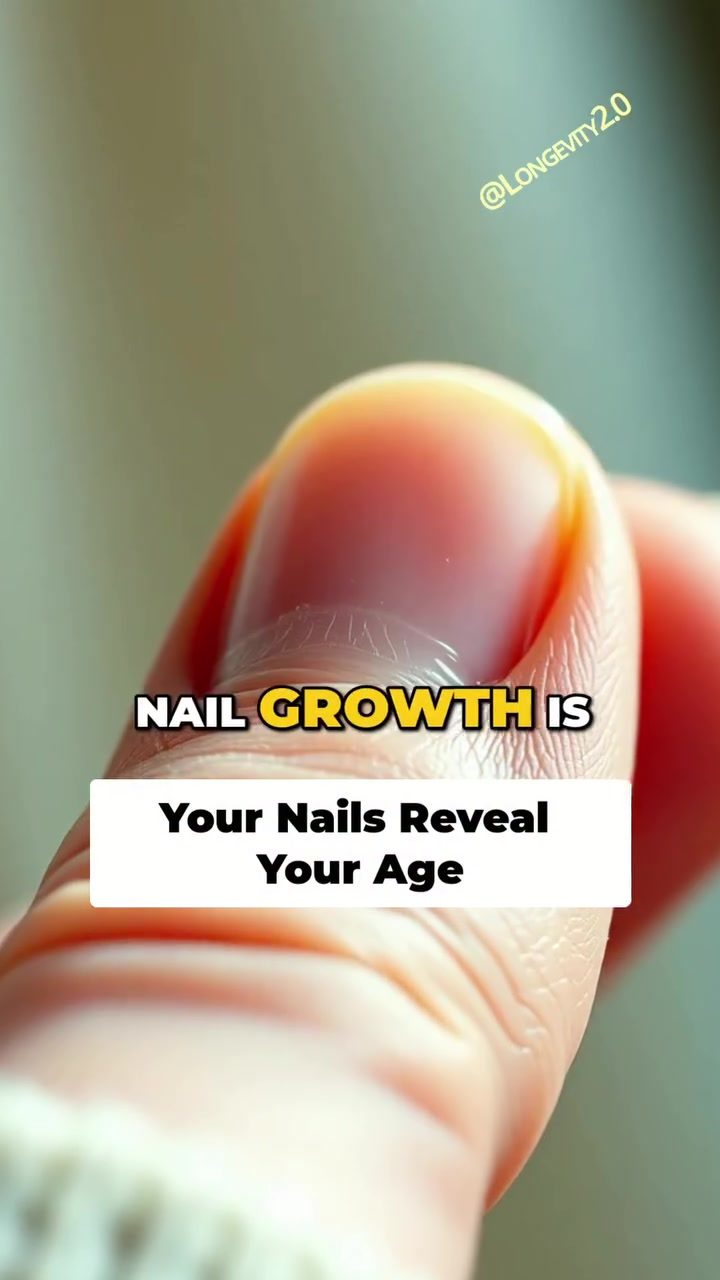
Nail Growth and Age
Nail growth may seem like a trivial aspect of our bodies, but it can reveal surprising insights into our biological age. Researchers have found that the rate at which your nails grow can be a significant indicator of how you are aging.
Context and Why This Matters
Your nail growth rate is influenced by several physiological processes that tend to slow down as we age. These processes include tissue regeneration, nutrient delivery through the bloodstream, and cellular turnover. By understanding how these processes change over time, we can gain insights into our overall health and aging.
Nail Growth and Biological Age
Research into nail growth and aging began decades ago. A notable study from 1979 involved gluing small measuring tapes onto people’s nails to track their growth over years. One participant, known as Mr. Bean, measured his nails for most of his life, providing valuable data. This study, along with observations of thousands of others, has shown that the rate of nail growth decreases by about 0.5% per year on average, regardless of chronological age.
The Science Behind Nail Growth
Nail growth is a complex process that involves the continuous production of new cells. This process is influenced by various factors, including genetics, nutrition, and overall health. As we age, the efficiency of these processes tends to decline, leading to a slower rate of nail growth.
How to Measure Your Nail Growth
Measuring your nail growth can be a simple yet informative task. All you need is a ruler and a bit of patience. By tracking the length of your nails over a period, you can get an idea of your biological age. This method is particularly useful for understanding the subtle changes that occur in the body over time.
Practical Tips
While nail growth alone won't determine your biological age, it can serve as a useful biomarker. Here are some practical tips for tracking your nail growth and understanding its implications:
-
Measure Regularly: Use a ruler to measure the length of your nails every few weeks. Record the measurements to track changes over time.
-
Observe Patterns: Pay attention to any changes in the rate of growth. A slowing rate may indicate that your body's regenerative processes are slowing down, which is a natural part of aging.
-
Consult a Professional: If you notice significant changes in your nail growth, it may be worth consulting with a healthcare provider. They can offer more insights and help you understand what these changes might mean for your overall health.
Important Takeaways
The rate of nail growth is a valuable indicator of biological age and overall health. By tracking this simple biomarker, you can gain insights into the subtle changes that occur in the body as we age. Remember, aging is a continuous process that occurs every day, and understanding these changes can help you maintain youthful characteristics for as long as possible.
Conclusion
Nail growth may seem like a minor detail, but it can provide valuable insights into our biological age and overall health. By understanding and tracking this process, we can better appreciate the complexities of aging and take steps to maintain our vitality. If you find this topic interesting, consider subscribing to newsletters and resources focused on anti-aging research and practical strategies for staying biologically younger.
Questions readers ask
How does the nail growth rate change with age?
As we age, the rate of nail growth typically slows down. This is due to a decrease in cellular turnover and a reduction in the efficiency of nutrient delivery through the bloodstream. By tracking changes in nail growth rate, it is possible to gain insights into an individual's aging process.
Can nail growth rate indicate overall health?
Yes, nail growth rate can offer clues about overall health. Faster nail growth may indicate that the body is efficiently delivering nutrients and regenerating tissues. Conversely, a slower nail growth rate could suggest that these processes are not functioning optimally, which can be influenced by various factors, including age, nutrition, and overall health status.
What factors affect the rate of nail growth?
Several factors can influence nail growth rate, including age, genetics, overall health, and nutrition. Other factors such as hydration levels, medications, and environmental conditions can also play a role. For instance, hormonal fluctuations, conditions like anemia, and even your diet can impact how quickly or slowly your nails grow.
Why is tracking nail growth important for understanding aging?
Tracking nail growth can provide valuable information about the body's regenerative capabilities and overall health. By monitoring changes in nail growth rate over time, you can assess how well your body is managing various physiological processes that are critical for maintaining youthful health and vitality.
How was the relationship between nail growth and aging first studied?
Research into the relationship between nail growth and aging began decades ago. A notable study from 1979 used a unique method of gluing small measuring tapes onto participants' nails to track growth rates over time. This early research helped establish the foundation for understanding how nail growth can serve as a biological age indicator.
Can lifestyle changes affect nail growth and health?
Yes, lifestyle changes can significantly impact nail growth and health. Improving your diet, staying well-hydrated, and maintaining good overall health can promote faster and healthier nail growth. Conversely, poor nutrition, dehydration, and unhealthy habits can slow down nail growth and lead to brittle or weak nails.
How does nail growth correlate with biological age rather than chronological age?
Nail growth can correlate more closely with biological age, which is a measure of your body's overall health and physiological condition. Biological age takes into account factors like cellular turnover and nutrient delivery, which are reflected in nail growth. Chronological age, on the other hand, is simply the number of years you've lived, and it does not necessarily indicate your body's functional status or biological age.
Recent articles
Fresh deep dives from the latest Reels we unpacked.




Comments
Be the first to comment.