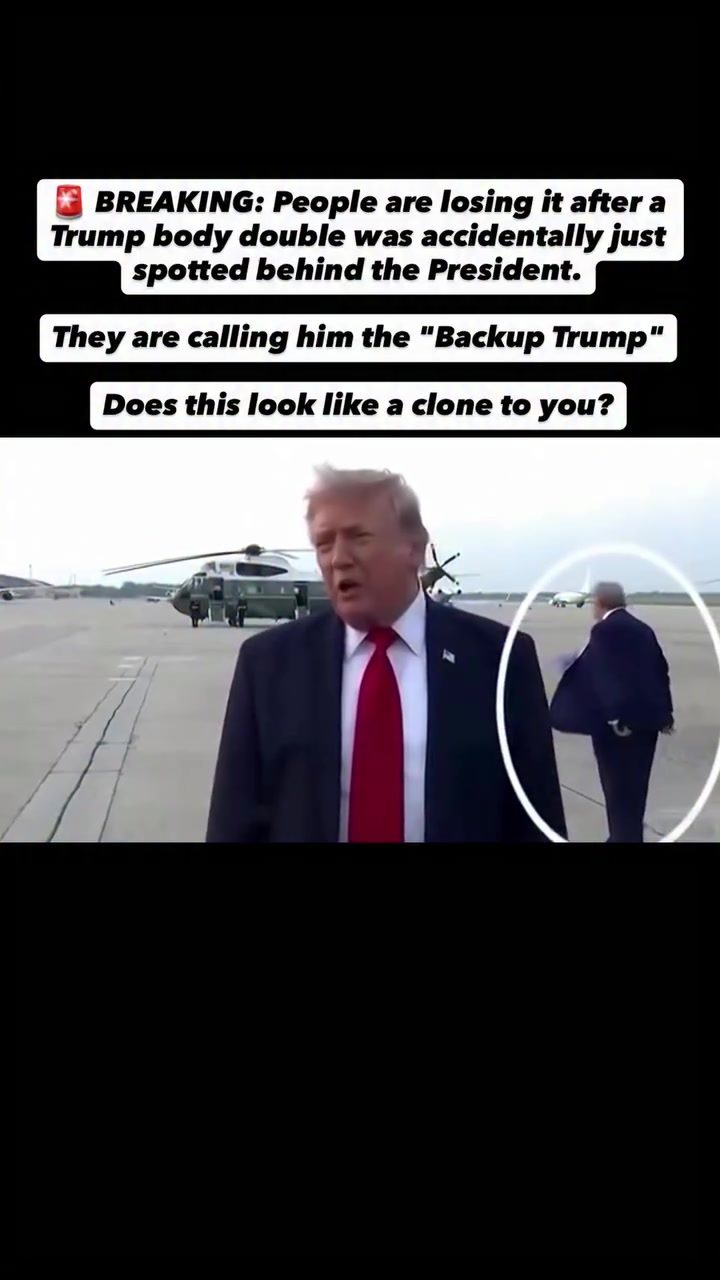
Political Conspiracy Theory: The "Backup Trump" Phenomenon
The recent buzz surrounding a supposed Trump body double has ignited a flurry of speculation and debate. The term "Backup Trump" has emerged, referring to a figure seen behind former President Donald Trump in a viral video clip. This phenomenon raises intriguing questions about authenticity, political optics, and the power of digital media in shaping public perception.
Why This Matters
In an era where digital media and social platforms play a pivotal role in disseminating information, the "Backup Trump" claim serves as a microcosm of larger discussions about misinformation, political transparency, and the public's relentless pursuit of authenticity. The internet's penchant for conspiracy theories adds another layer to this phenomenon, making it a fascinating study in modern political discourse.
How the Theory Started
The "Backup Trump" theory gained traction through viral videos and posts, largely on social media platforms. The central idea is that a figure seen behind Donald Trump in a video clip is a body double, intended to deceive the public. The term "Backup Trump" was coined by netizens who believed they had uncovered a conspiracy.
The Viral Video
The video in question features Donald Trump interacting with someone behind him. The person behind Trump has been scrutinized closely, with some viewers claiming that the figure's resemblance to Trump is too uncanny to be coincidental. This has led to widespread speculation about the possibility of a body double.
The "Backup Trump" Narrative
The narrative around the "Backup Trump" has been amplified by various social media users who have analyzed the video frame by frame. The theory suggests that the figure behind Trump is a carbon copy, used to maintain a degree of deception. The term "Backup Trump" has been used ironically and humorously in many contexts, adding to the viral nature of the claim.
Analyzing the Claims
The "Backup Trump" theory has sparked numerous debates, with some enthusiastically supporting the idea, while others dismiss it as a baseless conspiracy. Let's delve into some of the key points of discussion.
The Role of Body Doubles
Body doubles are a well-known concept in entertainment, where actors or politicians hire look-alikes to perform in place of themselves. While this practice is common in the film industry, its application in politics is heavily debated. The "Backup Trump" theory hinges on the idea that such a practice could be used to deceive the public, making it a contentious claim.
Evidence and Speculation
The primary evidence supporting the "Backup Trump" theory is the video itself. Proponents of the theory point to small details, such as the figure's posture, facial features, and interactions with Trump, claiming these elements suggest an imposter. However, without conclusive evidence, the claim remains speculative.
Practical Tips for Evaluating Political Conspiracies
Navigating political conspiracy theories can be challenging, especially when they gain traction on social media. Here are some practical tips to help you evaluate such claims:
1. Look for Concrete Evidence
When evaluating a conspiracy theory, look for concrete evidence rather than speculation. Credible theories often have supporting documentation, witness testimonies, or verifiable sources. In the case of the "Backup Trump," the primary evidence is the video clip, which, while intriguing, does not provide definitive proof.
2. Consider the Source
The credibility of the source disseminating the information is crucial. In the digital age, misinformation can spread rapidly through social media platforms. Always check the credibility of the source before accepting a claim as factual.
3. Stay Informed
Staying informed about current events and political developments can help you discern between genuine concerns and baseless conspiracies. The "Backup Trump" theory, for example, would be easier to evaluate if one is familiar with the broader context of political optics and deception.
Important Takeaways
The "Backup Trump" phenomenon underscores several important points about digital media, political discourse, and public perception.
- The Power of Viral Content: In the digital age, a simple video clip can spark a global conversation. The viral nature of the "Backup Trump" claim highlights how quickly and widely information can spread through social media platforms.
- The Role of Social Media: Social media plays a crucial role in shaping public perception and spreading political narratives. The "Backup Trump" theory is a prime example of how conspiracy theories can gain traction through viral posts and online debates.
- Balancing Speculation and Evidence: While speculation and conspiracy theories are a part of political discourse, it is essential to balance them with concrete evidence. The "Backup Trump" claim, while intriguing, lacks definitive proof, making it a contentious topic.
Conclusion
The "Backup Trump" phenomenon is a fascinating example of how political conspiracy theories can gain momentum in the digital age. Whether the theory is true or not, it raises important questions about public perception, political optics, and the role of social media in shaping public discourse. As the debate continues, it serves as a reminder to evaluate claims critically and stay informed about current events.
Questions readers ask
What is the 'Backup Trump' conspiracy theory about?
The 'Backup Trump' conspiracy theory suggests that a figure seen behind former President Donald Trump in a viral video clip is not the real Trump or a body double, but some other person or a clone. This theory has sparked debates about authenticity and political optics in digital media.
Where did the 'Backup Trump' theory originate?
The 'Backup Trump' theory originated from a viral video clip where a figure seen behind Donald Trump was perceived to be a double or clone. This sparked online speculation and conspiracy theories, leading to widespread discussions about the authenticity of the figure.
What are some of the most common theories about the 'Backup Trump' figure?
Some of the most common theories suggest that the figure is a body double or a clone, used to mislead the public or create confusion. Others propose that it is simply a misinterpretation of shadows or angles, or that it is a prank orchestrated by political opponents.
How has social media influenced the spread of the 'Backup Trump' conspiracy?
Social media has played a significant role in spreading the 'Backup Trump' conspiracy, with users sharing and debating the viral video clip. Platforms like Twitter and TikTok have amplified the reach of the theory, making it difficult for some to discern the truth.
What are some of the main reasons people believe in the 'Backup Trump' conspiracy?
Some people believe in the 'Backup Trump' conspiracy due to the seemingly uncanny resemblance of the figure to Trump, as well as the blurred and unclear nature of the video clip. Additionally, mistrust in political figures and the influence of digital media misinformation contribute to the theory's popularity.
How has the Trump camp responded to the 'Backup Trump' claims?
The Trump camp has largely dismissed the 'Backup Trump' claims as baseless conspiracy theories. They have not officially addressed the matter, but supporters and critics alike have weighed in on the debate, further fueling speculation and misinformation.
What are some reliable sources for debunking the 'Backup Trump' conspiracy?
For those looking to debunk the 'Backup Trump' conspiracy, fact-checking organizations and reputable news outlets are good resources. These sources often analyze the evidence and provide context to help the public understand the underlying issues and dispel myths.
Recent articles
Fresh deep dives from the latest Reels we unpacked.




Comments
Be the first to comment.