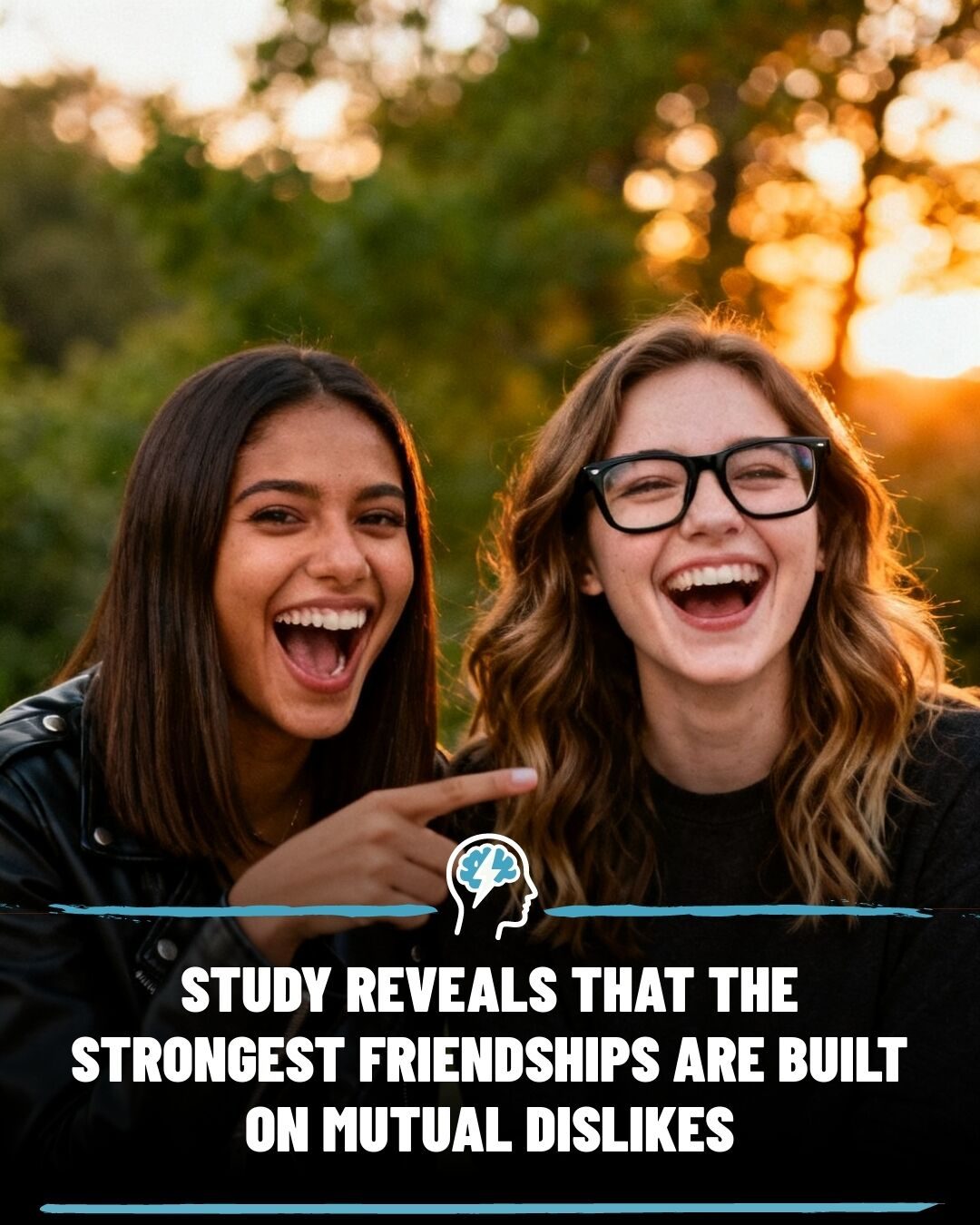
Friendship and Mutual Dislikes
Friendship is a complex and multifaceted relationship that evolves over time. While many might believe that shared interests and mutual likes are the cornerstones of strong bonds, research suggests that mutual dislikes can also play a significant role in forming deep connections. This idea, while a bit unconventional, opens an intriguing perspective on how people bond and form lasting relationships.
Why This Matters
Understanding the dynamics of friendship is crucial for building and maintaining healthy relationships. Recognizing the role of mutual dislikes in forming friendships can help individuals navigate social interactions more effectively. It highlights the importance of vulnerability and shared values in creating strong bonds and social groups.
The Science of Bonding
Negative Identity Formation
Psychologists refer to the phenomenon of bonding over mutual dislikes as "negative identity formation." This concept explains how sharing negative attitudes towards a third party can create a strong sense of belonging and trust. When two people reveal their dislikes, they are essentially opening up about their values and standards, revealing who they are and what they stand for.
The Role of Vulnerability
Vulnerability plays a significant role in this process. When you admit you dislike someone or something, you are putting yourself out there, making yourself open to judgment. When someone else matches that energy, it signals a deep level of understanding and acceptance. This mutual understanding is a critical foundation for trust, which is essential for any strong relationship.
Establishing In-Group Boundaries
Shared negative attitudes help establish in-group boundaries. These boundaries are crucial for creating a sense of belonging and unity. When two people bond over a shared dislike, they are essentially creating a group identity that sets them apart from others. This sense of belonging can be incredibly powerful, fostering a deeper connection and a stronger bond.
Boosting Self-Esteem
Shared negative attitudes also boost self-esteem through downward social comparison. When you bond over disliking something that others do not, you are essentially elevating your own status by finding common ground with others who share your opinions. This process can make you feel more confident and secure in your social circle.
Diagnostic Value
Furthermore, expressing dislike serves a diagnostic purpose. It tells others something meaningful about who you are and what you stand for. This process is crucial for quickly assessing compatibility and building trust. It allows people to gauge each other's values and standards, making it easier to form connections.
Practical Tips
1. Embrace Vulnerability
Open up about your dislikes, but do so carefully. Choose the right person and the right setting to reveal your negative opinions. Understanding that vulnerability is key to building deep connections can help you form stronger bonds.
2. Seek Mutual Understanding
When you share a dislike, pay attention to how the other person responds. If they match your energy and share similar sentiments, it's a good sign that you may have found a potential friend or ally. Mutual understanding and trust are essential for long-lasting relationships.
3. Balance Negative and Positive
While bonding over mutual dislikes can be powerful, it's important to balance it with positive interactions. Ensure that your relationships are not built solely on shared negativity, as this can become exhausting over time.
4. Recognize the Context
The primary research specifically examined shared negative attitudes toward other people, not general dislikes like hating cilantro or despising alarm clocks. While the underlying psychology of in-group bonding could theoretically apply more broadly, the strongest evidence centers on attitudes towards third parties. Be mindful of the context and the type of dislike being shared.
Important Takeaways
In summary, bonding over mutual dislikes is a legitimate social shortcut that your brain uses to quickly assess compatibility and build trust. It's a powerful mechanism that helps establish in-group boundaries, boost self-esteem, and foster a sense of belonging. However, it's crucial to use these moments of mutual eye-rolling to open doors to deeper connections, ensuring that relationships are built on a balanced mix of shared negativity and positivity.
Conclusion
In conclusion, mutual dislikes can be a surprising but powerful tool for building strong friendships. Understanding the psychology behind this phenomenon can help individuals navigate social interactions more effectively, fostering deeper connections and stronger bonds. While it’s essential to be mindful of the context and balance these interactions, recognizing the value of mutual dislikes can enrich our relationships and create a sense of belonging.
Questions readers ask
How do mutual dislikes contribute to a sense of belonging in friendships?
Mutual dislikes create a sense of belonging by establishing in-group boundaries. When friends share negative attitudes towards the same things, they implicitly agree on what they do not want in their lives, which can make them feel more united and understood.
Can sharing negative attitudes really help build trust in a friendship?
Yes, sharing negative attitudes can build trust because it requires vulnerability. When friends openly discuss and agree on their dislikes, they expose their true selves, creating a deeper connection, and mutual understanding.
What are some examples of mutual dislikes that can strengthen friendships?
Mutual dislikes can range from disliking certain foods, movies, or types of music to disliking specific behaviors or attitudes. Any mutual dislike can strengthen a friendship, as long as it arises from a shared perspective and creates a sense of mutual understanding.
How do mutual dislikes help in forming in-group boundaries?
When friends share dislikes, they create a subtle distinction between themselves and those who do not share the same dislikes. This helps establish in-group boundaries, and fostering a sense of 'us vs. them' can enhance social bonds and strengthen the relationship.
Can discovering mutual dislikes improve communication in a friendship?
Yes, discovering mutual dislikes can improve communication. It encourages friends to share their thoughts and feelings more openly, leading to more honest and meaningful conversations. This can foster a deeper connection and enhance the friendship.
How can mutual dislikes be a positive aspect of a relationship?
Mutual dislikes can be a positive aspect of a relationship because they help friends to better understand each other's values and priorities. This understanding can lead to a more authentic connection and create a stronger bond.
Why is it important to be open about negative attitudes in a friendship?
Being open about negative attitudes can help friends to better understand each other's perspectives. It also helps to create a sense of mutual understanding and trust, which are essential for maintaining a strong and lasting friendship.
Recent articles
Fresh deep dives from the latest Reels we unpacked.




Comments
Be the first to comment.