Mushroom Cultivation: Innovative Techniques and Unique Crops
Mushroom cultivation involves a variety of techniques and can yield a wide range of unique crops. Beyond the typical mushrooms, growers are exploring innovative methods to cultivate various plants and produce. This includes techniques like hydroponics, soilless cultivation, and traditional farming methods adapted to unique environments.
Innovation in Mushroom Cultivation
Unique Mushroom Strains
One of the most intriguing aspects of mushroom cultivation is the diversity of strains that can be grown. Poria mushrooms, for example, are cultivated using pine logs as carriers. The fungus is tightly attached to the wood and buried in soil, allowing the mycelium to grow and spread through the logs. This process eventually forms poria, which is both edible and medicinal. This method not only produces a valuable crop but also repurposes wood that might otherwise go to waste.
Non-traditional Crop Cultivation
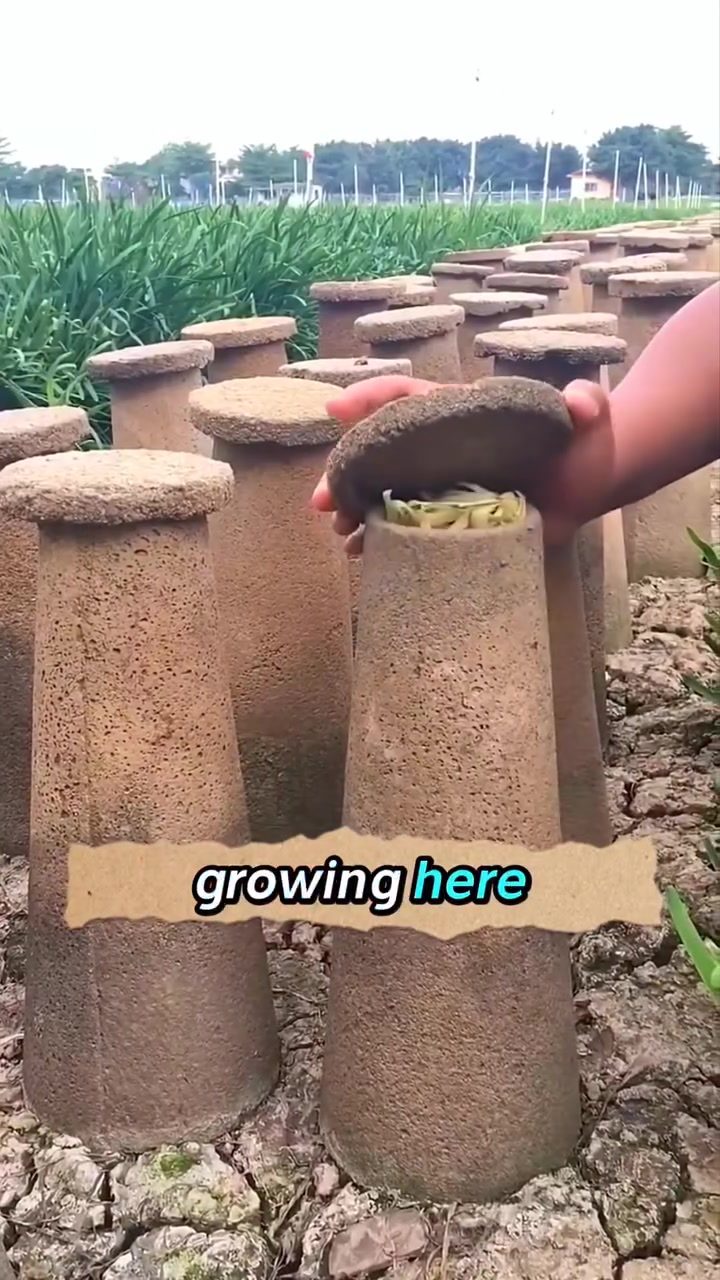
Mushroom cultivation isn't limited to just producing mushrooms. The techniques used in mushroom farming can be adapted to grow other crops, such as yellow chives. By blocking sunlight from regular chives and preventing photosynthesis, the plants cannot produce chlorophyll, resulting in pale and tender leaves. This method is a unique way to grow a crop that is normally green and fibrous.
Hydroponics and Integrated Farming
Hydroponic Houtunia
Hydroponics is a method of growing plants without soil, using mineral nutrient solutions in a water solvent. Hydroponic houtunia is a great example of this technique. In this system, vegetables are grown above while fish are raised below, creating a symbiotic relationship. This integrated approach, often referred to as a fish mint system, is sustainable and efficient, as the fish waste provides nutrients for the plants, and the plants help to purify the water for the fish.
Soilless Cultivation
Soilless cultivation is another innovative method that has been adapted for various crops. Chinese yam, for instance, is grown in a home cellar using this method. The soilless environment allows the yams to grow straight and clean, free from the impurities that can be found in traditional soil. This method is particularly useful in urban environments or where soil quality is poor.
Traditional and Adaptive Cultivation
Greenhouse Farming
Traditional farming techniques are still widely used and can be adapted to unique situations. For example, cherries are grown in greenhouses with traditional stoves used to raise the temperature. This helps the crops flower, fruit, and ripen faster, allowing for year-round production regardless of the external climate.
Rice Cultivation in Challenging Conditions
Rice cultivation in poplar fields in Vietnam illustrates the challenges and adaptations required in different environments. The excessive groundwater in these fields makes the soil loose, which can be challenging for traditional farming methods. Farmers have adapted by using specific techniques to ensure the rice grows effectively despite the difficult conditions.
Practical Tips for Aspiring Cultivators
Choosing the Right Technique
When starting out, it's essential to choose the right technique for your specific needs and environment. If you have limited space, hydroponics or soilless cultivation might be the way to go. For those with access to wooded areas, cultivating mushrooms on logs could be a sustainable and rewarding option. Consider the resources available to you and the crops you wish to grow before making a decision.
Adapting to Challenges
Farming is all about adapting to challenges. Whether it's dealing with loose soil, excessive groundwater, or limited space, there are always solutions to be found. Researching successful farming practices in similar environments can provide valuable insights. Don't be afraid to experiment with different techniques and adapt them to your unique situation.
Sustainability and Efficiency
Incorporating sustainable practices is crucial for long-term success. Integrated systems like hydroponics and aquaponics not only save resources but also create a harmonious ecosystem. By using fish waste to fertilize plants and plants to purify water, these systems are both efficient and environmentally friendly.
Important Takeaways
Diversity in Cultivation
The world of mushroom cultivation is vast and diverse, offering numerous techniques and crops to explore. From traditional methods to innovative hydroponics, there are countless ways to grow unique and valuable plants.
Adaptability is Key
Whether you're dealing with challenging soil conditions, limited space, or other obstacles, adaptability is key. Researching and experimenting with different techniques can help you find the best solution for your specific situation.
Sustainability Matters
Sustainable practices are not just good for the environment; they are also good for your farm's long-term success. Incorporating integrated systems and efficient techniques can save resources and create a more resilient farm.
Conclusion
Mushroom cultivation is a fascinating and diverse field with a wide range of techniques and crops. From growing poria mushrooms on pine logs to hydroponic houtunia and soilless Chinese yam, the possibilities are endless. By adapting traditional and innovative methods to unique environments, cultivators can produce a variety of valuable and interesting crops. Whether you're a seasoned farmer or just starting out, there's always something new to learn and explore in the world of mushroom cultivation.
Questions readers ask
What is the process of cultivating Poria mushrooms on pine logs?
Poria mushrooms are grown by attaching the fungus to pine logs, which act as carriers. The logs are then buried in soil, allowing the mycelium to spread through the wood. This method is unique and results in a specific environment where the mushroom thrives.
What are the benefits of using soilless farming techniques for mushroom cultivation?
Soilless farming techniques, such as hydroponics, allow for precise control over the growing environment, including nutrients and water. This can lead to faster growth and higher yields. Additionally, soilless methods reduce the risk of soil-borne diseases and pests, promoting healthier crops.
Can you grow mushrooms at home without soil?
Yes, it is possible to grow mushrooms at home without soil. Hydroponic and soilless cultivation methods use nutrient-rich solutions and substrates like sawdust, straw, or coconut coir. These methods are effective for growing a variety of mushrooms, including medicinal and gourmet varieties.
What role does light-blocking play in mushroom farming, particularly with yellow chives?
Light-blocking techniques are crucial for growing mushrooms like yellow chives. They prevent light from reaching the growing area, which can disrupt the mushroom's growth. This is because mushrooms thrive in dark, humid environments.
What is the purpose of using pine logs in mushroom farming, and which mushrooms benefit from this technique?
Using pine logs in mushroom farming serves as a carrier for the fungus, providing a natural substrate rich in nutrients and moisture. This technique is particularly beneficial for cultivating Poria mushrooms, which have a strong attachment to the wood and thrive in this environment.
How can fish emulsion be used in mushroom farming, and what benefits does it provide?
Fish emulsion can be used as a natural fertilizer in mushroom farming, providing essential nutrients to the growing mushrooms. This can lead to improved health and yield. It is particularly beneficial in soilless farming methods, where precise nutrient control is important. It also enhances the mycelium growth and overall mushroom development.
What are some unique crops that can be grown using mushroom farming techniques?
Beyond traditional mushrooms, innovative techniques like hydroponics and soilless farming allow growers to cultivate a variety of unique crops, including medicinal mushrooms and even plants like yellow chives. These methods open up new possibilities for sustainable agriculture and diversification of crops.
Recent articles
Fresh deep dives from the latest Reels we unpacked.




Comments
Be the first to comment.