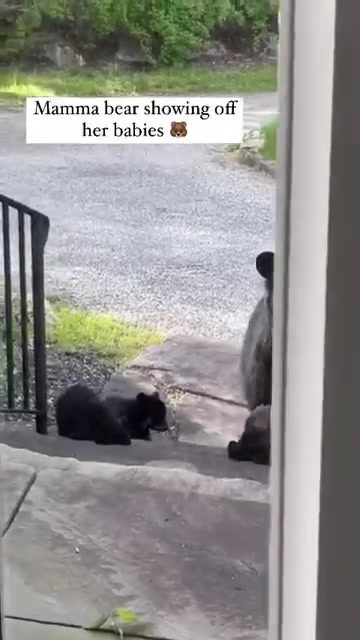
Mother Bears and Cubs Displaying Natural Bond
A mother bear and her cubs strolling across a driveway offer a glimpse into the natural world right outside our doors. This sighting is more than just a fleeting moment of nature; it underscores the delicate balance between wildlife and human environments. Understanding the behavior of mother bears with their cubs can provide insights into the fascinating world of wildlife and their interactions with residential areas.
Why This Matters
Mother bears and their cubs are a common sight in many wilderness areas, but seeing them in a residential setting is a unique experience. This sighting highlights the interplay between wildlife and human environments, emphasizing the importance of coexistence and conservation. Bears are a keystone species, playing a crucial role in their ecosystems. Watching a mother bear with her cubs offers a deeper appreciation for the natural world and the need for conservation efforts.
The Behavior
Mother Bear as a Protective Figure
Mother bears exhibit strong protective instincts, which are evident when they are accompanied by their cubs. This protective nature ensures the survival of the cubs, who are vulnerable and depend on their mother for food, shelter, and guidance. The cubs, small and black, follow their mother closely, relying on her for protection and guidance. Mother bears teach their cubs essential survival skills, including foraging, hunting, and navigating their environment.
Surveillance and Security
The sighting from a residential window or door highlights the vigilance of mother bears. They are constantly aware of their surroundings, ensuring the safety of their cubs. This vigilance is crucial, as bears face numerous threats in both natural and human environments. The mother bear in the video likely chose a paved area, such as a driveway, as a safer route, avoiding potential hazards and predators.
Practical Tips
Safety Around Bears
Living in areas populated by wildlife requires understanding and respect for these animals. When encountering a mother bear with her cubs, it is essential to maintain a safe distance. Use binoculars or a camera with a zoom lens to observe from a distance. Avoid sudden movements or loud noises that might startle the bears. Remember, a mother bear is highly protective of her cubs and may become aggressive if she perceives a threat.
Bear-Proofing Your Home
For those living in bear country, taking steps to bear-proof your home can help prevent unwanted encounters. Store trash in bear-resistant containers or in a secure area, such as a garage or shed. Remove bird feeders and pet food from your yard, as these can attract bears. Install motion-activated lights and alarms to deter bears from approaching your home.
Reporting Bear Sightings
Reporting bear sightings to local wildlife authorities can help with conservation efforts and ensure the safety of both humans and bears. Wildlife officials can monitor bear populations, manage conflicts, and provide valuable information to the community. By reporting sightings, you contribute to the broader understanding of bear behavior and habitats.
Important Takeaways
A mother bear displaying her cubs in a residential area is a reminder of the close proximity of wildlife and human environments. This sighting underscores the importance of coexistence and the need for conservation efforts. Bears are a vital part of their ecosystems, and their behavior offers valuable insights into the natural world. Understanding and respecting these animals can help ensure their survival and the safety of those who share their habitat.
Conclusion
Witnessing a mother bear with her cubs strolling across a driveway provides a unique opportunity to observe wildlife in a residential setting. This sighting highlights the protective instincts of mother bears and the importance of coexistence and conservation. By understanding bear behavior and taking practical steps to ensure safety, we can foster a harmonious relationship with these magnificent creatures.
Questions readers ask
Why are bear sightings in residential areas significant?
Bear sightings in residential areas are significant because they offer a unique opportunity to observe wildlife behavior up close, in an environment where humans and animals interact. They highlight the importance of understanding and respecting wildlife within urban areas. Conserving the bear population is essential for maintaining the delicate balance of local ecosystems.
How should I act if I encounter a mother bear with cubs?
If you encounter a mother bear with cubs, it is crucial to remain calm and quiet. Give them plenty of space and never approach or attempt to feed them. Make sure to keep your pets and children away from the bears to ensure a safe encounter for everyone. Back away slowly and allow the bears to move on.
What role do bears play in their ecosystems?
Bears play a vital role in their ecosystems by dispersing seeds through their scat, which helps with forest regeneration. They also control populations of other animals, such as deer and small mammals. Their presence indicates a healthy, functioning ecosystem, making their conservation a priority for maintaining biodiversity.
Why is it important for humans and bears to coexist?
Coexistence between humans and bears is important because it helps maintain the natural balance of ecosystems. It also ensures the survival of bear populations, which are threatened by habitat loss and human-bear conflicts. By coexisting peacefully, we can enjoy the benefits of having wildlife in our neighborhoods and contribute to conservation efforts.
What can I do to promote safe wildlife encounters in my neighborhood?
To promote safe wildlife encounters, make sure to secure trash cans with bear-resistant lids, avoid leaving pet food outdoors, and clean grills after use. Installing motion-activated lights and noise-makers can also help deter bears from entering your property. Always stay a safe distance from wildlife and report any unusual behavior to local wildlife authorities.
What should I do if I see a bear in the Hudson Valley?
If you see a bear in the Hudson Valley, enjoy the sighting from a safe distance. Do not approach or attempt to feed the bear. Make sure to keep your pets and children away from the bear to ensure a safe encounter. If the bear poses a threat, contact local wildlife authorities immediately.
What are some common behaviors of mother bears with cubs?
Mother bears with cubs often display protective behaviors, such as growling or charging if they feel threatened. They teach their cubs essential skills like foraging, climbing, and navigating their environment. Cubs stay with their mothers for about 18 months, learning crucial survival skills during this time.
Related deep dives
Similar reads based on topic and creator.




Recent articles
Fresh deep dives from the latest Reels we unpacked.




Comments
Be the first to comment.