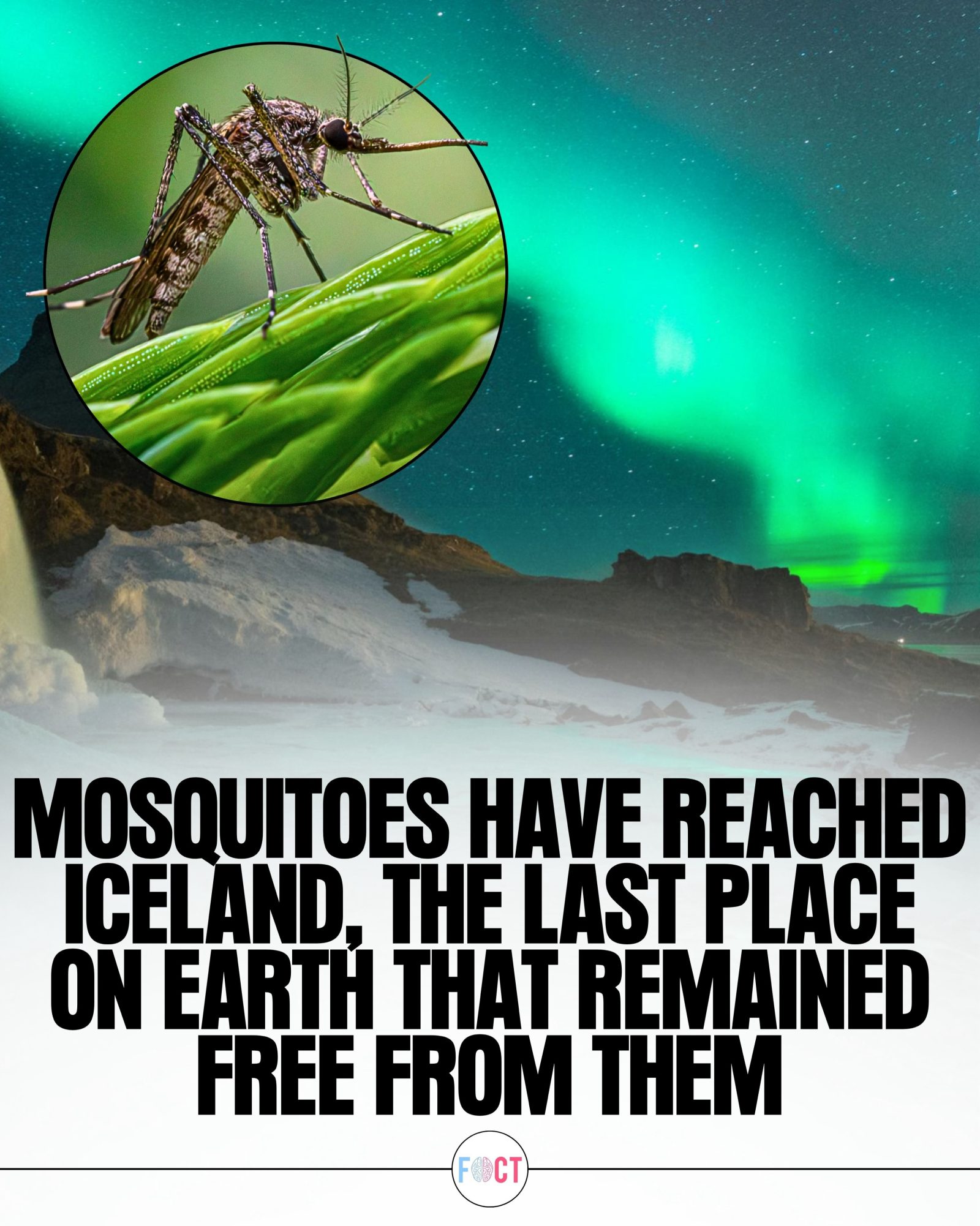
Mosquitoes in Iceland
For the first time in history, mosquitoes have been detected in Iceland, marking a significant ecological change linked to climate change. This development highlights the far-reaching impacts of global warming, even in some of the most remote and previously inhospitable regions of the world.
Context / Why this matters
Iceland's unique climate has historically made it one of the few places on Earth free from mosquitoes. The country's harsh freeze-thaw cycles and unstable climate conditions have long prevented mosquito larvae from maturing, effectively keeping these insects at bay. However, the recent detection of Culiseta annulata, a mosquito species commonly found in Europe, in the Kjos region north of Reykjavik, indicates that these conditions are changing rapidly.
The arrival of mosquitoes in Iceland is not just an isolated event; it is a stark example of how climate change is altering ecosystems globally. Rising Arctic temperatures are creating more stable and warmer conditions, allowing species like mosquitoes to thrive in areas where they previously could not survive. This shift has profound implications for both the local ecosystem and the global understanding of climate change impacts.
Mosquitoes in Iceland: An Unexpected Arrival
The Discovery
Researchers identified the mosquito species as Culiseta annulata, which has a widespread presence across Europe. The specimens were first discovered in the Kjos region, a northern area of Iceland. This region, like much of Iceland, has traditionally been too cold for mosquitoes to complete their life cycle. The recent warming trends, however, have provided a more hospitable environment, enabling these insects to establish a foothold.
Climate Change and Arctic Warming
Arctic regions, including Iceland, are warming at a rate significantly faster than the global average. This accelerated warming is reducing the frequency and severity of the freeze-thaw cycles that once made Iceland inhospitable to mosquitoes. As a result, conditions are becoming more stable and conducive to the survival and reproduction of these insects.
The high latitude and relatively mild climate of Iceland have historically been crucial in maintaining its status as a mosquito-free region. However, the increasing stability of these conditions is altering the ecological balance, allowing species to adapt and thrive in formerly unsuitable environments.
How Mosquitoes Arrived
Researchers believe that the mosquitoes likely arrived through human activities, such as shipping or cargo transport. Once in Iceland, these insects quickly adapted to the local conditions, finding suitable breeding grounds and successfully completing their life cycles.
The Ecological Impact
Changes in Biodiversity
The establishment of a permanent mosquito population in Iceland would have far-reaching ecological implications. The presence of mosquitoes could alter the dynamics of local ecosystems, affecting everything from plant life to animal populations. Mosquitoes are not only known for their nuisance, but they can also be vectors for various diseases. This could potentially lead to new health challenges for both wildlife and humans in the region.
Loss of a Unique Environmental Distinction
Iceland's mosquito-free status has long been one of its most distinctive environmental features. If the Culiseta annulata species establishes a permanent population, Iceland would lose this unique distinction, leaving Antarctica as the only landmass on Earth without mosquitoes. This shift underscores the profound and widespread impacts of climate change, even in some of the most remote and pristine regions of the world.
Practical Tips
While the discovery of mosquitoes in Iceland is alarming, there are steps that can be taken to monitor and mitigate the potential impacts. For residents and visitors to Iceland, it is essential to be aware of the changing environment and take precautions to protect against mosquito bites. Using insect repellents, wearing protective clothing, and reducing the risk of standing water where mosquitoes can breed are practical steps that can help manage the situation.
For researchers and policymakers, continuous monitoring and adaptation strategies are crucial. Understanding the spread and behavior of these mosquitoes in Iceland will provide valuable insights into how similar changes may occur in other regions affected by climate change. This knowledge can inform broader efforts to mitigate the effects of global warming and protect vulnerable ecosystems.
Important Takeaways
The detection of mosquitoes in Iceland serves as a vivid reminder of the profound and far-reaching impacts of climate change. This event highlights the need for ongoing research, monitoring, and adaptation strategies to address the ecological shifts occurring in even the most remote parts of the world. The arrival of mosquitoes in Iceland is not just a local phenomenon but a global issue that underscores the urgency of addressing climate change on a global scale.
Conclusion
The discovery of mosquitoes in Iceland is a striking example of how climate change is reshaping ecosystems worldwide. As Arctic regions warm at an unprecedented rate, once-inhospitable environments are becoming more suitable for a variety of species, including mosquitoes. This ecological shift has significant implications for both local and global ecosystems, emphasizing the need for continuous monitoring, research, and adaptive strategies. While the presence of mosquitoes in Iceland is a new and unsettling development, it also provides an opportunity to deepen our understanding of climate change and its impacts, guiding efforts to protect and preserve the world's most vulnerable regions.
Questions readers ask
What species of mosquito was found in Iceland and why is this significant?
The species detected is Culiseta annulata, a European mosquito. This is significant because Iceland's climate has historically been too harsh for mosquitoes to survive, making this the first time these insects have been found in the country.
How does climate change contribute to the appearance of mosquitoes in Iceland?
Climate change has led to rising temperatures in the Arctic, including Iceland. This warming has made the environment more hospitable for mosquito larvae to mature, allowing these insects to establish populations in areas where they previously couldn't survive.
What does the presence of mosquitoes in Iceland tell us about global warming?
The appearance of mosquitoes in Iceland signals that global warming is altering ecosystems even in remote and cold regions. It serves as a tangible indicator of the widespread impacts of climate change.
Can mosquitoes survive in cold climates, and how do they adapt?
Some mosquito species can survive in cold climates by entering a state of diapause, or hibernation, during harsh winter months. However, the recent detection in Iceland suggests that the climate is becoming more suitable for active mosquito populations year-round.
What other species might we see in Iceland as a result of climate change?
As temperatures continue to rise, other species typically found in warmer climates may also establish themselves in Iceland. This could include various insects, plants, and potentially even small animals, all of which would significantly alter the region's ecosystem.
What can be done to mitigate the impact of invasive species like mosquitoes in Iceland?
Monitoring and early detection are crucial for managing invasive species. Implementing control measures, such as larval habitat reduction and targeted insecticides, can also help. Additionally, understanding and addressing the root causes of climate change can prevent further disruptions of local ecosystems.
Related deep dives
Similar reads based on topic and creator.

Recent articles
Fresh deep dives from the latest Reels we unpacked.




Comments
Be the first to comment.