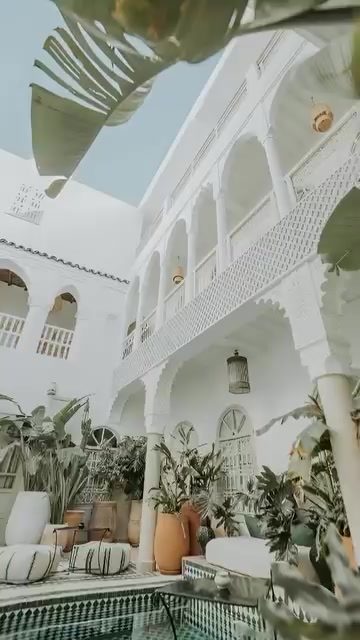
Moroccan Courtyard Oasis
Moroccan courtyards are renowned for their tranquil beauty, a harmonious blend of intricate design and natural elements. These spaces are more than just architectural marvels; they are sanctuaries of serenity, offering a respite from the hustle and bustle of daily life. Let's delve into the enchanting world of Moroccan courtyard oases, exploring their design elements, cultural significance, and how to create a similar tranquil space in your own backyard.
The Allure of Moroccan Courtyards
Moroccan courtyards, or riads, are characterized by their lush greenery, vibrant tilework, and distinctive white architecture. These elements come together to create an ambiance that is both inviting and peaceful. The courtyards often feature a central pool or fountain, surrounded by arched doorways and windows, which add to the serene atmosphere. The design of a Moroccan courtyard is deeply rooted in tradition, reflecting the country's rich cultural heritage.
Context / Why This Matters
Creating a Moroccan-inspired courtyard in your own space can transform your outdoor area into a peaceful retreat. Whether you're looking to design a new courtyard from scratch or breathe new life into an existing one, understanding the key elements of a Moroccan courtyard can help you achieve that tranquil oasis.
Main Discussion
Traditional Design Elements
The traditional design of a Moroccan courtyard revolves around several key elements, including white architecture and vibrant tilework. These elements are more than just aesthetic choices; they are integral to the overall ambiance and cultural authenticity of the space.
White Architecture
White architecture is a hallmark of Moroccan courtyard design. The use of white in the walls and structures helps to reflect the sunlight, keeping the space cool and bright. This design element is particularly effective in the hot Moroccan climate, where staying cool is crucial. The white architecture also provides a stark contrast to the vibrant tilework and greenery, making the courtyard visually appealing.
Intricate Tilework
Moroccan tilework is renowned for its intricate patterns and vibrant colors. Zellige tiles, with their geometric and floral designs, are a common feature. These tiles add a rich cultural element to the courtyard, transforming the space into a living piece of art. They can be used on walls, floors, and even as decorative accents around the pool. The vivid colors and intricate patterns evoke a sense of opulence and tradition.
Lush Greenery and Water Features
Lush greenery and water features are essential to the serene ambiance of a Moroccan courtyard. Potted plants, vines, and small trees create a lush, green backdrop that adds to the tranquility. Water features, such as small pools or fountains, are central to the design. The sound of flowing water is soothing and helps to create a relaxing atmosphere. These water features also serve a practical purpose by cooling the environment and filling the air with a refreshing mist.
Cultural Significance
Moroccan courtyards hold significant cultural importance. They are more than just architectural spaces; they are a reflection of the country's rich history and tradition. These courtyards often serve as gathering places for families and friends, providing a space for social interaction and communal living. In many Moroccan homes, the courtyard is the heart of the house, where people spend time together, sharing meals and stories.
Creating Your Own Moroccan Oasis
Bringing the essence of a Moroccan courtyard to your own backyard can be a rewarding project. Here are some key design elements to consider when creating your own Moroccan oasis.
Practical Tips
Choosing the Right Location
The location of your courtyard is crucial. Ideally, it should be situated in a place that gets plenty of natural light but is also shaded to keep it cool. If you have a choice, select a spot that offers a view of the surrounding landscape, adding to the serene ambiance. Ensure there is a nearby water source for your pool or fountain.
Designing the Layout
When designing the layout, consider the placement of seating areas, plants, and water features. Arrange seating areas around the pool or fountain to create a central focal point. Use arched doorways and windows to define different sections of the courtyard, and incorporate intricate tilework to add a touch of Moroccan flair.
Selecting Plants and Water Features
Choose plants that thrive in your climate and complement the overall design. Lush greenery is essential, so opt for plants that provide a dense, green canopy, such as ivy, bougainvillea, and olive trees. For water features, a small pool or fountain can add a soothing element. Ensure the water feature is visually appealing and adds to the courtyard's overall serenity.
Incorporating Tilework
Tilework is a key element of Moroccan courtyard design. Use vibrant Zellige tiles to create intricate patterns on walls, floors, and decorative accents. These tiles add a rich cultural element and enhance the visual appeal of the space. You can also use smaller tile pieces to create mosaics or decorative borders around seating areas or the pool.
Adding Seating Areas
Comfortable seating areas are essential for a Moroccan courtyard. Arrange seating around the pool or fountain, using low-lying chairs, benches, and cushions. Traditional Moroccan seating often includes floor cushions or low stools, which can be arranged in a relaxed, informal setting. Use outdoor rugs and pillows to create a cozy and inviting atmosphere.
Lighting and Ambiance
Lighting plays a crucial role in creating the ambiance of a Moroccan courtyard. Opt for soft, warm lighting that creates a tranquil atmosphere. String lights, lanterns, and candles can add a touch of magic, especially in the evenings. Place lights strategically around the courtyard to highlight key features, such as the pool, tilework, and seating areas.
Important Takeaways
Creating a Moroccan courtyard oasis in your backyard is a project that combines tradition, design, and nature to create a serene retreat. The key elements—white architecture, intricate tilework, lush greenery, and water features—each play a crucial role in achieving the tranquil ambiance. By understanding and incorporating these elements, you can transform your outdoor space into a peaceful oasis that reflects the rich cultural heritage of Morocco.
Conclusion
Moroccan courtyard oases are more than just beautiful spaces; they are sanctuaries of serenity and tranquility. By incorporating the key design elements and cultural traditions of Moroccan courtyards, you can create a unique and inviting oasis in your own backyard. Whether you're looking to design a new courtyard or revamp an existing one, embracing the beauty and tradition of Moroccan courtyard design can help you achieve the perfect retreat.
Questions readers ask
What are the key elements of Moroccan courtyard design?
Moroccan courtyard design, or riads, typically includes lush greenery, vibrant tilework, and distinctive white architecture. These elements are combined to create an inviting and peaceful atmosphere. Key features often include a central pool or fountain, arched doorways, and intricate tilework patterns.
What is the significance of a central pool or fountain in a Moroccan courtyard?
The central pool or fountain in a Moroccan courtyard is not just a decorative element; it serves as a cooling feature in the hot climate and a source of soothing sound. These water features also symbolize life and purity, enhancing the tranquility of the space.
How can I incorporate Moroccan architecture into a small courtyard?
For a small courtyard, consider using Moroccan architectural elements like arched doorways, intricate tilework, and white walls. Use vertical gardening and small plants to maximize greenery in limited space. A small fountain or reflective pool can also create a serene atmosphere.
What types of plants are suitable for a lush greenery courtyard in the Moroccan style?
Plants like bougainvillea, jasmine, and citrus trees are commonly found in Moroccan courtyards. These plants thrive in warm climates and provide a lush, fragrant environment. Consider also using potted plants and hanging baskets to add greenery and dimension to your space.
How do I choose tilework patterns for a Moroccan-inspired courtyard?
Moroccan tilework patterns, known as *zellij*, are intricate and geometric. Opt for traditional designs like hexagons, octagons, and stars. Choose colors that complement your courtyard's color scheme, often including blues, greens, and earth tones. Incorporate these patterns on floors, walls, or as decorative accents.
Can I create an authentic Moroccan courtyard in a modern home?
Absolutely! Incorporating Moroccan courtyard elements into a modern home can create a unique fusion of styles. Use modern materials and clean lines, but integrate traditional Moroccan features like arches, tilework, and lush plants. Balance the old and the new to create a serene, inviting space.
Related deep dives
Similar reads based on topic and creator.

Recent articles
Fresh deep dives from the latest Reels we unpacked.




Comments
Be the first to comment.