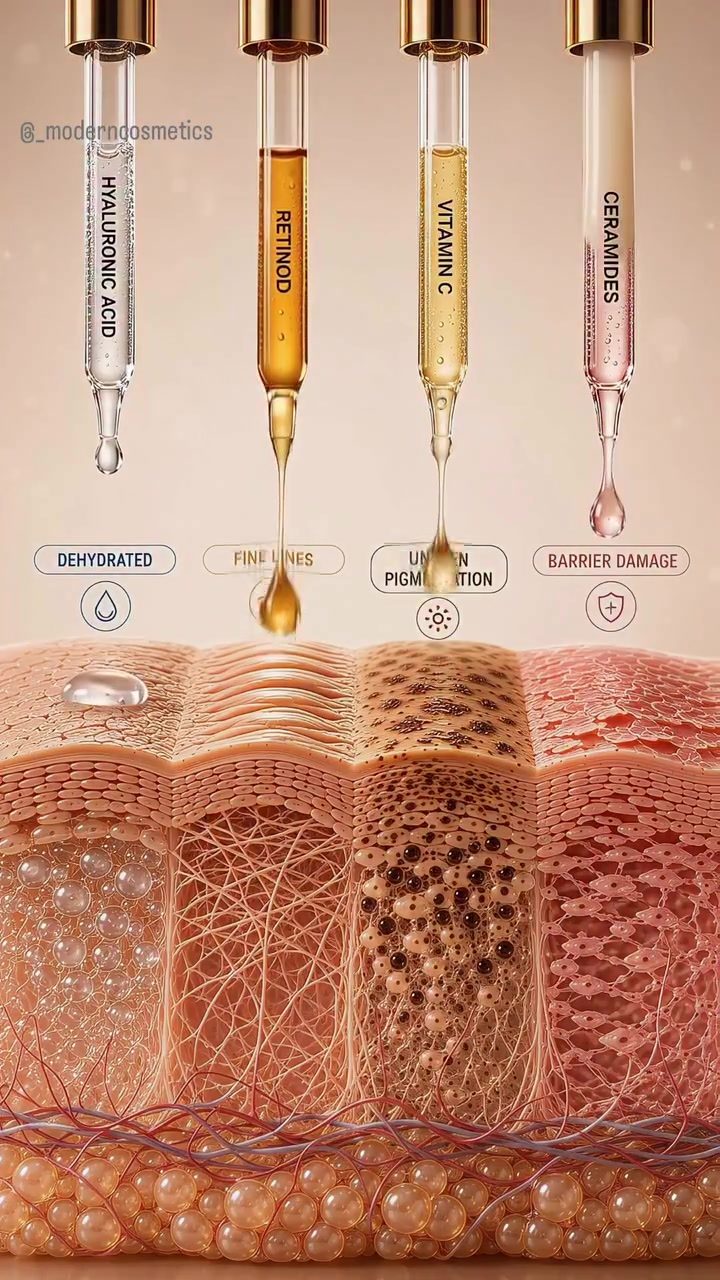
Serums and Skin Concerns
Understanding the unique needs of your skin is crucial for effective skincare, as different skin concerns require targeted approaches. Serums are potent solutions designed to address specific skin issues, from dehydration to uneven pigmentation. They are formulated with powerful ingredients that penetrate deeply, delivering concentrated doses of active compounds to tackle various skin concerns.
Why This Matters
The skin is the body's largest organ and serves as a protective barrier against external aggressors. Ensuring the skin is well-maintained and nourished helps preserve its health and vitality. Understanding the role of serums in addressing common skin concerns can help you build a more effective skincare routine, promoting healthier, more vibrant skin.
Common Skin Concerns and Their Solutions
Dehydration
Dehydrated skin lacks moisture and often feels tight, flaky, or dull. The primary cause is usually insufficient water intake or harsh environmental conditions. For those with dehydrated skin, seeking out serums containing hyaluronic acid is a great choice. Hyaluronic acid is known for its exceptional ability to hold onto water, making it an excellent hydrating agent. Applied topically, it attracts and retains moisture in the skin, helping to plump and smooth its appearance.
Fine Lines
Fine lines are a common sign of aging, often appearing around the eyes, mouth, and forehead. These lines are the result of the skin's natural loss of collagen and elastin over time. Retinol, a derivative of vitamin A, is often used in skincare to combat fine lines. Retinols help stimulate collagen production, which smooths out the skin and reduces the appearance of fine lines, improving overall skin texture.
Uneven Pigmentation
Uneven pigmentation, or hyperpigmentation, occurs when certain areas of the skin produce excess melanin, leading to dark spots or patches. This condition can be caused by sun damage, hormonal changes, or inflammation. Vitamin C is a powerful antioxidant that helps to brighten the skin and even out pigmentation. It inhibits the production of tyrosinase, an enzyme involved in melanin production, and helps to fade dark spots, promoting a more uniform skin tone.
Barrier Damage
The skin barrier is a crucial layer that protects the skin from external irritants and keeps moisture locked in. When this barrier is compromised, the skin becomes more susceptible to damage and dehydration. Ceramides play a vital role in maintaining a healthy skin barrier. These lipids help to seal in moisture and reinforce the skin's protective layer, making it more resilient and better equipped to retain hydration.
Practical Tips
Identify Your Skin Concerns
The first step in selecting the right serum is identifying your primary skin concerns. Pay attention to how your skin feels and looks, and consider any changes that may indicate underlying issues. Consulting a skincare professional can also provide insight into your skin's specific needs.
Read Product Labels
When shopping for serums, always read the product labels. Look for active ingredients tailored to your skin concerns, such as hyaluronic acid for hydration, retinol for anti-aging, vitamin C for brightening, and ceramides for barrier support. Be wary of products with excessive fragrances, as these can irritate the skin and cause further damage.
Patch Test New Products
Before incorporating a new serum into your skincare routine, perform a patch test. Apply a small amount of the product to a discreet area, such as the inside of your elbow, and monitor for any adverse reactions over 24-48 hours. This step helps to ensure that the product is suitable for your skin and reduces the risk of irritation.
Build a Routine
Layering serums with other skincare products can enhance their effectiveness. Typically, serums are applied after cleansing and toning but before moisturizers and sunscreen. This allows the active ingredients to penetrate deeply and work effectively. Always follow the recommended application guidelines for optimal results.
Seek Professional Advice
Consulting a skincare professional can provide personalized recommendations tailored to your unique skin concerns. A professional can assess your skin's condition, recommend suitable serums, and help you build an effective skincare routine. They may also suggest other treatments or products that complement your serums.
Important Takeaways
Understanding the unique needs of your skin is essential for addressing specific concerns effectively. Serums are powerful tools in skincare, offering targeted solutions for a variety of issues. By identifying your skin concerns, reading product labels, and consulting with professionals, you can build a skincare routine that promotes healthier, more vibrant skin.
Conclusion
Serums play a vital role in addressing specific skin concerns, from dehydration to barrier damage. Hyaluronic acid, retinol, vitamin C, and ceramides are key ingredients that target these issues, providing solutions tailored to individual needs. By understanding your skin's unique requirements and selecting the right serums, you can enhance your skincare routine and achieve healthier, more radiant skin.
Questions readers ask
What are the best serums for skin hydration?
Serums containing hyaluronic acid are excellent for boosting skin hydration. These serums draw moisture to the skin, helping to plump and smooth the complexion. Look for products with a high concentration of hyaluronic acid for optimal results.
How do serums help with fine lines and wrinkles?
Serums targeting fine lines and wrinkles often contain ingredients like retinol, peptides, or vitamin C. These active compounds stimulate collagen production, enhancing skin elasticity and reducing the appearance of fine lines and wrinkles over time.
What are ceramide serums and who should use them?
Ceramide serums are designed to strengthen and repair the skin barrier. They are ideal for those with dry or sensitive skin, as ceramides help lock in moisture and protect the skin from external irritants.
Can serums improve uneven skin pigmentation?
Yes, serums with ingredients like vitamin C, niacinamide, or kojic acid can help improve uneven skin pigmentation. These serums work by inhibiting melanin production and promoting a more even skin tone.
What are the benefits of using serums with vitamin E?
Vitamin E serums offer powerful antioxidant benefits, helping to protect the skin from environmental damage and promote healing. They are also known for their moisturizing properties, making them a good choice for dry or damaged skin.
How do serums address specific skin concerns?
Serums are formulated with concentrated doses of active ingredients tailored to specific skin concerns. Whether you’re dealing with dehydration, fine lines, uneven pigmentation, or skin texture, there are serums designed to deliver targeted solutions for each issue.
Can serums be used with other skincare products?
Yes, serums can be integrated into your existing skincare routine. Typically, serums are applied after cleansing and toning but before moisturizing. This allows the active ingredients in the serum to penetrate deeply and work effectively.
Related deep dives
Similar reads based on topic and creator.

Recent articles
Fresh deep dives from the latest Reels we unpacked.




Comments
Be the first to comment.