Boeing 737 Emergency Landing: An Unprecedented Aviation Story
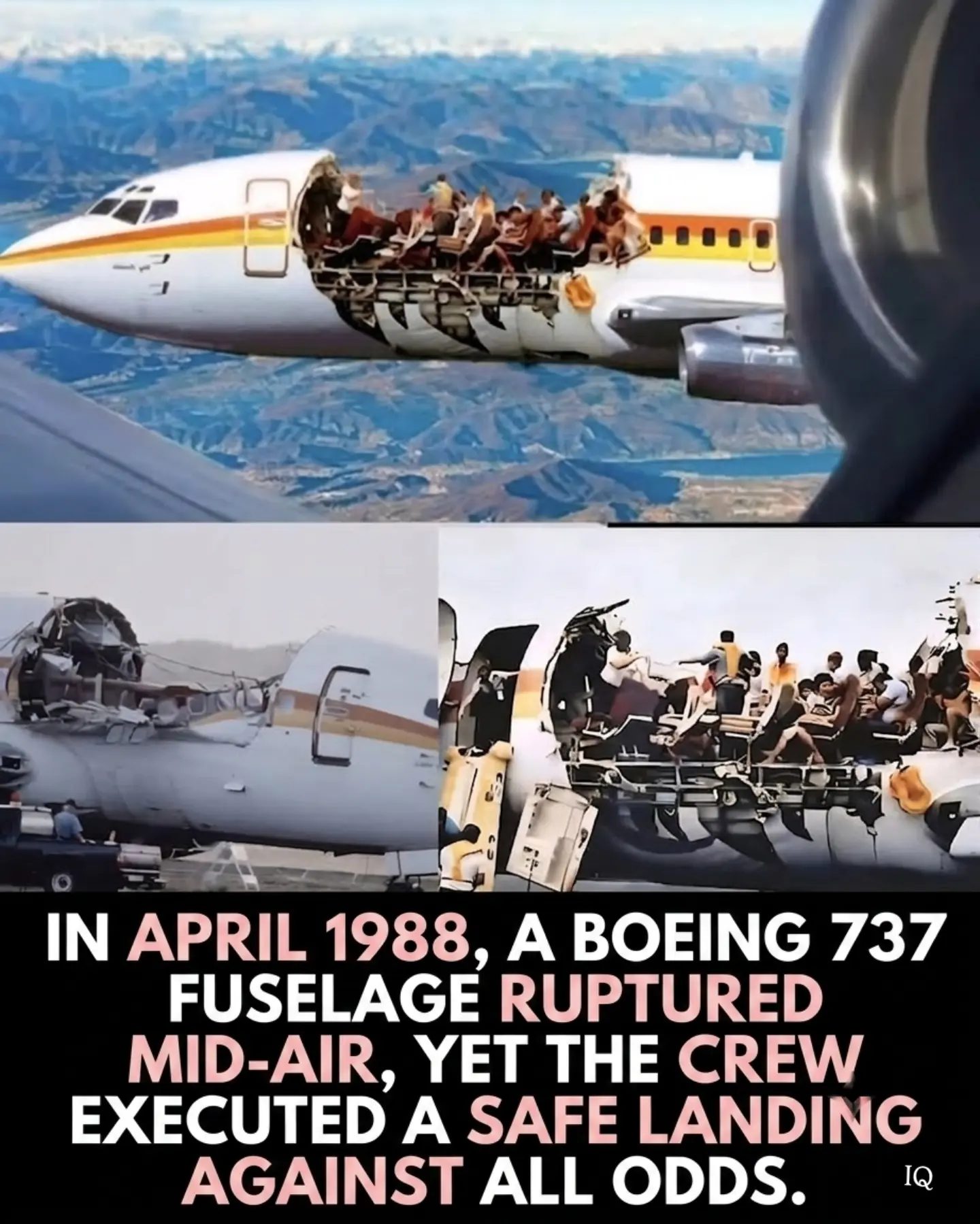
On April 28, 1988, Aloha Airlines Flight 243, a Boeing 737-200, took off from Hilo en route to Honolulu, Hawaii. The flight, which was carrying 89 passengers and crew, encountered a catastrophic event at 24,000 feet: an explosive decompression that tore away a large section of the upper fuselage. This catastrophic event led to an emergency landing, a story of human resilience and aviation expertise.
Why This Matters
The emergency landing of Aloha Airlines Flight 243 was unprecedented in aviation history. Its impact reverberated through the industry, fundamentally altering safety protocols and maintenance practices, thanks to lessons learned from this harrowing incident. This incident led to a rethinking of aviation safety and maintenance, globally.
The Incident
The Mid-Air Disaster
Aloha Airlines Flight 243 suffered a severe mid-air emergency when a large section of its upper fuselage tore away. This catastrophic event, known as explosive decompression, occurred at 24,000 feet. The rupture was catastrophic, but the crew's response was exemplary. Despite the loss of a senior flight attendant and the severe structural damage, the flight crew managed to maintain control of the aircraft. The crew's immediate actions and decisive maneuvers were critical in preventing the aircraft from breaking up mid-air.
The Safe Landing
The crew executed a successful emergency landing at Kahului Airport on Maui. This was no ordinary landing; it was a testament to the crew's skill, composure, and the aircraft's residual structural integrity. The landing was executed against all odds, and it resulted in the survival of 88 out of the 89 passengers and crew on board. The crew's actions in response to the fuselage rupture were marked by swift thinking and professionalism, ensuring that the plane stayed airborne and navigated to a safe landing site.
Investigation and Aftermath
The investigation into the incident revealed significant factors contributing to the fuselage failure. The primary causes were identified as:
Metal Fatigue and Stress Corrosion Cracking
The fuselage rupture was attributed to metal fatigue and stress corrosion cracking, exacerbated by an aging aircraft that had accumulated over 89,000 flight cycles. The Boeing 737-200 had been exposed to a harsh maritime environment, characterized by high humidity and salt air, which contributed to the deterioration of the aircraft's structural integrity.
Inadequate Maintenance Oversight
Inadequate maintenance oversight was also a critical factor. The aircraft had undergone numerous repairs and modifications over its lifespan, but the cumulative effects of these repairs and the harsh operating conditions were not adequately managed. This oversight highlighted the need for a more rigorous approach to aircraft maintenance and structural inspection.
Industry-Wide Reforms
The lessons from Aloha Airlines Flight 243 led to significant industry-wide reforms, aimed at enhancing aviation safety and maintenance practices:
Stricter Structural Inspection Protocols
The aviation industry implemented stricter structural inspection protocols, ensuring that aircraft are subjected to rigorous and regular checks. These protocols focus on identifying and addressing potential structural weaknesses, particularly in high-stress areas of the fuselage.
Mandatory Fatigue Monitoring Programs
Mandatory fatigue monitoring programs were introduced to track the lifecycle of aircraft components, ensuring that they are replaced or repaired before they reach critical fatigue levels. This proactive approach helps to prevent similar incidents by identifying and mitigating potential structural failures.
Enhanced Aging Aircraft Safety Regulations
Aging aircraft safety regulations were enhanced, mandating more frequent and comprehensive inspections, particularly for older aircraft operating in demanding environments. These regulations ensure that older aircraft are maintained to the highest safety standards, reducing the risk of structural failures and catastrophic events.
Practical Tips for Aviation Safety
The Aloha Airlines Flight 243 incident provides valuable lessons for enhancing aviation safety:
Regular and Thorough Inspections
Regular and thorough inspections of aircraft structures are crucial. This includes detailed checks for signs of metal fatigue, corrosion, and other structural weaknesses.
Proactive Maintenance
A proactive maintenance approach, where potential issues are identified and addressed before they become critical, is essential. This involves continuous monitoring and timely repairs or replacements of aircraft components.
Training and Preparedness
Training and preparedness of flight crews for emergency situations are vital. Regular training and drills help ensure that crews are ready to handle unexpected events, such as catastrophic structural failures, with composure and professionalism.
Environmental Considerations
Operating conditions, such as high humidity and salt air, can accelerate the deterioration of aircraft structures. It is essential to consider these environmental factors when planning maintenance schedules and structural inspections.
Important Takeaways
The Aloha Airlines Flight 243 incident underscores the importance of rigorous maintenance practices and thorough inspections. It serves as a stark reminder of the potential consequences of inadequate oversight and the critical role of crew preparedness and professionalism in managing aviation emergencies.
The incident also highlights the resilience of the aviation industry in learning from past mistakes and implementing comprehensive safety reforms. These reforms, including stricter inspection protocols and mandatory fatigue monitoring, have significantly enhanced aviation safety, making the skies safer for passengers and crew alike.
Conclusion
The emergency landing of Aloha Airlines Flight 243 is a remarkable story of human resilience and aviation expertise. It serves as a critical reminder of the importance of thorough maintenance, regular inspections, and the preparation of flight crews for unexpected emergencies. The industry's response to this incident has led to significant safety reforms, ensuring that similar incidents are less likely to occur. The legacy of this event continues to shape aviation safety practices, making the skies safer for everyone.
Questions readers ask
What caused the catastrophic event on Aloha Airlines Flight 243?
The catastrophic event on Aloha Airlines Flight 243 was caused by an explosive decompression that resulted from metal fatigue in the aircraft's fuselage. The fuselage had developed numerous stress cracks due to the repeated cycles of pressurization and depressurization, ultimately leading to a large section tearing away from the plane.
How did the crew respond to the emergency?
The crew responded with remarkable heroism and expertise. Despite the sudden and severe decompression, the crew managed to maintain control of the aircraft, navigate it safely back to Honolulu, and execute a successful emergency landing. Their actions were crucial in saving the lives of the passengers and crew on board.
What changes were made to aviation safety protocols following this incident?
The 1988 mid-air emergency led to significant changes in aviation safety protocols, including more stringent inspections for aging aircraft, improved maintenance practices, and enhanced protocols for detecting and addressing structural fatigue. These changes aimed to prevent similar incidents and ensure the safety of all passengers and crew.
How did the incident affect the aviation industry's understanding of aircraft aging?
The incident highlighted the risks associated with aging aircraft and the importance of regular, thorough inspections. It led to a greater emphasis on understanding and addressing structural fatigue, which is the weakening of materials over time due to repeated stress and strain.
What was the significance of the emergency landing in aviation history?
The 1988 emergency landing of Aloha Airlines Flight 243 is considered one of the most significant events in aviation history. It demonstrated the importance of crew training and expertise, as well as the need for improved safety protocols and maintenance practices, setting new standards for the industry.
Recent articles
Fresh deep dives from the latest Reels we unpacked.




Comments
Be the first to comment.