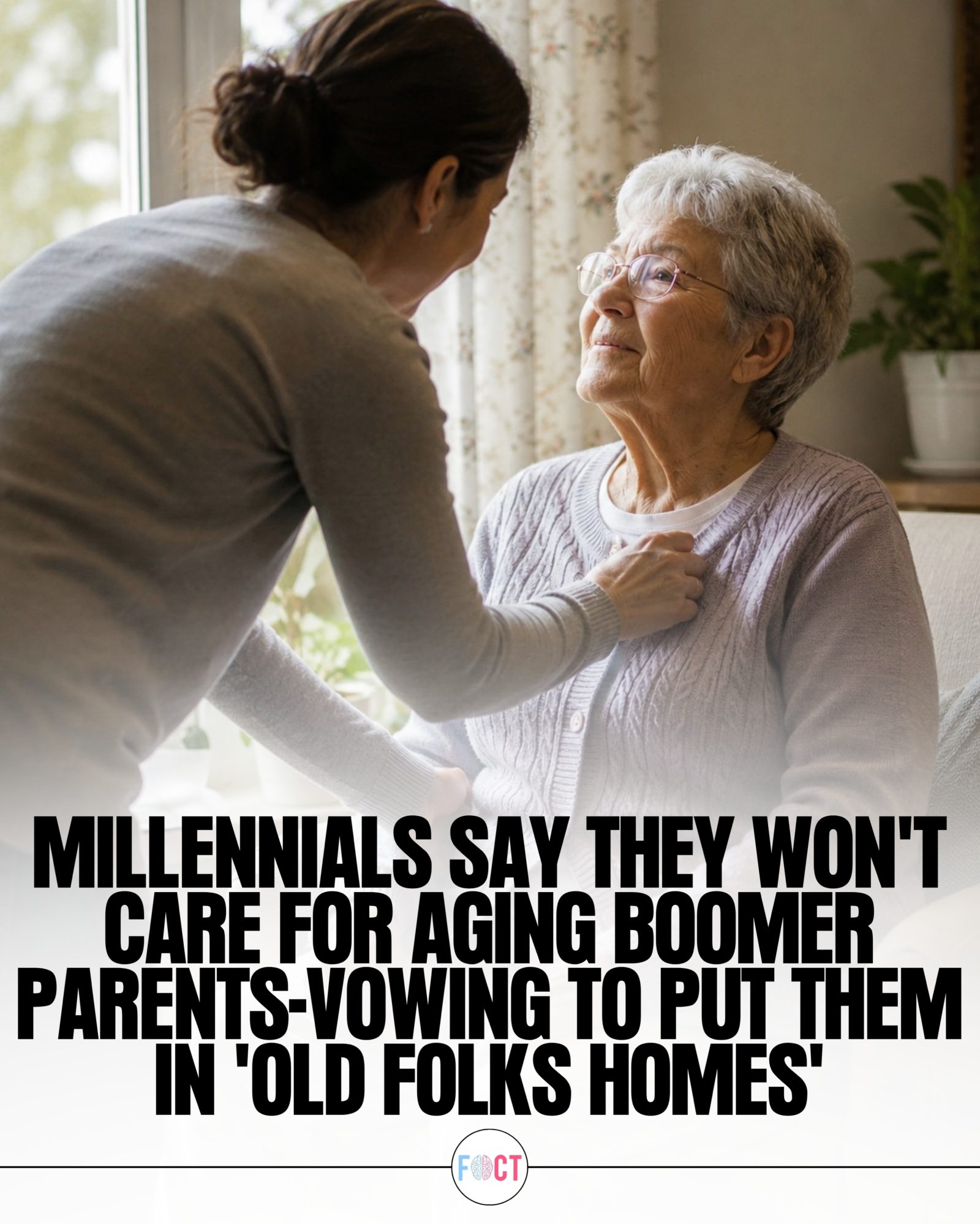
Caring for Aging Baby Boomers: Shifting Attitudes in Elder Care
A growing number of millennials are rethinking the traditional role of caring for their aging Baby Boomer parents. Many millennials now express a reluctance to become the primary caregivers for their parents, opting instead to consider assisted living or nursing homes. This shift is driven by a range of factors, including financial stress, burnout, housing costs, and complex family dynamics.
Context / Why this matters
The trend towards assisted living and nursing homes reflects a broader societal change. As life expectancies increase, the demands on elder care are evolving. This shift implicates not just the immediate family, but also the healthcare system and long-term care facilities. Understanding these evolving attitudes can help families, policymakers, and healthcare providers prepare for the future needs of an aging population.
Main discussion
The Financial Burden of Caregiving
One of the primary reasons millennials are hesitant to take on the role of primary caregiver is the financial strain it entails. Raising a family, managing a home, and covering the cost of living are already considerable expenses. Adding the costs associated with elder care—such as medical bills, transportation, and daily living expenses—can be overwhelming. Many millennials are already grappling with significant debt, including student loans and mortgages, making the financial burden of caregiving even more daunting.
Burnout and Housing Costs
Caring for an aging parent is a time-consuming and emotionally taxing responsibility. Millennials, who are often balancing careers, child-rearing, and other commitments, find it particularly challenging. The constant demand for care can lead to burnout, which affects not only the caregiver but also their ability to provide quality care. Additionally, housing costs present a significant barrier. Many millennials live in areas where housing is expensive, and accommodating an aging parent may require additional space or modifications that are financially unfeasible.
Complex Family Dynamics
Family relationships can be intricate and fraught with emotional challenges. Difficult family dynamics can complicate the decision to take on the role of primary caregiver. Some millennials may have strained relationships with their parents, making the prospect of caregiving emotionally taxing. Others may have siblings who are unwilling or unable to share the responsibility, leading to a situation where one individual feels burdened with the entire care load.
The Role of Assisted Living and Nursing Homes
Assisted living and nursing homes offer professional care and support that many millennials feel they cannot provide. These facilities are equipped to handle the complex needs of aging individuals, from medical care to daily living assistance. For millennials, choosing these options can provide peace of mind, knowing their parents are in capable hands. Moreover, these facilities offer social engagement and community, which can be beneficial for the mental well-being of the aging population.
The Impact on Long-Term Care Facilities and the Healthcare System
The growing trend of millennials opting for assisted living and nursing homes could place additional pressure on long-term care facilities. As the demand for these services increases, facilities may struggle to meet the needs of an aging population. This surge in demand could lead to increased waitlists, higher costs, and potential staffing shortages. The healthcare system will also feel the strain, as more elderly individuals require specialized medical care and services.
Practical tips
Exploring Financial Assistance
Millennials considering caregiving for their aging parents should explore financial assistance options. Government programs, such as Medicaid, provide support for long-term care costs. Additionally, there are non-profit organizations and community resources available to help offset the financial burden. Seeking financial advice and planning can make the decision more manageable.
Building a Support Network
Caring for an aging parent can be isolating. Building a support network of friends, family, and community resources can provide emotional and practical help. Joining caregiver support groups and using respite care services can offer much-needed breaks and emotional support.
Planning Ahead
Planning ahead is crucial. Having open conversations with parents about their wishes and needs can help families make informed decisions. Discussing options like assisted living, nursing homes, or in-home care early on can alleviate stress and ensure that everyone's needs are met.
Important Takeaways
The shift in millennials' attitudes towards caregiving for their aging Baby Boomer parents is a multifaceted issue driven by financial, emotional, and practical factors. This trend highlights the need for comprehensive support systems and assistance for caregivers, as well as long-term care facilities. As the population ages, addressing these challenges will be essential to ensure the well-being of both caregivers and their elderly family members.
Conclusion
The changing landscape of elder care reflects broader societal shifts and the evolving needs of a growing elderly population. Addressing the financial, emotional, and practical challenges of caregiving will require a collective effort from families, policymakers, and healthcare providers. By understanding the complexities and preparing for the future, we can create a more supportive and sustainable care system for all.
Questions readers ask
Why are millennials reconsidering taking on the role of primary caregiver for their aging Baby Boomer parents?
Millennials are facing a unique set of challenges, including financial stress, high housing costs, and the demands of balancing multiple responsibilities. These factors are leading many to reassess their ability to provide full-time care for their aging parents, prompting a shift towards assisted living or nursing homes.
What are some alternatives to millennials taking on the role of primary caregiver for their aging Baby Boomer parents?
As millennials reinterpret traditional caregiving roles, assisted living facilities and nursing homes have become viable alternatives to millennials taking on the role of primary caregiver. These options can provide specialized care and support for aging parents, while offering millennials peace of mind and some respite from caregiving responsibilities.
How does caregiver burnout impact millennials' decisions regarding their aging parents' care?
Caring for aging parents can be physically and emotionally demanding, often leading to caregiver burnout. This exhaustion can negatively impact a millennial's personal and professional life, making it difficult to maintain the quality of care their parents need. Recognizing this, many millennials are opting for assisted living or nursing homes to ensure their parents receive consistent, professional care.
What are some key factors driving the increase in assisted living and nursing home placements among Baby Boomers?
The shift towards assisted living and nursing homes is driven by millennials' financial stress, housing costs, and complex family dynamics. Additionally, the increasing life expectancies and evolving healthcare needs of aging Baby Boomers are contributing to this trend. These factors are reshaping the way families approach elder care, prioritizing the well-being of both the aging parents and their millennial caregivers.
How does the generation gap affect millennials' attitudes towards caring for their aging Baby Boomer parents?
The generation gap between millennials and their Baby Boomer parents plays a significant role in shaping millennials' care attitudes. Many millennials have grown up in a different cultural and economic landscape, leading to different expectations and priorities. This generation gap can influence millennials' decisions to pursue alternative care options for their aging parents, such as assisted living or nursing homes, rather than taking on the traditional caregiving role.
Recent articles
Fresh deep dives from the latest Reels we unpacked.




Comments
Be the first to comment.