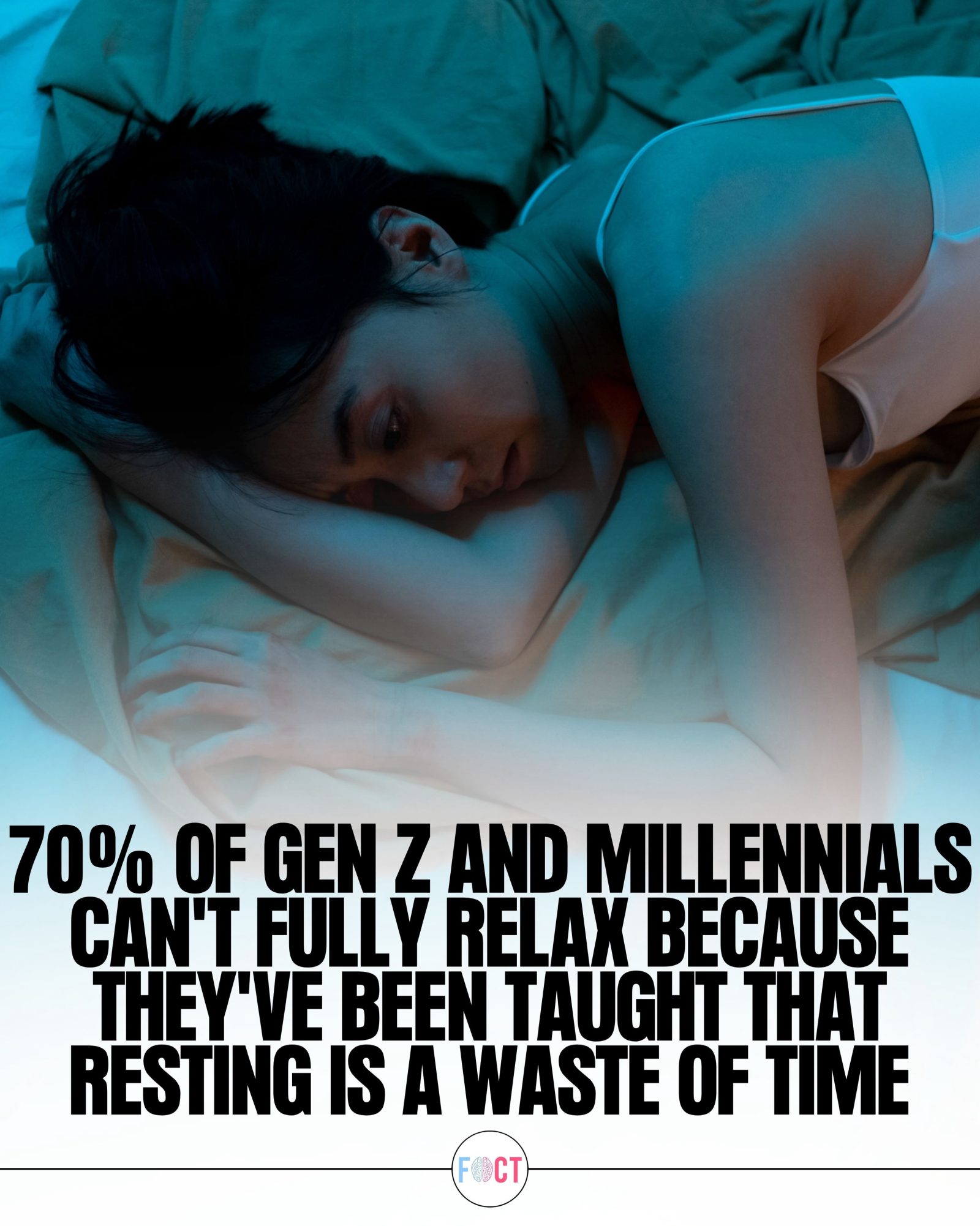
Millennial and Gen Z Stress: The Pressure to Be Productive
Modern culture often glorifies busyness and productivity, and this mindset can have a profound impact on many individuals' stress and mental health. In fact, many people from Generation Z and the millennial generation struggle with the idea of resting, often feeling guilty when they aren't being productive. This is a stark contrast to the laid-back lifestyle many older generations may have been accustomed to.
This issue is not just a minor inconvenience—it can lead to serious mental health issues, including chronic stress, anxiety, and burnout. In order to understand and address this problem, it's crucial to examine the underlying factors that contribute to it. By acknowledging the negative consequences of this cultural pressure, we can take steps to promote a healthier, more balanced approach to life.
Why This Matters
Relaxation and rest are not just luxuries; they are essential components of a healthy lifestyle. When many people struggle to fully relax, it can have serious consequences for their physical and mental well-being. The constant pressure to be productive can lead to chronic stress, which in turn can contribute to a range of health issues, including heart disease, high blood pressure, and weakened immune system. It can also take a toll on mental health, leading to anxiety, depression, and burnout.
It's important to challenge the idea that resting is a waste of time. In reality, rest and relaxation are vital for recovery, stress regulation, and maintaining mental health. By understanding the impact of chronic stress and the importance of rest, we can make significant improvements in our overall well-being.
Understanding the Pressure to Be Productive
The Role of Social Media and Hustle Culture
Social media and hustle culture are major contributors to the constant feeling of needing to be productive. Platforms like Instagram and TikTok are filled with content that glorifies busy schedules, constant work, and the idea of optimizing every moment. This constant stream of images and videos can lead to feelings of inadequacy and anxiety, as individuals compare their own lives to the seemingly perfect, productive lives they see online.
Hustle culture takes this a step further, often promoting the idea that one's worth is tied to their productivity. This mindset can be particularly harmful, as it creates a constant pressure to be doing something productive at all times. This can lead to chronic stress, burnout, and an inability to truly relax and recharge.
The Impact of Self-Improvement Content
Self-improvement content is another significant factor. This type of content often emphasizes the importance of constant self-improvement and productivity. Whether it's articles, podcasts, or videos, self-improvement content can reinforce the idea that relaxation is a waste of time and that every moment should be spent on self-improvement.
The problem with this mindset is that it can create a constant state of dissatisfaction. It encourages individuals to constantly strive for more, never feeling satisfied with their current achievements. This can lead to chronic stress and anxiety, as individuals feel like they are always falling short of their goals.
How the Brain Responds to Constant Pressure
The brain is a complex and powerful organ, and it can be profoundly affected by the constant pressure to be productive. In particular, chronic stress can have serious consequences for mental health. When the brain is constantly in a state of stress, it can lead to a range of issues, including anxiety, depression, and burnout.
Chronic stress can also disrupt the brain's natural processes, making it more difficult to relax and recover. This can create a vicious cycle, where individuals feel like they need to be constantly productive to avoid feeling guilty, but this constant productivity leads to chronic stress, which in turn makes it more difficult to relax.
Practical Tips
Understanding the impact of constant pressure to be productive is just the first step. The next step is taking practical measures to address it. Here are a few tips that can help you break the cycle and promote a healthier, more balanced approach to life.
Set Boundaries
One of the most effective ways to combat the constant pressure to be productive is to set boundaries. This can mean setting specific work hours and sticking to them, or it can mean designating specific times for relaxation and self-care. Whatever form it takes, setting boundaries can help you create a healthier, more balanced approach to life.
Practice Mindfulness
Mindfulness is a powerful tool for promoting relaxation and reducing stress. By focusing on the present moment and practicing mindfulness, you can train your brain to relax and let go of the constant pressure to be productive. This can be as simple as taking a few deep breaths and focusing on your breath, or it can involve more structured practices like meditation or yoga.
Cultivate a Positive Self-Image
A positive self-image can be a powerful defense against the constant pressure to be productive. By cultivating a positive self-image and recognizing your worth beyond your productivity, you can resist the negative effects of hustle culture and social media. This can mean practicing self-compassion, focusing on your strengths, and celebrating your achievements, no matter how small.
Seek Support
If you're feeling overwhelmed by the constant pressure to be productive, don't hesitate to seek support. This can mean talking to a therapist, joining a support group, or simply reaching out to friends and family. Having a support system can provide you with the tools and resources you need to address the issue and promote a healthier, more balanced approach to life.
Important Takeaways
The pressure to always be productive is a serious issue that can have a significant impact on mental health and well-being. By acknowledging the impact of social media, hustle culture, and self-improvement content, we can start to address the underlying factors that contribute to it.
It's crucial to understand that relaxation and rest are not luxuries, but essential components of a healthy lifestyle. By setting boundaries, practicing mindfulness, cultivating a positive self-image, and seeking support, we can promote a healthier, more balanced approach to life and overcome the constant pressure to be productive.
Conclusion
In the modern world, the pressure to always be productive can have a profound impact on mental health and well-being. By understanding the impact of social media, hustle culture, and self-improvement content, we can start to address the underlying factors that contribute to it. By taking practical steps to promote a healthier, more balanced approach to life, we can overcome the constant pressure to be productive and promote a healthier, more balanced approach to life.
Questions readers ask
Why do millennials and Gen Z feel guilty when they take time to rest?
Millennials and Gen Z often feel guilty when resting due to the pervasive culture that glorifies busyness and productivity. This constant pressure, amplified by social media, creates a sense of obligation to always be productive, making relaxation feel indulgent or unproductive.
How does social media contribute to the constant productivity pressure?
Social media often showcases the highlight reels of others' lives, making it seem like everyone is constantly productive or achieving great things. This can lead millennials and Gen Z to compare their own lives unfavorably, exacerbating feelings of inadequacy and the need to constantly prove their worth through productivity.
What are some signs of burnout in millennials and Gen Z?
Burnout in millennials and Gen Z can manifest as chronic stress, anxiety, exhaustion, and a sense of detachment from work or daily activities. Other signs include decreased productivity, irritability, and a lack of motivation or interest in tasks that were once enjoyable.
What can millennials and Gen Z do to combat the pressure of constant productivity?
To combat this pressure, millennials and Gen Z can start by setting boundaries and prioritizing self-care. This might include scheduling regular breaks, engaging in hobbies or relaxation techniques, and challenging the cultural narrative that values busyness above all else. It's also helpful to seek support from peers, mentors, or professionals who can provide guidance and encouragement.
How can friends and family support millennials and Gen Z in managing this pressure?
Friends and family can support millennials and Gen Z by encouraging open conversations about these issues and validating their feelings. They can also model healthy habits, promote the importance of rest, and remind them that productivity is not the sole measure of one's worth. Offering help with tasks or providing a listening ear can also make a significant difference.
What are some relaxing activities that millennials and Gen Z can do instead of working?
There are many relaxing activities that millennials and Gen Z can engage in instead of working, such as reading for pleasure, practicing mindfulness or meditation, spending time in nature, engaging in creative hobbies like painting or writing, or simply spending quality time with loved ones. The key is to find activities that bring joy and relaxation, rather than adding to the sense of obligation.
Related deep dives
Similar reads based on topic and creator.




Recent articles
Fresh deep dives from the latest Reels we unpacked.




Comments
Be the first to comment.