Clavicular's Arrest Incident in Miami: A Closer Look
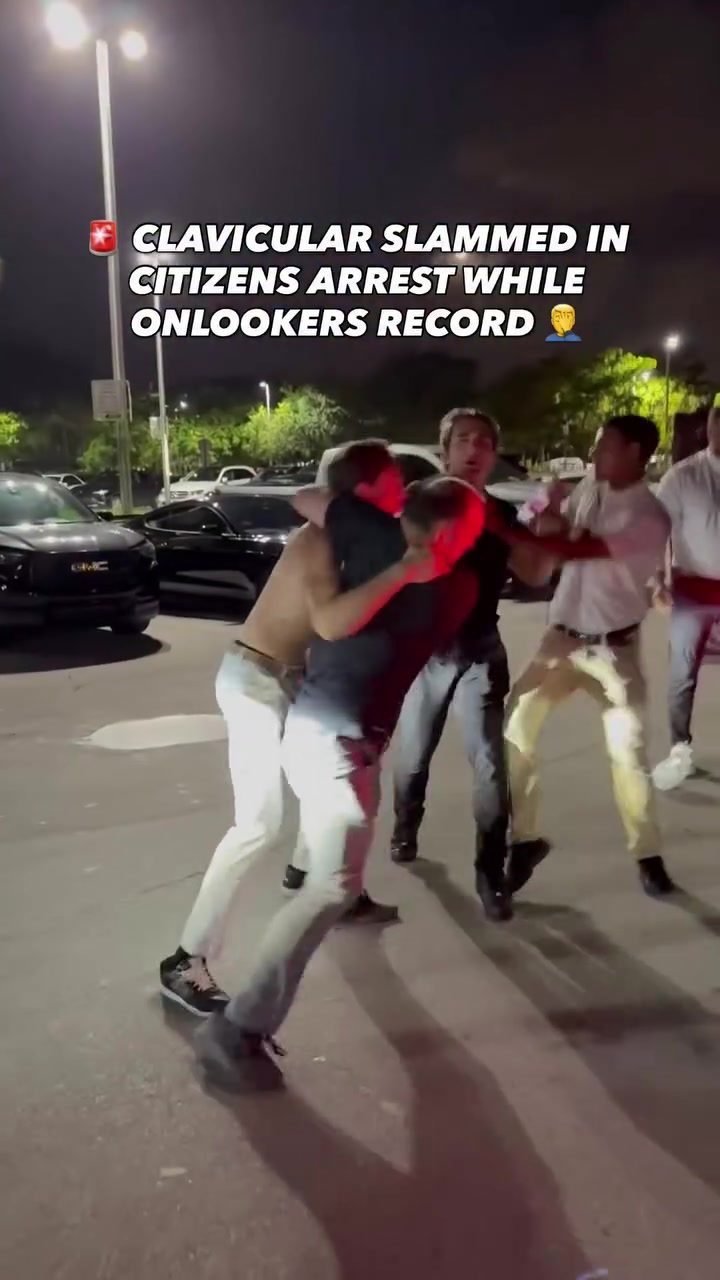
An incident involving a physical altercation and arrest outside a Miami club has sparked conversations about what constitutes a crime, the role of bystanders, and the nature of citizen’s arrest. Streamer Clavicular was involved in a fight inside a Miami club, which escalated into a chaotic scene in the parking lot. Security forces chased him down, slammed him to the ground, and held him under what they claimed to be a “citizen’s arrest.”
Why This Matters
This incident raises important questions about public safety, the role of bystanders, and the legal implications of citizen’s arrest. It also highlights the prevalence of recording such incidents and the bystander effect, where individuals are less likely to intervene in emergencies when others are present.
The Incident: A Breakdown
The Fight and the Chase
Clavicular, a streamer, was involved in a fight inside a Miami club. Security forces tracked him down in the parking lot, where the situation escalated into a physical altercation. He was slammed to the ground and held down by a group of individuals who claimed to be carrying out a citizen’s arrest.
The overwhelming number of bystanders who were present during the incident stood by, recording the event rather than intervening.
The Citizen’s Arrest
During the incident, several individuals repeatedly shouted, "You are under citizen’s arrest!" This concept, while legally recognized, is often misunderstood and can lead to complications if not executed properly.
In Florida, citizen’s arrest is permitted under specific conditions. According to Florida Statute 776.012, a citizen can arrest another person if they have probable cause to believe the person committed a felony or a breach of the peace. However, the individual must use reasonable force and be prepared to justify the arrest. The use of excessive force, such as the clavicular slam in this case, can invalidate the arrest and result in legal consequences for those involved.
The Role of Bystanders
The bystanders played a significant role in the incident. Instead of attempting to intervene, they were more focused on recording the event, which is a phenomenon known as the bystander effect. This effect occurs when the presence of others inhibits an individual's willingness to help a victim in need.
Psychological research has shown that the bystander effect is exacerbated in larger groups, where individuals feel less personal responsibility to act. The presence of numerous phones recording the incident suggests that the bystanders prioritized documenting the event over ensuring the safety of the individuals involved.
Practical Tips on Handling Such Incidents
Stay Calm and Remove Yourself from Danger
The first and foremost priority in any situation of violence is to ensure your own safety. If you witness a fight, try to stay calm and remove yourself from the immediate danger.
If you must intervene, try to do so without putting yourself or others at risk. Calling the authorities to the scene is a safer and more effective way to handle the situation.
Understand the Legal Implications of Citizen’s Arrest
If you choose to intervene, it’s crucial to understand the legal implications of citizen’s arrest. Use only reasonable force and be prepared to justify your actions. Excessive force, such as the use of a clavicular slam, can lead to serious legal consequences and damage your credibility.
Document the Incident, but Don’t Become a Spectator
Documenting the incident can provide valuable evidence for legal proceedings, but it’s essential not to become a passive spectator. If you see someone in genuine distress or a situation that could escalate further, try to assist in a constructive way.
Important Takeaways
Bystander Intervention is Crucial
While the bystander effect is a well-documented phenomenon, bystander intervention can make a significant difference. Intervention doesn’t always mean directly engaging in the fight but could involve calling the authorities or providing first aid if needed.
The Need for Proper Training
The concept of citizen’s arrest is often misunderstood, leading to improper and excessive use of force. Proper training and awareness can help individuals understand their rights and responsibilities when intervening in such situations.
Legal Consequences of Excessive Force
The use of excessive force during a citizen’s arrest can have serious legal consequences. It is important to use only reasonable force and be prepared to justify your actions. The legality of a citizen’s arrest depends on the circumstances and the level of force used.
Conclusion
The incident involving Clavicular and the subsequent citizen’s arrest outside a Miami club highlights important issues surrounding public safety, bystander intervention, and the legal implications of citizen’s arrest. The bystander effect, where individuals are less likely to intervene in emergencies when others are present, was prevalent in this incident. Understanding the legal implications and proper procedures for citizen’s arrest is crucial for ensuring public safety and preventing further escalation of such incidents.
By staying informed and prepared, individuals can play a more active role in ensuring the safety of others and contributing to a more responsible and empathetic society.
Questions readers ask
What is a citizen's arrest and when can it be applied?
A citizen's arrest occurs when a private person detains someone they reasonably believe has committed a crime. It can be applied when a crime is committed in the person's presence or when a felony has been committed, and the person has probable cause to believe the suspect is involved in the crime.
What are the responsibilities of bystanders during public altercations?
Bystanders have a moral and sometimes legal responsibility to intervene in public altercations, especially when there is a risk of harm to others. They should prioritize safety by calling law enforcement and providing accurate information. However, they should avoid directly intervening unless it is safe to do so.
What are the legal implications of a citizen's arrest?
Legal implications of a citizen's arrest include potential liability if the arrest is done improperly, such as using excessive force or detaining the wrong person. The person making the arrest must have a reasonable belief that a crime has been committed and should not use more force than necessary to detain the suspect until law enforcement arrives.
How does the prevalence of recording incidents affect bystanders and legal outcomes?
The prevalence of recording incidents can influence bystander intervention and legal outcomes by providing evidence of the events. Recordings can offer clarity on the sequence of events, the actions of individuals involved, and the appropriateness of any citizen's arrest. This visual evidence can be crucial in court cases or internal reviews.
What should one do if they witness a citizen's arrest?
If you witness a citizen's arrest, it is important to remain calm and observe the situation from a safe distance. Record the incident if possible, and provide clear and accurate information to law enforcement when they arrive. Avoid interfering with the arrest unless it is clear that the person making the arrest is acting unlawfully or using excessive force.
What are the key points to consider in the Clavicular's Miami arrest debate?
Key points in the Clavicular's Miami arrest debate center around the legality of the citizen's arrest, the appropriateness of the security forces' actions, and the responsibilities of bystanders. The incident also raises questions about the potential for misconduct in public altercations and the importance of clear guidelines for citizen's arrests.
Recent articles
Fresh deep dives from the latest Reels we unpacked.




Comments
Be the first to comment.