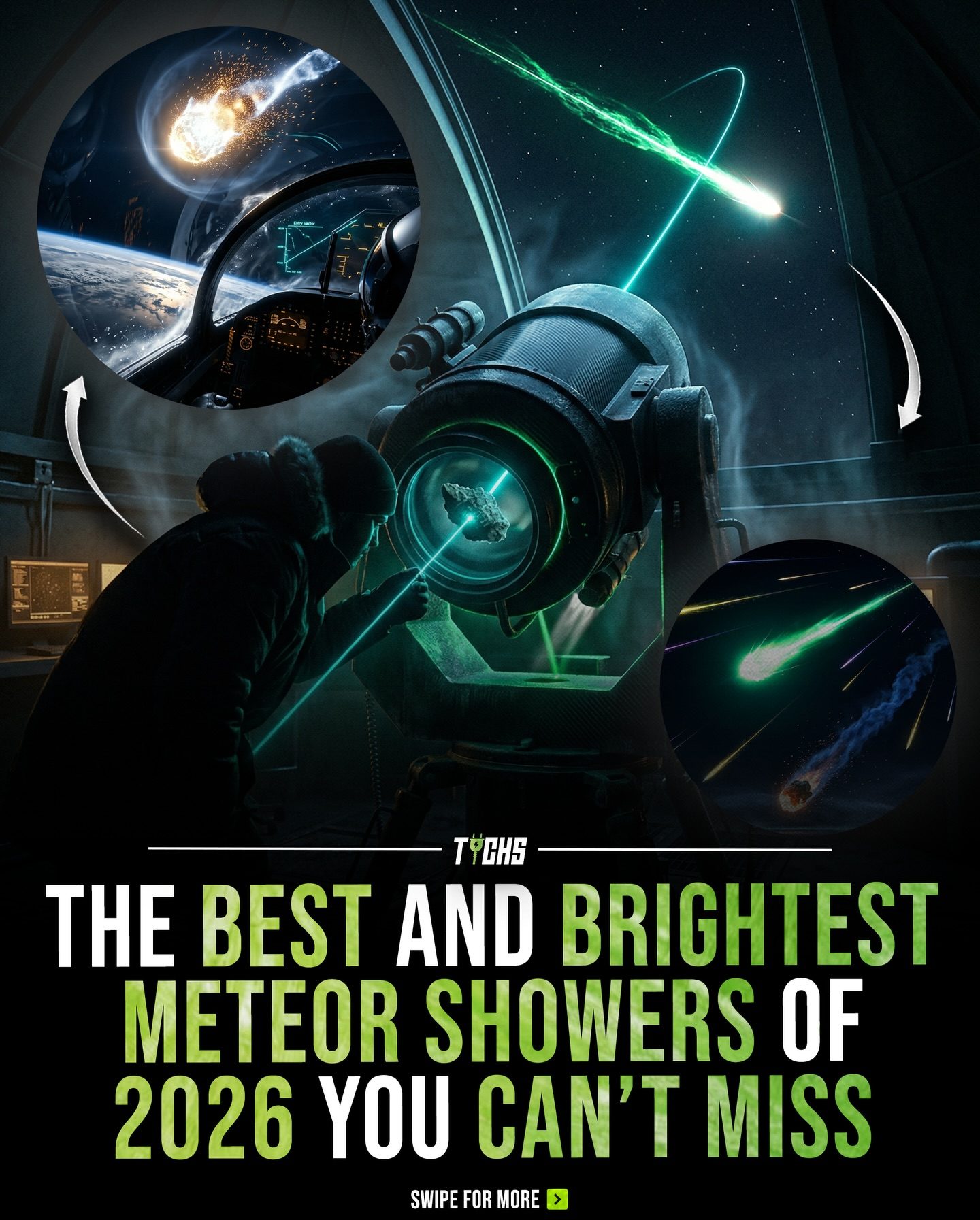
Meteor Showers of 2026
The night skies of 2026 are set to be illuminated by some of the most dazzling meteor showers ever seen. Whether you're an avid astronomer or a casual stargazer, mark your calendars for these celestial events that promise bright streaks and high meteor rates. Here are the most notable meteor showers to look out for: the Delta Aquariids, the Perseids, the Leonids, and the Geminids.
Why This Matters
These meteor showers are more than just beautiful sights; they offer unique opportunities for skywatchers to observe celestial phenomena and even capture stunning images. Understanding when and where to look for these events can enhance your viewing experience and appreciation for the cosmos.
Main Discussion
Delta Aquariids
The Delta Aquariids meteor shower runs from July to August, with its peak activity occurring around July 30th. This shower is best viewed after midnight and is known for its steady rate of meteors, typically around 15–20 per hour at its peak. The meteors appear to radiate from the constellation Aquarius, making it a perfect event for those who enjoy observing the skies during the summer months.
Perseids
The Perseids are one of the most popular meteor showers of the year, peaking on August 13th. Known for their fast, bright meteors, the Perseids are visible across the sky and are best seen in the pre-dawn hours. This shower can produce up to 100 meteors per hour at its peak, providing an excellent opportunity for skywatchers to witness a spectacular display.
Leonids
The Leonids meteor shower peaks on November 17th, offering moderate activity from the Leo constellation. This shower is known for its periodic outbursts, which can produce hundreds of meteors per hour. While the Leonids are not as frequent as some other showers, they are still a highlight of the autumn sky, with meteors often leaving persistent trails.
Geminids
The Geminids are often considered one of the most powerful and reliable meteor showers, peaking on December 14th. This shower produces up to 150 meteors per hour, making it a must-see event for any stargazer. The Geminids are known for their multicolored meteors, which can produce a stunning display in the night sky.
Unique Events
If you're looking for something different, TYCHS also highlights unique astronomical events that you won't find anywhere else. These events offer a deeper dive into the cosmos and provide opportunities for more specialized observations.
Practical Tips
Best Viewing Conditions
To get the most out of these meteor showers, find a dark location away from city lights. Bring a comfortable chair, warm clothes, and a blanket to keep you cozy as you gaze at the stars. Allow your eyes to adjust to the darkness for about 20 minutes to enhance your ability to see the meteors.
Equipment
While the naked eye is sufficient for observing meteor showers, a pair of binoculars or a telescope can enhance your experience. These tools can help you see the meteors more clearly and provide a closer look at the stars and constellations.
Photography
Capturing the beauty of a meteor shower on camera can be a rewarding experience. Use a tripod to keep your camera steady and a long exposure setting to capture the streaks of light. Experiment with different settings to find the best way to capture the meteors.
Important Takeaways
- Plan Ahead: Know the peak dates and times for each meteor shower to ensure you don't miss out.
- Find a Dark Spot: Get away from city lights for the best viewing experience.
- Be Patient: Meteor showers can be unpredictable, so be prepared to wait and enjoy the night sky.
- Use Equipment: Binoculars or a telescope can enhance your viewing and photography experience.
Conclusion
The meteor showers of 2026 offer a fantastic opportunity to witness some of the most spectacular celestial events of the year. Whether you're a seasoned astronomer or a casual observer, these displays will provide a memorable experience. So mark your calendars, find a dark spot, and get ready to be amazed by the wonders of the night sky.
Questions readers ask
When are the Delta Aquariids meteor showers in 2026?
The Delta Aquariids are expected to peak in late July 2026. This shower is known for its long duration, typically lasting from mid-July to mid-August, providing ample opportunities for viewing.
What makes the Perseids meteor shower in 2026 special?
The Perseids, peaking in August 2026, are renowned for their high rate of bright meteors. This shower is one of the most anticipated events of the year, with up to 100 meteors per hour at its peak, creating spectacular fireballs.
Why should I watch the Leonids in 2026?
The Leonids in November 2026 are notable for their potential to produce impressive displays, including fireballs and meteors with persistent trains. Viewing conditions can vary, but when conditions are right, this shower can be as impressive as the Perseids.
What can I expect from the Geminids in 2026?
The Geminids, peaking in December 2026, are known for their reliable and intense displays. With up to 120 meteors per hour at their peak, the Geminids offer a fantastic viewing experience, with the added benefit of dark skies during the winter months.
What is the best way to view meteor showers in 2026?
For optimal viewing, find a dark sky location away from city lights. Bring a comfortable chair or blanket, dress warmly, and be prepared to spend a few hours outside. Allow your eyes to adjust to the darkness for better meteor visibility.
What should I do if I miss the peak of a meteor shower in 2026?
Meteor showers often have a broad period of activity around their peak. If you miss the peak, you can still see meteor activity in the nights leading up to and following the peak, though the rates will be lower.
Which meteor showers in 2026 are best for capturing images?
The Perseids and Geminids are particularly well-suited for astrophotography due to their high meteor rates and bright fireballs. Using a tripod-mounted camera with long exposures can help capture stunning images of these celestial events.
Related deep dives
Similar reads based on topic and creator.




Recent articles
Fresh deep dives from the latest Reels we unpacked.




Comments
Be the first to comment.