Lightning Strike Statistics: Understanding the Risks
Lightning strikes are powerful and unpredictable natural phenomena that can pose significant risks to human life. Understanding the statistics behind these strikes is crucial to staying safe and aware. One of the intriguing facts about lightning strikes is the difference in the likelihood of men and women being affected. Let's delve into what these statistics mean.
Why This Matters
Before diving into the specifics, it’s important to understand the broader implications of lightning strike statistics. Lightning can cause severe injuries and even fatalities, making it a critical topic for public safety. Knowing who is at higher risk helps in developing targeted safety measures and awareness campaigns.
Main Discussion
Gender Distribution of Lightning Strikes
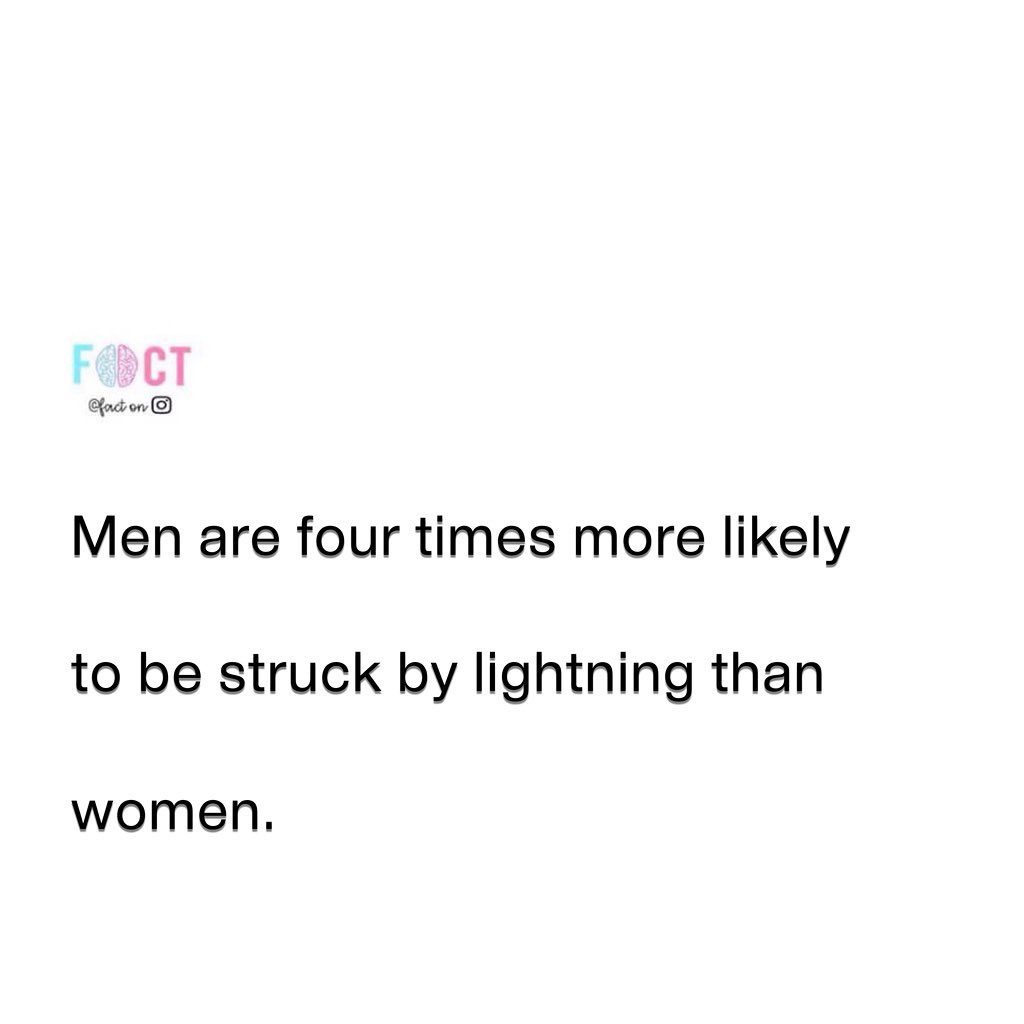
The striking fact highlighted is that men are four times more likely to be struck by lightning than women. This disparity can be attributed to several factors, including behavioral differences and occupational exposure.
Behavioral Factors
Men and women often engage in different activities, some of which pose higher risks of being struck by lightning. For instance, men are more likely to participate in outdoor recreational activities such as fishing, golfing, and hiking, which can increase their exposure to thunderstorms. These activities, when combined with the unpredictability of lightning, can lead to higher risk levels.
Occupational Exposure
Occupational differences also play a significant role. Certain professions, such as construction, farming, and outdoor maintenance, have higher rates of lightning strikes due to the nature of the work. Men are more likely to be employed in these high-risk occupations, contributing to the increased likelihood of being struck by lightning.
Environmental Factors
Environmental conditions such as geographical location and weather patterns can also influence the risk of being struck by lightning. Certain regions are more prone to thunderstorms and lightning activity, which can further exacerbate the risk for those living or working in these areas.
Practical Tips
Staying Safe During Thunderstorms
While understanding the statistics is important, practical safety tips can help mitigate the risks associated with lightning strikes. Here are some key safety measures to keep in mind:
- Avoid Open Spaces: During a thunderstorm, avoid open fields, tall trees, and isolated structures. Seek shelter indoors immediately.
- Stay Inside: When indoors, avoid using electrical appliances and stay away from windows, doors, and metal objects.
- Avoid Water: Since water is a conductor, avoid taking baths, showers, or swimming during a thunderstorm.
- Park Inside: If you’re driving and caught in a storm, stay inside your vehicle. Avoid touching any metal parts of the car.
- Know the 30-30 Rule: If you see lightning, count to 30 seconds. If you hear thunder before you reach 30, go indoors. Stay indoors for 30 minutes after the last clap of thunder.
Emergency Preparedness
Being prepared for a lightning strike can make a significant difference. Make sure to have a first aid kit readily available with essentials like bandages, antiseptic wipes, and any necessary medications. Knowing basic first aid techniques can also be lifesaving in case of injuries.
Important Takeaways
Key Statistics
Men are four times more likely to be struck by lightning than women. This statistic underscores the importance of tailoring safety measures to high-risk groups and understanding the underlying factors that contribute to this disparity.
Risk Awareness
Understanding the risks associated with lightning strikes can lead to better personal safety and awareness. By being aware of the increased risk for men and the contributing factors, individuals and organizations can develop targeted safety measures.
Conclusion
Lightning strikes are a natural and unpredictable hazard, but understanding the statistics and taking appropriate precautions can significantly reduce the risk. While men are four times more likely to be struck by lightning, this knowledge can be used to create awareness and implement targeted safety measures. Whether it's through behavioral changes, occupational safety, or emergency preparedness, staying informed and vigilant is key to staying safe.
Questions readers ask
Why are men four times more likely to be struck by lightning than women?
Men are more likely to be struck by lightning due to differences in behavior and activities. This includes a higher frequency of outdoor activities during thunderstorms and increased occupational exposure to high-risk environments.
What are the key occupational hazards that increase a man's risk of being struck by lightning?
Certain occupations, such as construction, farming, and outdoor sports coaching, often involve working or playing in open areas, which can increase the likelihood of being struck by lightning. Understanding these hazards can help in implementing specific safety protocols.
How can men reduce their risk of being struck by lightning during outdoor activities?
Men can reduce their risk by monitoring weather forecasts, avoiding high-risk areas during thunderstorms, and seeking shelter immediately when thunder is heard. Additionally, staying indoors for at least 30 minutes after the last thunderclap can significantly decrease the risk.
What are the most common outdoor activities that put men at higher risk of lightning strikes?
Activities such as golf, fishing, and hiking, especially in open fields or near tall structures, can put men at higher risk. Engaging in these activities during thunderstorm warnings can increase the likelihood of being struck by lightning.
What safety measures can be implemented to reduce occupational lightning strike risks for men?
Employers can implement safety measures such as providing weather alerts, ensuring adequate shelter, and training employees on lightning safety protocols. Regular drills and clear communication about safety procedures can also help in reducing occupational risks.
Are there any specific lightning strike facts that men should be aware of to enhance their safety?
It is crucial for men to know that lightning can strike from as far as 10 miles away from a thunderstorm, and that rubber-soled shoes or tires do not provide complete protection. Additionally, staying low to the ground and avoiding water and metal objects can enhance safety during a lightning storm.
What are the key behavioral differences that contribute to the higher lightning strike risk for men?
Men are more likely to engage in high-risk behaviors during thunderstorms, such as continuing outdoor activities despite warnings, and may be more inclined to underestimate the danger posed by lightning. These behaviors can significantly increase the likelihood of being struck.
Related deep dives
Similar reads based on topic and creator.


Recent articles
Fresh deep dives from the latest Reels we unpacked.




Comments
Be the first to comment.