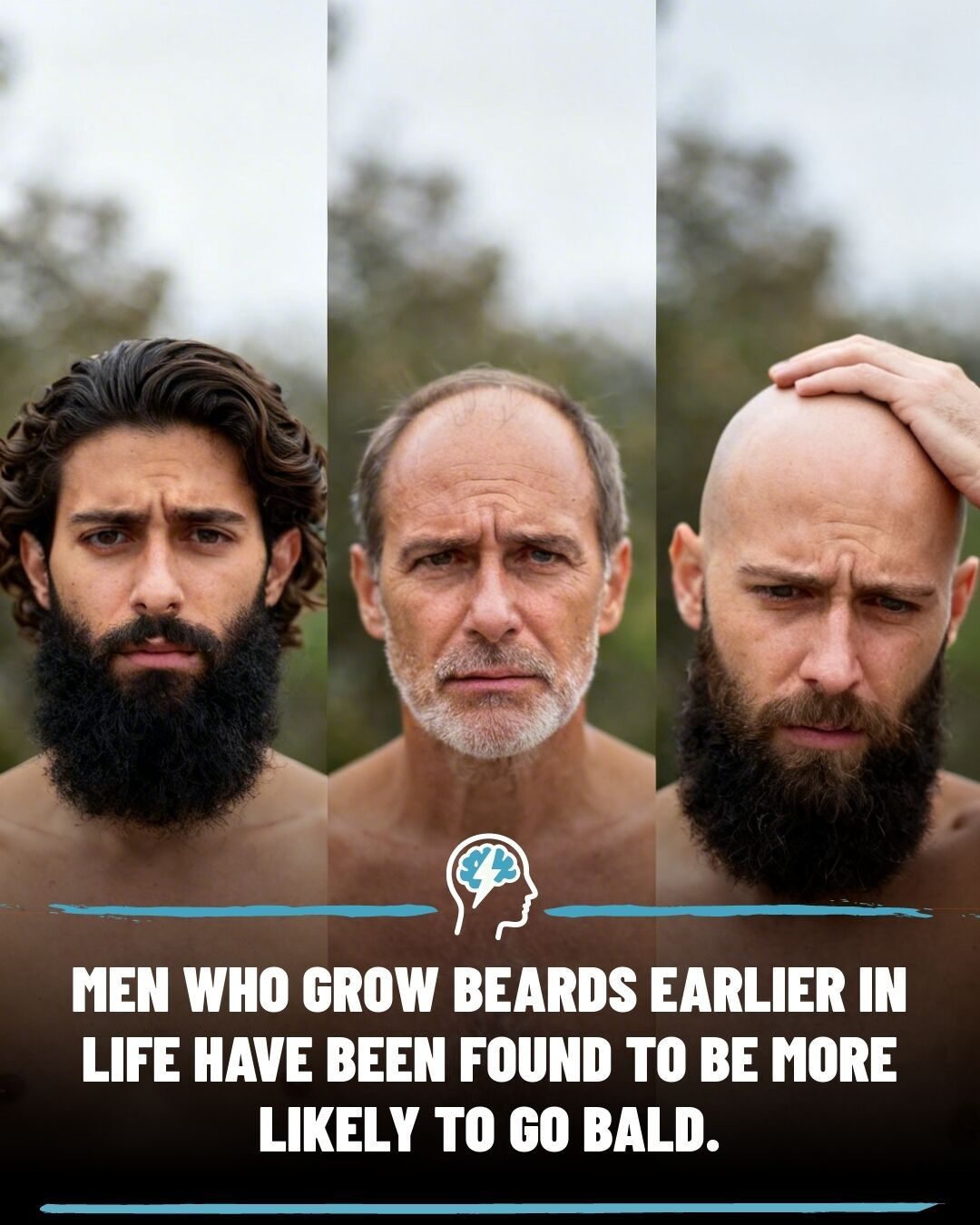
Male Baldness and Beards
The connection between beard growth and male pattern baldness has long been a topic of interest and speculation. Many men have heard the claim that those who can grow a thick beard at a young age are more likely to experience hair loss. While there is some truth to this idea, the relationship is more complex than it initially appears.
Context / Why This Matters
Understanding the relationship between beard growth and baldness can provide valuable insights into male pattern baldness, or androgenetic alopecia. This condition affects a significant number of men and is characterized by a receding hairline and thinning of the hair on the crown of the head. By exploring the underlying factors, we can better grasp the mechanisms at play and potentially shed light on future treatments.
The Role of Androgens
Dihydrotestosterone (DHT) and Hair Follicles
Both early beard growth and male pattern baldness share a common factor: genetic sensitivity to androgens, specifically dihydrotestosterone (DHT). DHT is a potent androgen hormone derived from testosterone. Its effects on hair follicles can vary significantly depending on the location of the follicles and the individual's genetic makeup.
Facial Hair and Scalp Hair
Facial hair follicles respond positively to DHT, which can promote growth and thickness. This is why men with high levels of DHT or high testosterone can develop thick, robust beards. However, the story is different for scalp hair follicles. In genetically predisposed individuals, DHT may bind to androgen receptors and trigger follicle miniaturization. This process causes hair to thin and eventually stop growing.
The Misconception
A common misconception is that having more DHT or higher testosterone levels automatically leads to baldness. This is not the case. What matters is the sensitivity of the hair follicles to these hormones. Men with high testosterone levels can have full heads of hair if their scalp follicles are not genetically sensitive to DHT.
Genetic Sensitivity and Hair Loss
The Role of Androgen Receptor Genes
The takeaway is that early beard growth and hair loss may stem from the same genetic variations in androgen receptor genes. However, you cannot reliably predict baldness based on beard development alone. Many men with thick early beards never experience significant hair loss. Biology is rarely as simple as "if A, then B." Results vary considerably by individual, and genetics express themselves differently across hair follicles on the face versus the scalp.
Follicle Location and Genetic Programming
The location of the hair follicles and their genetic programming play a crucial role. The same hormones can produce opposite effects depending on whether the follicles are on the face or the scalp. For example, DHT can promote facial hair growth while simultaneously causing scalp hair to thin and fall out in individuals genetically sensitive to the hormone.
Practical Tips
Understanding Your Genetics
While understanding the underlying genetic factors can be helpful, it's important to remember that genetic sensitivity is not a one-size-fits-all situation. Consulting with a healthcare provider or a dermatologist who specializes in hair loss can provide personalized insights. Genetic testing may also offer some clarity, though it's not a definitive predictor of hair loss.
Managing DHT Levels
For those who are concerned about DHT levels, there are a few approaches to consider:
- Topical Treatments: There are various topical treatments that can help reduce DHT levels in the scalp. These treatments are often combined with other hair loss prevention strategies.
- Supplements and Vitamins: Certain supplements and vitamins can support hair health. Biotin, for example, is known to promote hair growth. Always consult a healthcare provider before starting any new supplement regimen.
- Lifestyle Changes: Maintaining a healthy lifestyle, including a balanced diet and regular exercise, can have a positive impact on overall hair health.
Important Takeaways
Early Beard Growth and Baldness
Early beard growth does not necessarily mean that a man is destined to lose his hair. While there is a correlation due to genetic sensitivity to androgens, the relationship is complex and varies from person to person.
Genetic Sensitivity Matters
The key factor is not the amount of DHT or testosterone a person has, but rather the sensitivity of their hair follicles to these hormones. This sensitivity is determined by genetic variations in androgen receptor genes.
Individual Variability
Genetics can express themselves differently depending on the location of the hair follicles. What promotes growth in one area may cause thinning in another. This highlights the importance of understanding the unique genetic makeup of each individual.
Conclusion
The relationship between early beard growth and male pattern baldness is nuanced and influenced by a variety of genetic factors. While there is a correlation, it is not a definitive predictor of hair loss. Understanding the role of androgens, particularly DHT, and the genetic sensitivity of hair follicles can provide valuable insights. If you're concerned about hair loss, consulting a healthcare provider or dermatologist is a good first step. They can offer personalized advice and treatment options based on your unique situation.
Questions readers ask
Why do early beard growers have a higher likelihood of experiencing hair loss?
Men who grow beards early have a heightened sensitivity to androgens, specifically dihydrotestosterone (DHT). While this sensitivity promotes beard growth, it can also lead to hair follicles on the scalp becoming more receptive to DHT and thus more prone to thinning and eventual hair loss.
Is there a specific gene responsible for both early beard growth and hair loss?
There isn't a single gene, but rather a combination of genetic factors that influence both traits. These genes are related to how sensitive hair follicles are to androgens. While these genes promote beard growth, they can also make the hair follicles on the scalp more susceptible to androgenic alopecia.
Can a man with a thick beard avoid hair loss?
Having a thick beard does not guarantee hair loss, but it does indicate a higher risk. Regular exercise, a balanced diet, and avoiding stress can help maintain overall hair health, but genetics play a significant role in determining whether or not a man will experience hair loss.
Can treatments for hair loss affect beard growth?
Some treatments for hair loss, such as medications that block DHT, may potentially impact beard growth since they target the same hormone that promotes facial hair growth. However, this is not always the case, and individual responses to these medications can vary.
Is it possible to have a bald father and a beardless son?
Yes, it is possible. The genetic factors that influence beard growth and hair loss are complex and can vary greatly among family members. While a bald father may have passed on certain genetic traits, the son could have inherited different combinations of these genes, leading to variations in facial hair growth and hair loss patterns.
Why do some men with early beards not experience hair loss?
Even with a genetic predisposition, environmental factors, overall health, and lifestyle choices can influence whether hair loss occurs. Some men with early beards may have a stronger immune system or healthier hair follicles, which can help mitigate the effects of androgens on their scalp hair.
Recent articles
Fresh deep dives from the latest Reels we unpacked.




Comments
Be the first to comment.