
The Unique Charm of Iguanas: Introducing Spike
Iguanas, with their distinctive appearance and laid-back demeanor, have long captivated the interest of both wildlife enthusiasts and casual observers. Among these fascinating creatures, one iguana, named Spike, is making waves in the hearts of nature lovers. This introduction to Spike offers a glimpse into the world of these remarkable reptiles, their natural habitats, and the unique bond between iguanas and their human companions.
Why this matters
Understanding iguanas and their care is essential for anyone considering these vibrant reptiles as pets. Knowing about their natural behavior and needs in captivity helps ensure a happy and healthy life for your iguana. Moreover, meeting an iguana like Spike can inspire a deeper appreciation for wildlife conservation and habitat preservation.
Getting to Know Spike
A Natural Setting
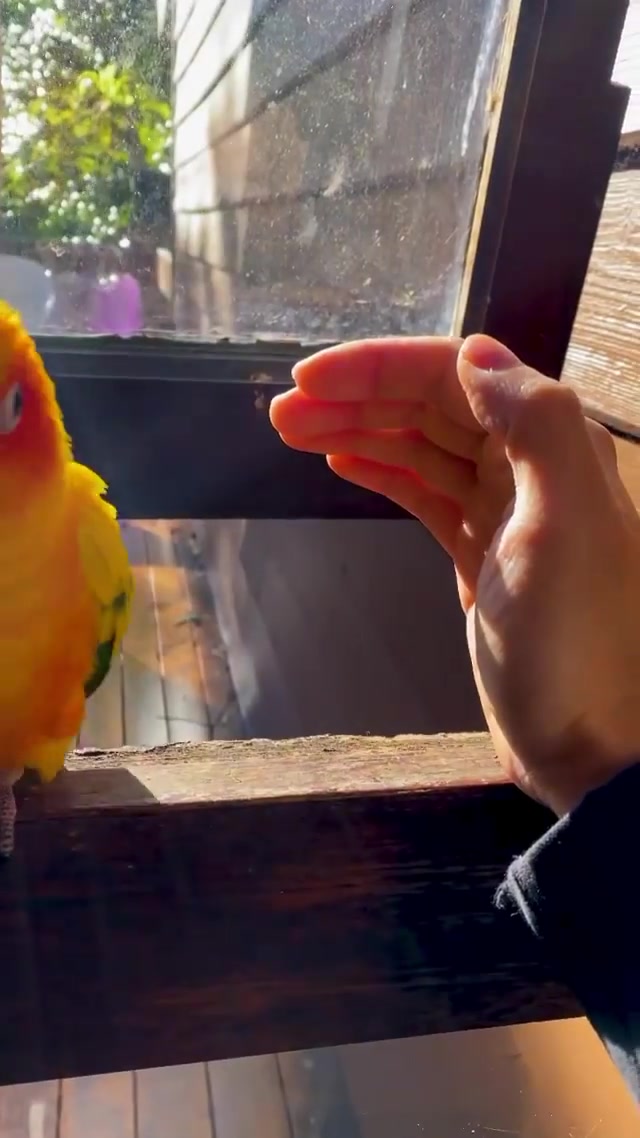
Spike, the iguana featured in this introduction, is a prime example of how these reptiles thrive in natural, leafy environments. His surroundings—filled with lush greenery and plenty of space to move around—provide crucial insights into their preferred habitats. Iguana habitats in the wild typically feature dense vegetation, which offers them the shelter and security they require. Replicating these conditions in a home setting is vital for maintaining the well-being of pet iguanas.
A Unique Introduction
The introduction to Spike takes a personal and engaging approach. The person filming shares that they are recovering from eye surgery and asks for understanding regarding their appearance. This candidness creates a relatable connection, making the introduction more personal and heartfelt. It underscores the importance of empathy and understanding, both in human interactions and in the care of pets like iguanas.
Understanding Iguanas: Their Behavior and Needs
Behavioral Traits
Iguanas are known for their docile and somewhat solitary nature. They are often content to bask in the sun and move at a leisurely pace. This behavior is essential for their health, as iguanas are ectothermic, relying on external heat sources to regulate their body temperature. Providing a suitable environment that mimics their natural habitat is crucial for their physical and mental well-being.
Habitat and Diet
In the wild, iguanas are arboreal, meaning they spend much of their time in trees. They are also herbivorous, feeding on a diet of leaves, flowers, and fruits. For pet iguanas, this means they need a spacious enclosure with plenty of climbing opportunities and a varied diet that includes a range of vegetables, fruits, and specialized iguana pellets.
Social Interaction
While iguanas are not overly social animals, they can form bonds with their human caregivers. Regular interaction and handling help iguanas become accustomed to human presence, making them more comfortable and less stressed. It's important to handle them gently and respect their boundaries to maintain a positive relationship.
Practical Tips for Iguana Care
Setting Up a Suitable Habitat
When setting up a habitat for your iguana, consider the following:
- Enclosure Size: Ensure the enclosure is large enough to accommodate your iguana's size and growth. A general rule is to provide at least 24 inches of floor space for younger iguanas, increasing to 36-48 inches for adults.
- Climbing Structures: Include branches, vines, and rocks to mimic their natural arboreal environment. This encourages exercise and mental stimulation.
- Lighting and Temperature: Provide a basking spot with a heat lamp and UVB lighting to support their health. Maintain a temperature gradient within the enclosure, with a warmer basking area and a cooler retreat.
- Substrate: Use a safe, non-toxic substrate like coconut coir or reptile-safe soil. Avoid sand, as it can cause impaction if ingested.
Feeding and Nutrition
A balanced diet is crucial for an iguana's health. Include a variety of:
- Leafy Greens: Collard greens, turnip greens, and dandelion greens.
- Vegetables: Carrots, squash, and bell peppers.
- Fruits: Apples, berries, and mangoes (in moderation).
- Pellets: High-quality iguana pellets to supplement their diet.
Avoid foods high in oxalates, like spinach and beet greens, which can interfere with calcium absorption.
Health and Well-being
Regular veterinary check-ups are essential for monitoring your iguana's health. Look for signs of illness, such as:
- Appetite Changes: A sudden loss of appetite can indicate health issues.
- Behavioral Changes: Increased lethargy or unusual aggression may signal stress or illness.
- Physical Symptoms: Check for signs of dehydration, such as wrinkled skin, or any visible abnormalities like wounds or discoloration.
Bonding and Interaction
Spend time with your iguana daily to build a strong bond. Gentle handling and positive reinforcement can help your iguana become more comfortable with you. Avoid sudden movements and loud noises, which can startle and stress them.
Important takeaways
Here are the key points to remember when it comes to iguanas:
- Natural Habitat: Replicate a natural, leafy environment for their well-being.
- Behavior: Iguanas are typically docile and solitary, requiring space and minimal disturbance.
- Diet: A balanced, herbivorous diet is essential for their health.
- Interaction: Gentle and consistent handling helps build a positive relationship.
Conclusion
Iguanas, with their unique charm and fascinating behaviors, make wonderful companions for those willing to provide the right care and environment. Spike's introduction highlights the importance of understanding these creatures and the joy they can bring to our lives. Whether you're a seasoned reptile enthusiast or considering an guana as a pet for the first time, embracing their natural habits and needs will ensure a fulfilling and mutually beneficial relationship.
Questions readers ask
What makes iguanas unique as pets compared to other reptiles?
Iguanas are unique due to their distinctive appearance, laid-back temperament, and the rewarding bond they can form with their human companions. They are often more docile than other reptiles, making them appealing to those seeking a calm and interactive pet. However, it's important to note that they require specific care and a commitment to their well-being.
What kind of habitat do iguanas need as pets?
When kept as pets, iguanas require a spacious enclosure that mimics their natural habitat. This includes plenty of climbing structures, UVB lighting for proper calcium absorption, and a temperature gradient to allow them to regulate their body heat. Humidity levels should also be carefully controlled, typically between 70-80%.
What is the importance of conservation efforts for iguanas?
Conservation efforts for iguanas are crucial due to habitat loss and the illegal pet trade. Many iguana species are threatened or endangered. Supporting conservation initiatives helps protect their natural habitats and ensures the sustainability of iguana populations in the wild. Conservation ensures that future generations can appreciate and enjoy these fascinating creatures.
Can iguanas form bonds with their human companions?
Yes, iguanas can form bonds with their human companions. They may become accustomed to their caregivers and even enjoy interaction and handling. Regular, gentle handling and positive reinforcement can help strengthen this bond. However, it's essential to remember that each iguana has its unique personality, and some may be more affectionate than others.
What are some fascinating facts about iguanas?
Iguanas have a third eye on top of their heads, which helps them detect changes in light and predators. They are also excellent swimmers and climbers, thanks to their strong tails and sharp claws. Additionally, iguanas have a unique way of communicating through body language, such as head bobbing and tail whipping, which serves different purposes in their social interactions.
What is Spike's story?
Spike is a notable iguana known for his remarkable personality and the unique bond he has formed with his human companions. Spike provides an insightful look at the world of iguanas, their natural behaviors, and the rewarding relationship they can have with their caregivers. Learning about Spike and his world can foster a deeper appreciation for these fascinating reptiles and the importance of their conservation.
What should potential iguana owners consider before bringing an iguana into their home?
Potential iguana owners should consider the specific care requirements, including proper lighting, heating, and a large enclosure. Iguanas have a long lifespan, often living over 20 years, so they are a significant commitment. Additionally, understanding their unique behaviors and needs will help ensure a happy and healthy life for the iguana. It's also important to consider the legal requirements and potential challenges of owning an iguana, such as the need for permits in some areas.
Related deep dives
Similar reads based on topic and creator.



Recent articles
Fresh deep dives from the latest Reels we unpacked.




Comments
Be the first to comment.