Environmental Impact of Planting Trees
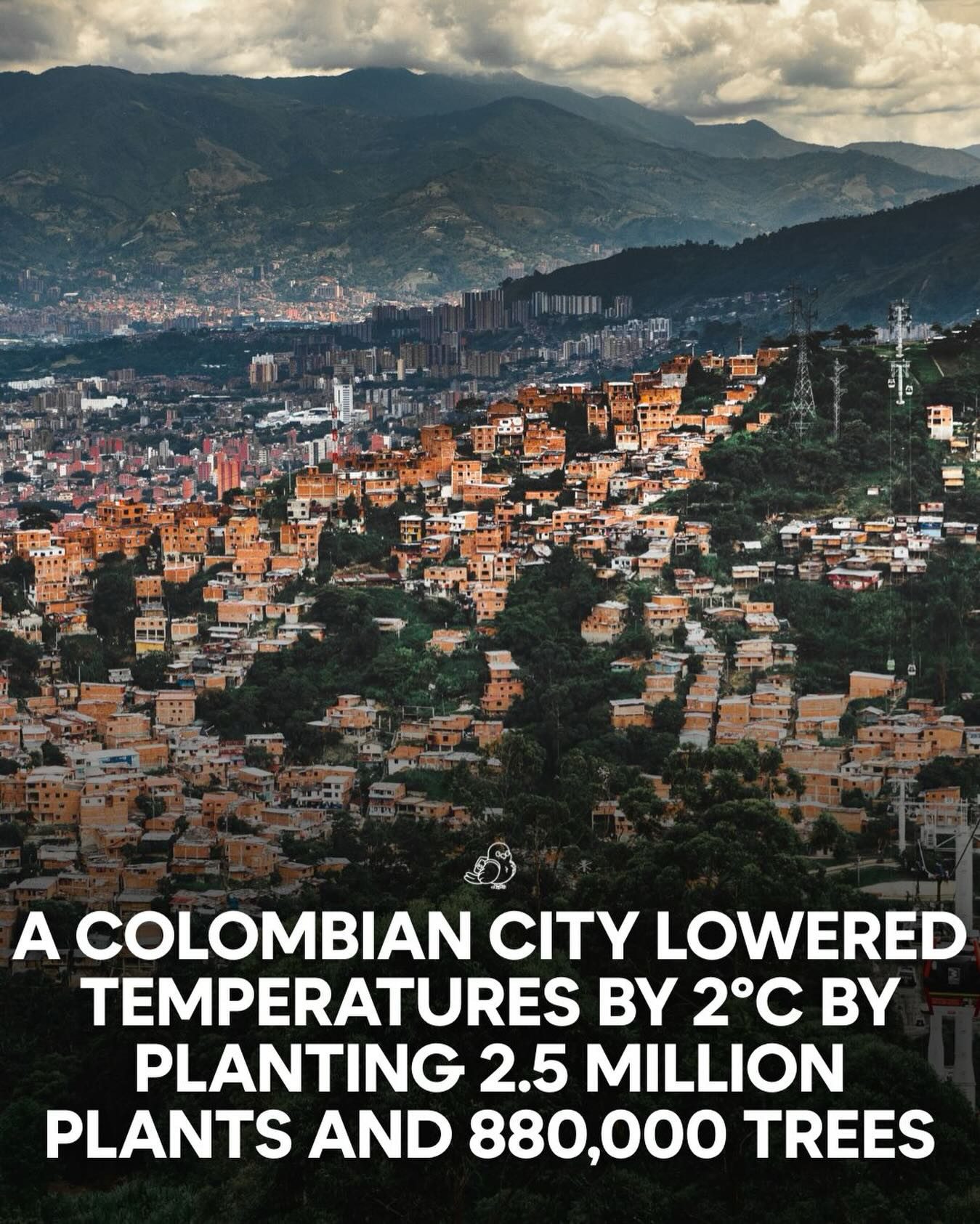
Medellín, Colombia, is a prime example of how planting trees and plants can significantly transform urban environments. By planting around 2.5 million trees and plants through its Green Corridors project, the city lowered its average urban temperature by up to 2°C. This initiative not only prevented heat absorption and improved air quality but also boosted biodiversity, transforming busy roads, riverbanks, and concrete-heavy areas into shaded green spaces.
Why This Matters
Understanding the impact of planting trees in urban areas is crucial. As cities grow, they often face the problem of urban heat islands, where temperatures can be significantly higher than in surrounding rural areas. This increase in temperature is due to the abundance of heat-absorbing materials like concrete and asphalt, which also contribute to poor air quality. Planting trees mitigates these issues by providing shade, improving air quality, and enhancing biodiversity, thereby creating more livable urban environments.
Main Discussion
The Green Corridors Project
Medellín's Green Corridors project stands as a testament to how urban greening can be a powerful climate solution. Through this initiative, the city transformed various urban areas into green spaces. The project involved planting 2.5 million plants and 880,000 trees, which effectively lowered the urban temperature by 2°C. This significant drop in temperature showcases the potential of urban reforestation in combating the urban heat island effect.
Urban Heat Islands and Greening
Urban heat islands are a common issue in cities worldwide, where human activities and dense infrastructure lead to higher temperatures. This phenomenon can be exacerbated by the abundance of concrete and asphalt, which absorb and retain heat. Planting trees and creating green spaces help mitigate this effect by providing shade and cooling the surrounding air. Additionally, trees absorb carbon dioxide, further improving air quality and contributing to a healthier urban ecosystem.
Biodiversity and Green Spaces
Transforming urban areas into green spaces doesn’t just impact temperature and air quality—it also enhances biodiversity. Trees and plants provide habitats for various species, from birds and insects to larger animals, creating a richer and more balanced urban ecosystem. This biodiversity not only benefits the environment but also enhances the overall quality of life for residents, making cities more livable and enjoyable.
Case Study: Medellín, Colombia
Medellín’s success story is particularly notable because it demonstrates the effectiveness of urban greening in fast-growing cities facing rising temperatures. By strategically planting trees and plants along roads, riverbanks, and in concrete-heavy areas, Medellín was able to create shaded green spaces that significantly improved the city's environmental conditions. This initiative serves as a model for other cities looking to implement similar projects.
Practical Tips
If you're considering urban greening initiatives in your city, here are some practical tips to keep in mind:
- Assess Your City’s Needs: Understand the specific challenges your city faces, such as high temperatures or poor air quality. This understanding will help you target the most effective areas for greening.
- Plan Strategically: Focus on areas that will have the most significant impact, such as busy roads, riverbanks, and concrete-heavy zones.
- Choose the Right Plants: Select native and drought-resistant plants and trees that can thrive in your city’s climate. This approach ensures long-term sustainability.
- Engage the Community: Involve local residents and businesses in your greening efforts. Community engagement can enhance the project's success and foster a sense of ownership and pride.
Important Takeaways
- Effective Climate Solution: Urban greening can be a highly effective climate solution, particularly in cities facing rising temperatures.
- Improved Air Quality: Planting trees and creating green spaces significantly improve air quality, reducing pollution and enhancing public health.
- Enhanced Biodiversity: Green spaces support a richer ecosystem, providing habitats for various species and contributing to overall biodiversity.
- Public Health and Well-being: Creating shaded green areas enhances the quality of life for urban residents, providing natural cooling and recreational spaces.
Conclusion
Medellín’s success with the Green Corridors project serves as a powerful example of how urban greening can transform cities. By strategically planting trees and creating green spaces, the city not only lowered its urban temperature but also improved air quality and boosted biodiversity. This initiative underscores the potential of urban reforestation as a solution to the challenges posed by urban heat islands and emphasizes the importance of green spaces in creating livable and sustainable cities.
Questions readers ask
How many trees were planted in Medellín's Green Corridors project?
The Green Corridors project involved the planting of approximately 2.5 million trees and plants throughout Medellín, Colombia, transforming urban landscapes and mitigating the urban heat island effect.
What is the urban heat island effect?
The urban heat island effect is a phenomenon where urban areas experience higher temperatures than their surrounding rural areas. This is primarily due to the abundance of heat-absorbing materials like concrete and asphalt, which trap and radiate heat. Planting trees helps to mitigate this effect by providing shade and cooling the environment through evapotranspiration.
What are the benefits of urban reforestation?
Urban reforestation, as shown in Medellín, offers multiple benefits. These include reducing urban temperatures, improving air quality by absorbing pollutants, enhancing biodiversity by creating habitats for various species, and transforming concrete-heavy areas into green, shaded spaces that improve the overall livability of urban environments.
How did Medellín's Green Corridors project impact the city's temperature?
The Green Corridors project in Medellín successfully lowered the city's average urban temperature by up to 2°C. This significant cooling effect was achieved by planting trees along roads, riverbanks, and other urban areas, which helped to shade surfaces, reduce heat absorption, and promote natural cooling processes.
What types of areas in Medellín were transformed by the Green Corridors project?
The Green Corridors project in Medellín focused on transforming various urban landscapes, including busy roads, riverbanks, and other concrete-heavy areas. By planting trees and plants in these locations, the project created shaded green spaces that not only cooled the environment but also enhanced the city's aesthetics and promoted a healthier ecosystem.
What is the significance of Medellín's Green Corridors project for other cities?
Medellín's Green Corridors project serves as a model for other cities looking to combat the urban heat island effect and improve their environments. By demonstrating the tangible benefits of urban greening, including temperature reduction and enhanced biodiversity, Medellín provides a practical example of how to effectively implement large-scale reforestation projects in urban settings.
Related deep dives
Similar reads based on topic and creator.

Recent articles
Fresh deep dives from the latest Reels we unpacked.




Comments
Be the first to comment.