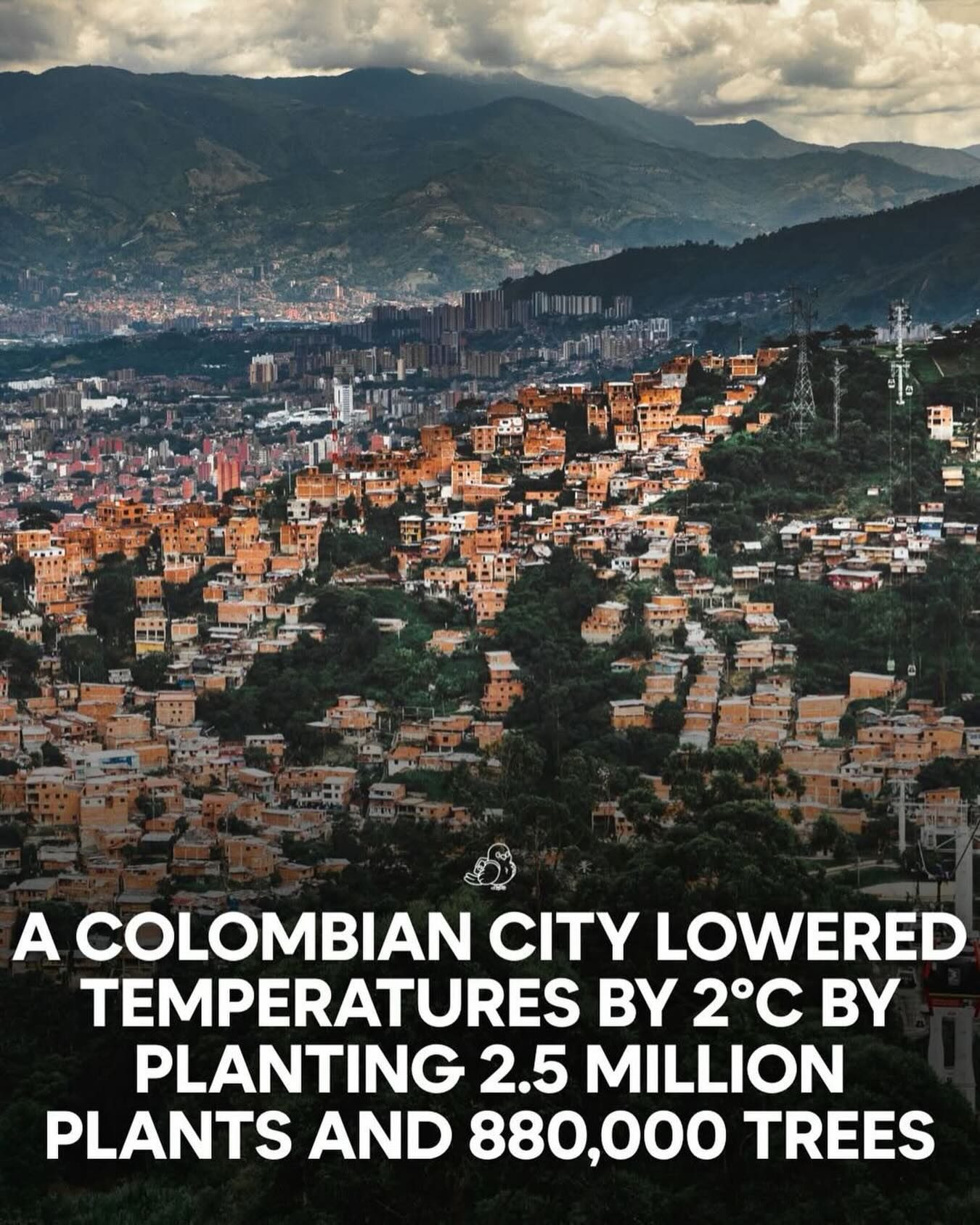
Environmental Impact of Planting Trees: The Green Corridors Project in Medellín, Colombia
The Green Corridors project in Medellín, Colombia, is a remarkable example of how urban greening can significantly impact a city's climate. By planting around 2.5 million trees and plants, Medellín successfully lowered its average urban temperature by up to 2°C. This initiative not only transformed the city's landscape but also demonstrated the potential of reforestation as a powerful climate solution.
Context / Why This Matters
Urban environments often face challenges like rising temperatures, poor air quality, and loss of biodiversity. Medellín's Green Corridors project addresses these issues by creating shaded green spaces in areas that were previously concrete-heavy or lacked vegetation. These green corridors significantly reduce heat absorption, improve air quality, and support local ecosystems.
The Green Corridors Project: Planting 2.5 Million Plants and 880,000 Trees
The Green Corridors project is a transformative initiative that has had a profound impact on Medellín's urban environment. By planting 2.5 million plants and 880,000 trees, the project has successfully lowered the city's average temperature by 2°C. This achievement highlights the importance of incorporating greenery into urban landscapes and is a testament to the potential of urban reforestation.
Transforming Urban Areas
One of the key aspects of the Green Corridors project is the transformation of busy roads, riverbanks, and concrete-heavy areas into green spaces. These areas, which were once concrete jungles, have been revitalized with lush vegetation, creating shaded oases amidst the urban landscape. This transformation has not only improved the aesthetic appeal of the city but also provided numerous environmental benefits.
Cutting Heat Absorption
One of the most significant impacts of the Green Corridors project is the reduction in heat absorption by shaded green spaces. Trees and plants absorb less heat than concrete and asphalt, which helps lower the overall temperature of the city. This reduction in heat absorption is crucial for improving the comfort of urban residents and reducing the urban heat island effect.
Improving Air Quality
Another critical benefit of the Green Corridors project is the improvement in air quality. Trees and plants act as natural filters, removing pollutants from the air and releasing oxygen. This process helps to create a healthier environment for residents, reducing the risk of respiratory illnesses and improving overall well-being. The increase in green spaces also encourages the growth of a diverse range of plant and animal species, boosting biodiversity in the city.
Urban Greening as a Climate Solution
The Green Corridors project in Medellín demonstrates that urban greening can be an effective climate solution, especially for fast-growing cities facing rising temperatures. By planting trees and creating green spaces, cities can lower temperatures, improve air quality, and support local ecosystems. This approach is particularly relevant for cities in developing countries, where rapid urbanization often leads to environmental degradation.
The Power of Planting Trees
Planting trees is a simple yet powerful way to mitigate the effects of climate change. Trees absorb carbon dioxide, one of the primary greenhouse gases contributing to global warming. By planting 2.5 million plants and 880,000 trees, Medellín has not only lowered its average urban temperature but also reduced its carbon footprint. This initiative highlights the potential of reforestation as a climate solution and serves as a model for other cities looking to implement similar projects.
Building Green Spaces Over Concrete
One of the key takeaways from the Green Corridors project is that building green spaces can be more effective than building more concrete. Traditional urban development often focuses on constructing buildings and infrastructure, which can contribute to the urban heat island effect and worsen air quality. In contrast, creating green spaces can help mitigate these issues and create a more sustainable urban environment. This approach is particularly relevant for fast-growing cities, where urban development often prioritizes infrastructure over environmental sustainability.
Practical Tips for Urban Greening
Implementing urban greening initiatives can be a complex process, but there are several practical tips that can help cities achieve successful outcomes. These tips are based on the experiences and strategies employed in the Green Corridors project in Medellín and can be adapted to other urban contexts.
Community Involvement
Community involvement is crucial for the success of any urban greening initiative. Engaging local residents and organizations in the planning and implementation process can help ensure that the project meets the needs and priorities of the community. This involvement can also foster a sense of ownership and responsibility, encouraging residents to take an active role in maintaining and protecting the green spaces.
Strategic Planning
Strategic planning is essential for identifying the most effective locations for green spaces and ensuring that they are integrated seamlessly into the urban landscape. This process involves assessing the environmental, social, and economic benefits of different sites and selecting those that offer the greatest potential for positive impact. Strategic planning also requires considering the long-term sustainability of the project, including factors such as maintenance, funding, and environmental conditions.
Utilizing Local Resources
Utilizing local resources, such as native plant species and community volunteers, can help reduce the costs and environmental impact of urban greening initiatives. Local plants are often better adapted to the local climate and soil conditions, requiring less water and maintenance. Community volunteers can provide valuable labor and support, helping to build a sense of community ownership and commitment to the project.
Important Takeaways
The Green Corridors project in Medellín, Colombia, offers several important takeaways for cities looking to implement urban greening initiatives. By transforming busy roads, riverbanks, and concrete-heavy areas into shaded green spaces, Medellín has successfully lowered its average urban temperature by 2°C and improved air quality. This initiative highlights the potential of urban greening as a powerful climate solution and serves as a model for other cities facing similar challenges.
Conclusion
The Green Corridors project in Medellín, Colombia, is a remarkable example of how urban greening can significantly impact a city's climate. By planting 2.5 million plants and 880,000 trees, the project has successfully lowered the city's average temperature, improved air quality, and supported local ecosystems. This initiative demonstrates the potential of urban reforestation as a climate solution and highlights the importance of incorporating greenery into urban landscapes. As cities continue to grapple with the challenges of climate change and urbanization, the Green Corridors project serves as a model for creating sustainable, resilient, and green urban environments.
Questions readers ask
How many trees were planted as part of Medellín's Green Corridors project?
Approximately 2.5 million trees and plants were planted throughout Medellín as part of the Green Corridors project. This extensive planting initiative has significantly altered the city's landscape and climate.
By how much did the Green Corridors project lower Medellín's temperatures?
The project successfully lowered Medellín's average urban temperature by up to 2°C. This reduction helps mitigate the urban heat island effect, making the city more comfortable for its residents.
What are the primary benefits of Medellín's urban greening efforts?
The primary benefits include improved air quality, support for local ecosystems, and enhanced urban biodiversity. Additionally, the green spaces provide shaded areas, reducing the need for artificial cooling methods.
How does the Green Corridors project help combat climate change?
By transforming concrete-heavy areas into green spaces, the project helps absorb carbon dioxide, reducing the city’s carbon footprint. The trees also provide cooling effects, which lower the demand for energy-intensive cooling systems.
What other cities can learn from Medellín's urban reforestation efforts?
Other cities can learn the importance of large-scale urban greening projects in mitigating the effects of climate change. Concrete to green spaces transformation reduces urban temperatures, improves air quality, and enhances the overall livability of cities.
How does Medellín's Green Corridors project address urban heat islands?
The project mitigates the urban heat island effect by increasing the number of shaded green spaces. These areas absorb heat and release cool air, which helps to lower the overall temperature of the city, especially in formerly barren, concrete-heavy locations.
What role do green spaces play in supporting urban ecosystems?
Green spaces in Medellín support urban ecosystems by providing habitats for local flora and fauna. They also improve air quality and contribute to the overall biodiversity of the city, fostering a healthier environment for all residents.
Related deep dives
Similar reads based on topic and creator.

Recent articles
Fresh deep dives from the latest Reels we unpacked.




Comments
Be the first to comment.