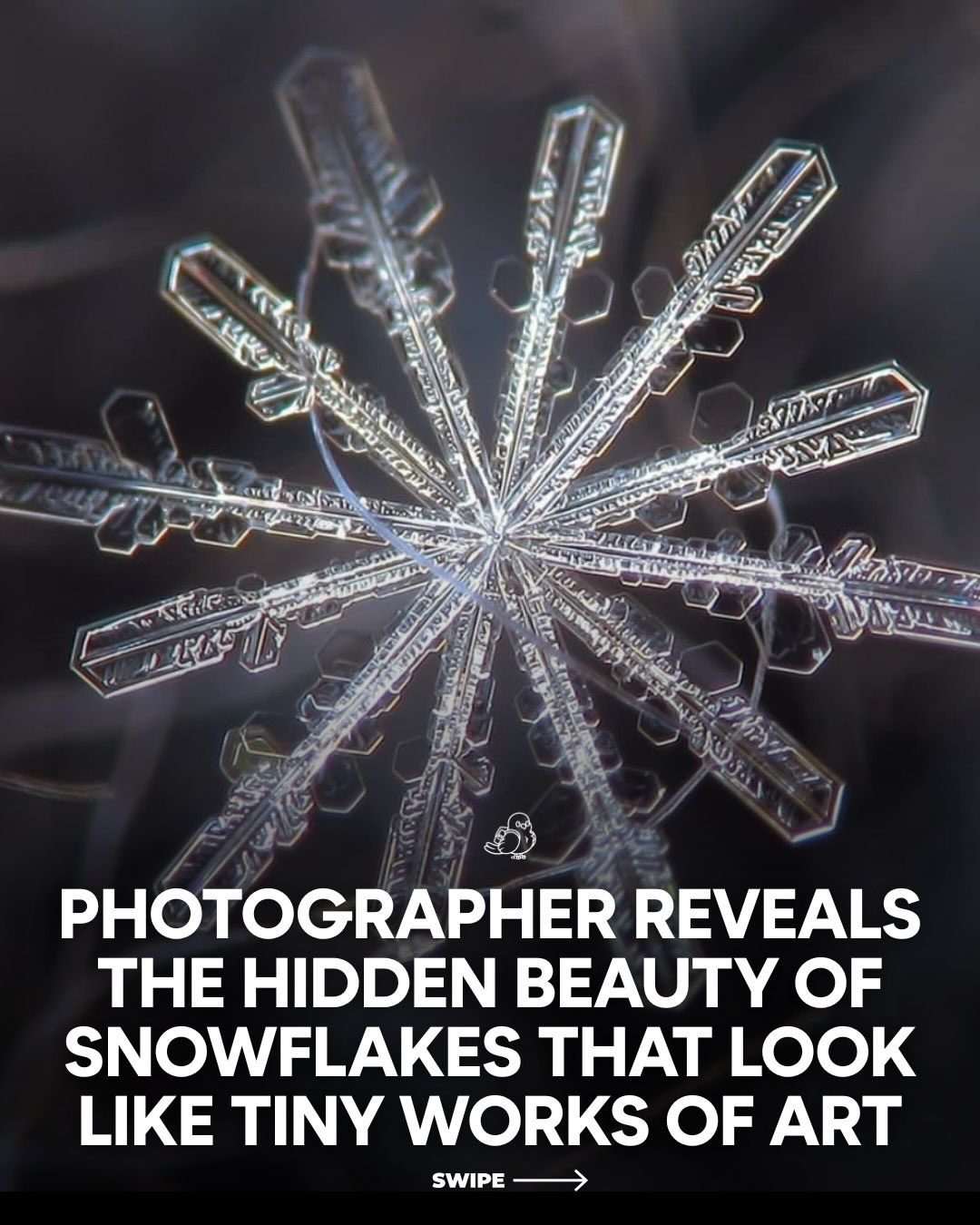
Snowflake Photography
Snowflake photography offers a unique perspective on the natural world, revealing the intricate beauty of frozen crystals that form under varying conditions. Every snowflake is a miniature masterpiece, crafted by subtle environmental factors that shape its design. This art form captures the essence of winter, highlighting the complexity and uniqueness of each tiny ice crystal.
Why This Matters
The beauty of snowflakes has fascinated scientists and artists alike for centuries. Snowflakes are not just frozen water droplets; they are intricate structures shaped by the intricate dance between temperature, humidity, and air currents. Understanding and appreciating this natural phenomenon can enrich our experience of winter and deepen our connection to the environment.
Main Discussion
Snowflake photography is more than just capturing a pretty scene; it's about revealing the hidden beauty of natural formations. By focusing on the microscopic details, photographers can showcase the unique patterns and structures that make each snowflake a one-of-a-kind sculpture.
Environmental Factors
Snowflakes are formed from water vapor that freezes around tiny particles in the atmosphere. As the crystal grows, it travels through different layers of the atmosphere, each with varying temperatures, humidity levels, and air currents. These slight differences in conditions shape the final design of the snowflake, making each one unique.
Unique Designs
Due to the diverse environmental factors that influence their formation, no two snowflakes are alike. Photographers like Alexey Kljatov capture these differences, presenting each snowflake as a miniature work of art. By using close-up photography, they reveal the intricate patterns and structures that would otherwise go unnoticed.
Artistic Perspective
Snowflake photography often highlights the beauty of natural formations, making each snowflake a miniature work of art. By capturing these tiny works of art, photographers show us the artistry found in nature. Just as art museums showcase masterpieces, snowflake photography presents the beauty of natural sculptures.
Scientific Perspective
From a scientific perspective, studying snowflakes offers a glimpse into the complexities of natural processes. Each snowflake's unique design is a result of environmental factors such as temperature, humidity, and air currents. Understanding these processes can provide valuable insights into the behavior of crystals and the dynamics of atmospheric conditions.
Practical Tips
If you're interested in trying snowflake photography, here are some practical tips to get you started:
Equipment
First, you'll need the right equipment. A macro lens is essential for capturing the intricate details of snowflakes. Additionally, a tripod can help stabilize your camera and ensure sharp images. A microscope attachment for your camera can also be helpful for even closer shots.
Environmental Conditions
Timing is crucial for snowflake photography. The best conditions are typically when it's lightly snowing, and the temperature is below freezing. This ensures that the snowflakes are fully formed and not melting or sticking together.
Techniques
Patience and attention to detail are key in snowflake photography. Look for large, well-formed snowflakes that have landed on a flat surface. Avoid using flash, as it can melt the snowflakes. Instead, use natural light to capture the delicate structures.
Post-Processing
Snowflake photography often requires post-processing to enhance the details. Use editing software to adjust brightness, contrast, and sharpness, bringing out the intricate patterns and structures of the snowflakes.
Important Takeaways
Snowflake photography offers a unique perspective on the natural world, revealing the hidden beauty of these intricate formations. By capturing the microscopic details, photographers can showcase the unique patterns and structures that make each snowflake a one-of-a-kind natural sculpture.
Understanding the environmental factors that shape snowflakes can enrich our appreciation of winter and deepen our connection to the environment. Each snowflake is a miniature work of art, crafted by the intricate dance between temperature, humidity, and air currents.
Conclusion
Snowflake photography is a fascinating art form that combines science and beauty. By capturing the intricate details of these natural formations, photographers can reveal the hidden beauty of snowflakes, showcasing the unique patterns and structures that make each one a miniature work of art. Whether you're a beginner or an experienced photographer, exploring snowflake photography can offer a new and rewarding way to experience and appreciate the natural world.
Questions readers ask
What equipment do I need for snowflake photography?
To capture high-quality snowflake images, you'll need a DSLR or mirrorless camera with a macro lens that allows for close-up shots. A tripod is essential for stability, and a remote shutter release or self-timer can help minimize camera shake. Additionally, a magnifying glass or loupe can aid in focusing on the tiny details of the snowflakes.
What are the best conditions for photographing snowflakes?
The ideal conditions for snowflake photography are during a fresh snowfall when snowflakes are still intact and not clumped together. Look for a calm, overcast day to avoid harsh shadows and maintain even lighting. Temperatures between 15°F and 32°F (-9°C and 0°C) are best for capturing well-formed snowflakes.
How can I capture the unique patterns of snowflakes?
To capture the unique patterns, use a high magnification setting and a small aperture (high f-number) to ensure a deep depth of field. Experiment with different angles and lighting to highlight the intricate designs. A black or dark background can make the snowflakes stand out more, allowing their delicate structures to be the focal point.
What techniques can help in photographing snowflakes?
Use manual focus to ensure sharpness, as autofocus may struggle with the small details. Employ a low ISO to minimize noise and maximize image clarity. Practicing manual mode can also help control the exposure settings to perfectly capture the snowflakes' intricate details. Patience is key, as finding well-formed snowflakes can take time.
How do environmental factors influence snowflake designs?
Environmental factors such as temperature, humidity, and air currents play a crucial role in shaping snowflake designs. For instance, colder temperatures and higher humidity can result in more complex and symmetrical patterns. Changes in air currents can create variations in the branches and arms of the snowflakes, leading to unique and intricate formations.
Can I photograph snowflakes without specialized equipment?
While specialized equipment like a macro lens and tripod can significantly enhance your snowflake photography, it is possible to start with basic gear. Using a smartphone with a macro lens attachment or a compact camera with a close-up mode can yield impressive results. Experimenting with natural lighting and creative angles can also help achieve beautiful snowflake images.
How can I preserve the beauty of snowflakes in my photographs?
To preserve the beauty of snowflakes, handle them gently and try to avoid touching them. Use a soft brush or compressed air to remove any debris. Keep the snowflakes in a cold, controlled environment to prevent melting. When photographing, use soft, diffused lighting to capture the delicate details without harsh shadows, and ensure your camera settings are optimized for close-up shots.
Related deep dives
Similar reads based on topic and creator.



Recent articles
Fresh deep dives from the latest Reels we unpacked.




Comments
Be the first to comment.