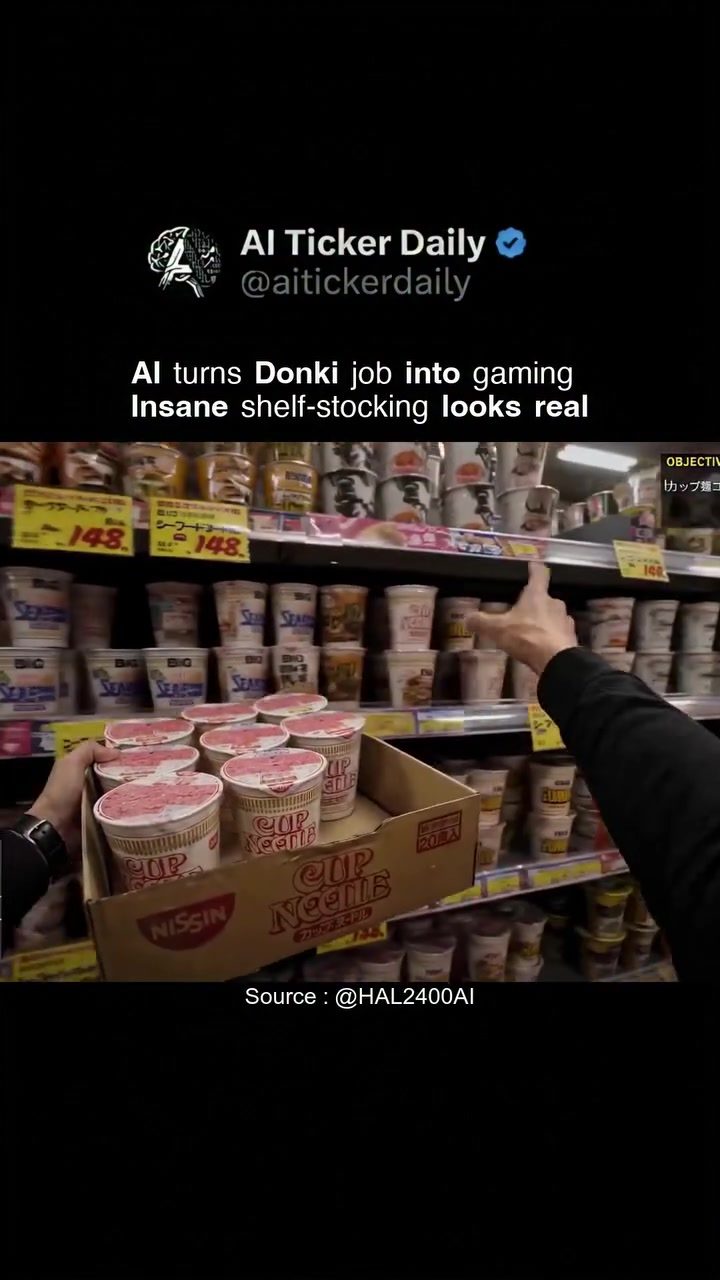
Efficient Shelf-Stocking Techniques for Cup Noodles
Shelf-stocking can often be overlooked, yet it plays a pivotal role in the efficiency and appeal of retail displays. Stocking shelves with cup noodles, especially in a bustling store like the Don Quijote, requires a strategy that combines speed, precision, and visual appeal. Understanding the techniques involved not only ensures a well-organized store but also enhances the overall shopping experience.
Context / Why This Matters
Efficient shelf-stocking is crucial for various reasons. It ensures that products are readily available to customers, reduces the time needed for restocking, and creates an attractive display that can entice shoppers. For products like cup noodles, which come in various flavors, the presentation can significantly impact sales. A well-organized and visually appealing display can make a significant difference in customer perception and purchasing decisions.
Main Discussion
Importance of Organization
Organization is the backbone of efficient shelf-stocking. When stocking cup noodles, it's essential to group similar flavors together and use a consistent layout. This not only makes the stocking process more efficient but also helps customers quickly find what they are looking for. For instance, grouping the spicy flavors together and the mild ones in a different section can simplify the shopping process and make the display more intuitive.
Speed and Efficiency
Speed and efficiency are critical when stocking shelves, especially in a busy store. The use of high-quality equipment and techniques can significantly speed up the process. For example, using a handheld scanner to quickly check inventory levels and ensure that each shelf is fully stocked can save a considerable amount of time. Additionally, training staff to work in a coordinated manner can further enhance efficiency.
Visual Appeal
Visual appeal is another critical aspect of effective shelf-stocking. The way products are displayed can make a significant difference in how attractive they appear to customers. Techniques such as front-facing products, using endcaps to highlight popular items, and creating visually appealing patterns can make the display more enticing. For cup noodles, arranging them in a way that showcases the variety of flavors and packaging can attract more attention.
Techniques for Maximizing Space
Maximizing shelf space is essential, especially in a store where inventory can be extensive. Techniques such as using space-saving organizers, stacking products efficiently, and ensuring that each shelf is fully utilized can help maximize the available space. For cup noodles, using shelf dividers can help keep the products organized and prevent them from falling over, which can also improve the overall aesthetics of the display.
Role of Technology
Technology plays a significant role in modern retail, and shelf-stocking is no exception. Tools like automated inventory management systems, handheld scanners, and AI-powered analytics can greatly enhance the efficiency of the stocking process. These technologies can help track inventory levels, predict restocking needs, and even automate certain aspects of the stocking process. Using these tools can ensure that the shelves are always well-stocked and organized, providing a seamless shopping experience for customers.
Practical Tips
Use Visual Aids
Visual aids such as color-coded labels and signs can help staff quickly identify where each product belongs. This not only speeds up the stocking process but also ensures that products are placed in the correct locations, making it easier for customers to find what they need.
Train Staff Regularly
Regular training sessions can help staff stay updated on the latest techniques and technologies for efficient shelf-stocking. These sessions should cover topics such as organization, speed, and visual appeal, as well as the use of technology to enhance efficiency.
Utilize Data Analytics
Data analytics can provide valuable insights into customer preferences and purchasing behaviors. By analyzing this data, retailers can optimize their shelf-stocking strategies to better meet customer demands. For example, placing popular flavors of cup noodles at eye level and using endcaps to highlight seasonal or promotional items can drive sales.
Implement a Rotation System
A rotation system ensures that older products are moved to the front, while newer products are placed at the back. This not only helps manage inventory but also ensures that customers always have access to the freshest products. For cup noodles, this can be particularly important as it ensures that flavors do not go stale or expire before being sold.
Important Takeaways
- Organization is Key: A well-organized shelf not only saves time but also makes the shopping experience more pleasant for customers.
- Speed Matters: Efficient techniques and high-quality equipment can significantly speed up the stocking process.
- Visual Appeal Drives Sales: A visually appealing display can attract more customers and drive sales.
- Technology Enhances Efficiency: Tools like automated inventory management systems and AI-powered analytics can greatly enhance the efficiency of the stocking process.
- Training and Data Analytics: Regular training and the use of data analytics can help optimize shelf-stocking strategies and meet customer demands.
Conclusion
Efficient shelf-stocking is an essential aspect of retail management, particularly for products like cup noodles. By focusing on organization, speed, visual appeal, and the strategic use of technology, retailers can ensure that their shelves are always well-stocked and appealing to customers. Implementing practical tips and taking into account important takeaways can further enhance the efficiency and effectiveness of the stocking process, contributing to a more successful retail operation.
Questions readers ask
How can I optimize my store shelf layout for cup noodles?
To optimize your store shelf layout for cup noodles, consider grouping similar flavors together and placing best-sellers at eye level. Use clear signage to guide customers, and ensure there's enough space to accommodate popular items without overcrowding the shelves.
What are the key benefits of efficient cup noodle shelf management?
Efficient cup noodle shelf management enhances store organization, speeds up daily restocking, and improves visual merchandising. It ensures that products are easily accessible to customers, reducing out-of-stock situations and driving retail sales. Additionally, a well-organized shelf can lead to better inventory management and optimized stock levels.
What are some effective restocking methods for cup noodles?
Effective restocking methods for cup noodles include using the first-in, first-out (FIFO) approach to ensure older stock is sold first. Regularly check and restock high-demand flavors, and consider using a shelf management system to track inventory levels. Training staff on proper restocking techniques can also improve efficiency and minimize stock disruption.
How can visual merchandising techniques drive cup noodle sales?
Visual merchandising techniques can drive cup noodle sales by creating eye-catching displays. Use pyramid or tiered displays to showcase different flavors, and place them in high-traffic areas. Consider using promotional materials like discount stickers or bundled offers to attract customers' attention. Consistent and appealing displays can significantly boost sales and enhance the shopping experience.
What are the best practices for daily store restocking of cup noodles?
Best practices for daily store restocking of cup noodles include conducting regular audits of stock levels, using a consistent restocking schedule, and maintaining a clean and organized display. Prioritize high-demand items and flavors to prevent stockouts, and ensure that shelves are well-stocked, especially during peak shopping hours.
How can I create visually appealing displays for cup noodles?
Create visually appealing displays for cup noodles by using a mix of colors, sizes, and packaging designs. Highlight specialty or limited-edition flavors with dedicated spaces, and use signs or labels to promote new or discounted items. Ensure that displays are neat, accessible, and easy to navigate for customers.
What are some common mistakes to avoid in cup noodle shelf stocking?
Common mistakes to avoid in cup noodle shelf stocking include overstocking shelves, which can lead to clutter, and understocking, which can result in out-of-stock situations. Misplacing items or not grouping similar products together can also confuse customers and reduce sales. Additionally, neglecting regular restocking checks and failing to maintain cleanliness can negatively impact the display and shopping experience.
Recent articles
Fresh deep dives from the latest Reels we unpacked.




Comments
Be the first to comment.