Transforming Trash Glass into Art: A Creative Crafting Journey
Repurposing old glassware and turning them into vibrant, eye-catching art is a rewarding craft that combines creativity, sustainability, and a love for DIY projects. This process involves several steps, from collecting and preparing the glass materials to assembling and decorating the final artwork. Let's dive into the fascinating world of transforming trash glass into a stunning masterpiece.
Why This Matters
Before diving into the crafting process, it's important to understand the significance of repurposing old glassware for art. This crafting technique not only reduces waste but also turns discarded items into beautiful, unique pieces of art. By giving old glassware a second life, you contribute to environmental sustainability while also expressing your artistic creativity. Additionally, this process allows for a deeply personal touch, as you can choose colors, patterns, and designs that speak to you.
The Crafting Process
The transformation of trash glass into a masterpiece involves several key steps: collecting, processing, assembling, and decorating.
Collecting and Preparing the Materials
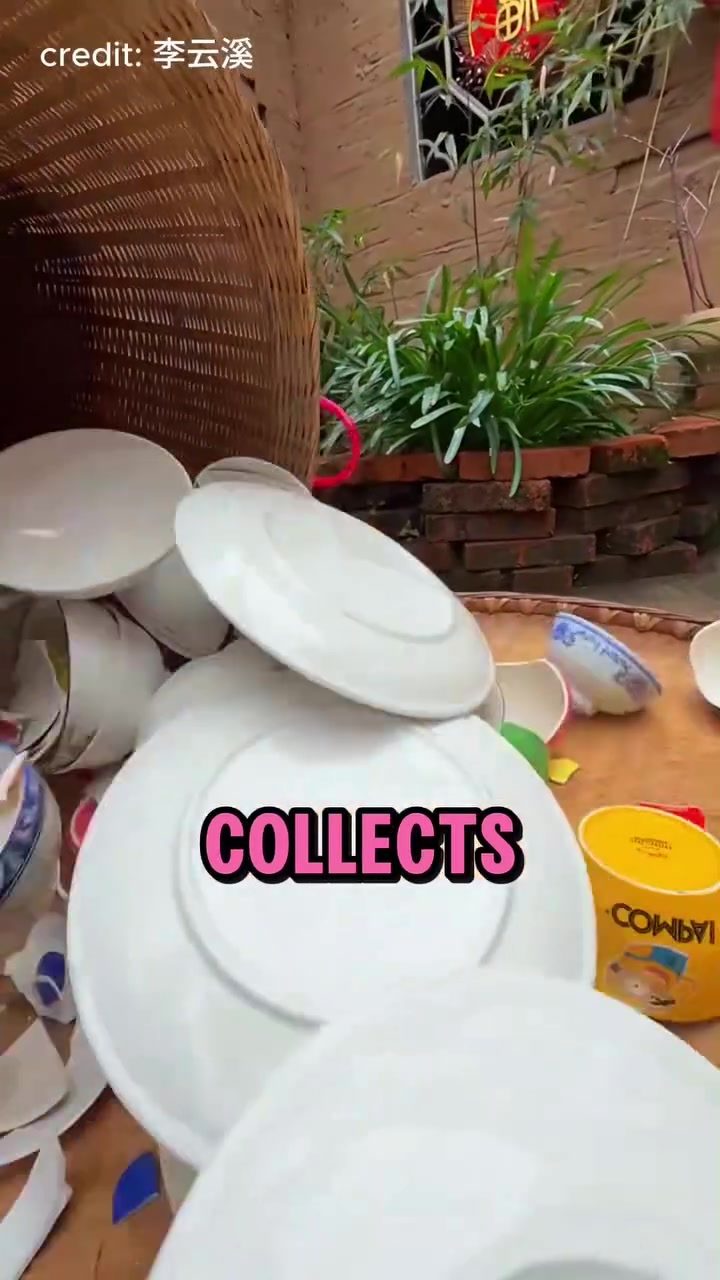
The first step in this creative journey is to collect old glassware. This can include anything from dusty bottles and chipped cups to forgotten vases. The key is to look for pieces that spark your imagination and have the potential to be transformed into something beautiful. Once you have gathered your materials, the next step is to clean them thoroughly. Washing dusty bottles and chipped cups until they shine is essential to ensure a clean canvas for your artwork.
Creating Fragments
After cleaning, the next step is to carefully break the glassware into tiny fragments. This step requires patience and precision, as the size and shape of the fragments will contribute to the overall texture and depth of your artwork. Once the glass pieces are broken, they are colored with various paints or stains. Each shard is individually colored and then allowed to dry, creating a variety of vibrant, jewel-like pieces.
Assembling the Fragments
With the fragments prepared, the next step is to arrange them into a smooth plaster base. This process involves pressing the colored shards into the plaster, carefully arranging each piece to build depth and texture. The goal is to create a cohesive design that tells a story or conveys a specific emotion. Each piece adds to the overall composition, contributing to a 3D effect that makes the artwork come to life.
Adding Depth and Imagination
The final step in the crafting process is to decorate the surface with delicate gaggio pieces. These pieces are often small, intricate elements that add an extra layer of detail and beauty to the artwork. By incorporating gaggio pieces, you can transform the broken glass into a stunning 3D artwork filled with color, memory, and imagination. This step allows you to fully express your artistic vision and create a piece that is truly unique.
Practical Tips
Engaging in this crafting process can be both rewarding and challenging. Here are some practical tips to help you along the way:
-
Safety First: Always wear protective gear, such as gloves and safety glasses, when breaking glass. This ensures your safety and prevents any accidents.
-
Choose Your Colors Wisely: The colors you choose for your fragments will significantly impact the final look of your artwork. Consider the mood and theme you want to convey and select colors that reflect that.
-
Experiment with Techniques: Don't be afraid to experiment with different techniques and materials. Try using different types of paints, stains, or even natural dyes to achieve unique effects.
-
Plan Your Design: Before you start assembling your fragments, take some time to plan your design. Sketch out a rough idea to guide your process and ensure a cohesive final product.
-
Patience is Key: This crafting process requires patience and attention to detail. Take your time with each step, and don't rush the drying process. The more time and care you invest, the more beautiful your final artwork will be.
Important Takeaways
When embarking on the journey of transforming old glassware into art, there are several important takeaways to keep in mind:
-
Sustainability: By repurposing old glassware, you contribute to a more sustainable and eco-friendly lifestyle. This crafting process reduces waste and gives new life to discarded items.
-
Personal Expression: This crafting technique allows for a deeply personal and creative expression. You can choose colors, patterns, and designs that reflect your unique style and personality.
-
Craft Quality: The quality of your crafting depends on the steps you take. Each step, from collecting and cleaning the glass to arranging the fragments, plays a crucial role in the final outcome.
-
Artistic Freedom: The process of transforming trash glass into art offers a unique artistic freedom. You can experiment with different techniques, materials, and designs to create a piece that is truly one-of-a-kind.
Conclusion
Repurposing old glassware into stunning art is a fulfilling and creative endeavor. The process involves collecting, cleaning, processing, and decorating glass fragments to create unique, vibrant art pieces. It's an opportunity to express your artistic creativity while also reducing waste and contributing to sustainability. Whether you're a seasoned crafter or a beginner, this crafting journey is a rewarding experience that allows you to transform discarded items into beautiful, imaginative artwork.
Questions readers ask
What types of old glassware can be used for glass art from trash?
Almost any type of old glassware can be used, including bottles, jars, windows, and even broken glass pieces. The key is to choose materials that are clean, safe, and have interesting shapes or textures. Avoid using glass that has been treated with lead or other hazardous materials.
What are the basic glass crafting techniques for beginners?
Basic techniques include cutting, grinding, and polishing glass. For cutting, use a glass cutter or diamond-tipped glass cutter. Grinding helps smooth rough edges, and polishing gives the glass a finished, shiny look. Safety is paramount, so always wear protective gear and follow proper safety procedures.
How can I make my recycled glass art unique and eco-friendly?
To make your recycled glass art unique, consider combining different types of glass or incorporating other eco-friendly materials like reclaimed wood or metal. You can also experiment with various colors, textures, and patterns. Using non-toxic adhesives and paints will help keep your project eco-friendly.
What are some innovative ideas for turning glass trash into art?
Innovative ideas include creating mosaics, stained glass windows, or decorative bowls. You can also make wind chimes, terrariums, or even jewelry using small glass pieces. The possibilities are endless, limited only by your imagination and the materials you have available.
How do I safely cut glass for my DIY glass art projects?
To safely cut glass, first mark the area you want to cut with a glass cutter. Wear protective gloves and safety glasses. Apply even pressure as you score the glass, then apply a gentle tap or use a running pliers to break the glass along the scored line. Always have a safe disposal method for glass shards.
Can I use glass art to support sustainable living?
Absolutely! By repurposing old glassware, you reduce waste sent to landfills and promote a more sustainable lifestyle. Additionally, creating and using glass art can inspire others to adopt sustainable practices, fostering a community of environmentally conscious individuals.
What are some creative ways to decorate and assemble glass art items?
You can decorate glass art with paints, stains, or by fusing different colors of glass. Assembling can involve using adhesives, soldering for metal accents, or simply arranging pieces into a pleasing design. Experiment with different arrangements and decorations to achieve a unique and eye-catching result.
Recent articles
Fresh deep dives from the latest Reels we unpacked.




Comments
Be the first to comment.