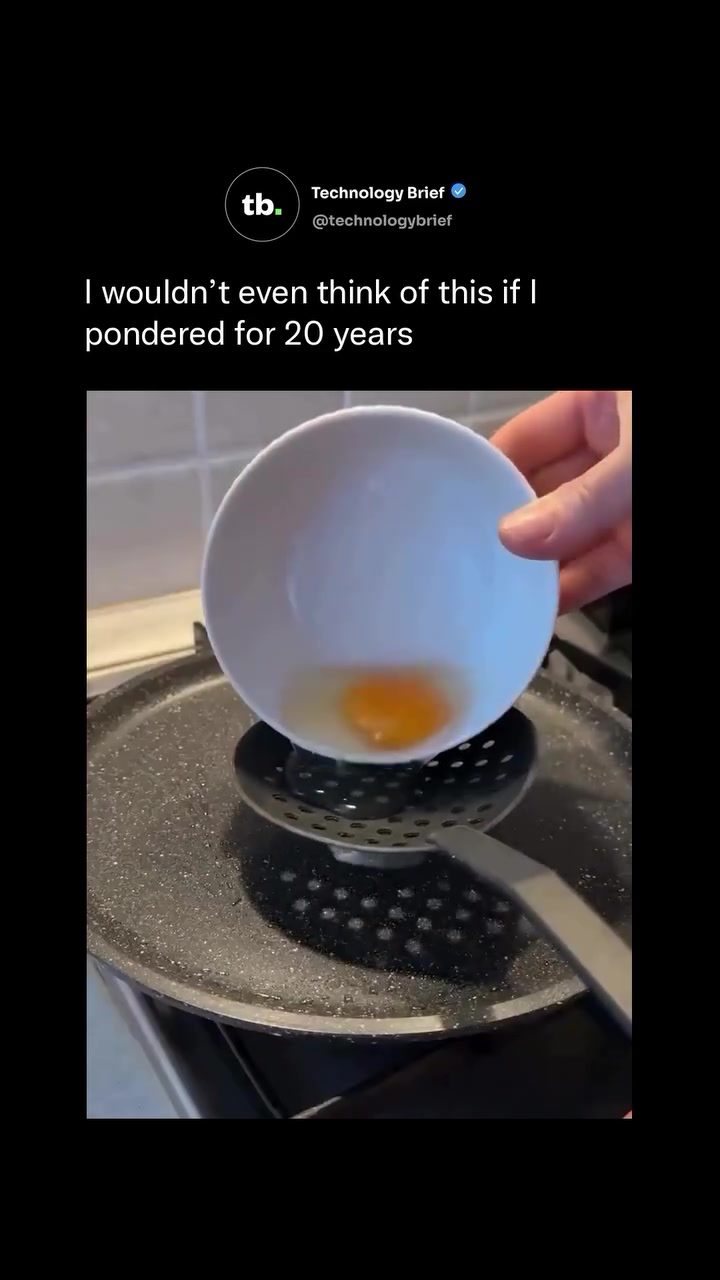
Egg Toast Hack: A Creative Culinary Technique
Egg toast is a simple, yet delicious, breakfast option that combines the comfort of toast with the protein-packed goodness of an egg. This particular method, however, takes the classic egg toast to a new level by separating the egg yolk from the white and cooking them in a unique way. The result is a crispy, golden omelet with a runny yolk center, served atop a slice of buttered toast.
Why This Matters
Breakfast is often considered the most important meal of the day, and for good reason. It kickstarts your metabolism, provides energy, and sets the tone for the rest of your meals. An omelette and toast are two staples of a hearty breakfast. However, combining the two in a way that enhances their individual flavors and textures can turn a simple meal into a gourmet experience.
The Egg Toast Hack: Step-by-Step
Separating the Egg
The key to this hack is separating the egg yolk from the white. This technique allows for precise control over the cooking process, ensuring that the yolk remains runny while the white cooks to a crispy perfection. To separate the egg, crack it gently into a bowl and carefully transfer the yolk from one half of the shell to the other, allowing the white to drip away. Be careful not to break the yolk.
Cooking the Egg White
Once separated, the egg white goes into the frying pan first. Pour the white into the pan and spread it out into a thin, even layer. Let it cook undisturbed until it begins to set around the edges. This will take about 1-2 minutes, depending on the heat of your pan. The goal is to create a flat, crispy base for the omelette.
Preparing the Toppings
While the egg white is cooking, prepare your toppings. Chop fresh tomatoes, salami, and parsley into small pieces. These ingredients will add flavor and moisture to the omelette. Slice a piece of cheese into thin strips or small cubes.
Adding the Yolk and Toppings
Once the egg white has set around the edges but is still slightly runny in the center, crack the raw yolk back into the center of the white. Sprinkle the chopped tomatoes, salami, and parsley around the yolk. Top with the cheese. The raw yolk will cook from the heat of the pan and the surrounding egg white, ensuring it stays runny while the outside cooks to a golden brown.
Folding the Omelette
To create a square packet, carefully fold the edges of the omelette inwards, enclosing the yolk and toppings. Press down gently to seal the edges. Allow the omelette to cook on both sides until it is golden brown and crispy. This will take about 2-3 minutes per side.
Toasting the Bread
While the omelette is cooking, toast a slice of bread in the same pan. Butter the bread and let it toast until golden and crispy. This will add a delicious, crunchy base for your omelette.
Serving
Once the omelette is fully cooked, transfer it to the toasted bread. The runny yolk will create a sauce-like consistency, while the crispy edges and golden-brown exterior provide a satisfying contrast in textures. Serve immediately and enjoy your loaded open-faced sandwich.
Practical Tips
Choosing the Right Pan
A non-stick frying pan is ideal for this recipe. It ensures that the egg white spreads evenly and cooks to a crispy perfection without sticking. Additionally, the non-stick surface makes it easier to fold the omelette and transfer it to the toast.
Controlling the Heat
Low to medium heat is best for this recipe. It allows the egg white to cook evenly without burning, and it ensures that the yolk cooks gently, remaining runny in the center. Adjust the heat as needed to achieve the desired results.
Customizing Your Toppings
Feel free to experiment with different toppings. While tomatoes, salami, and parsley work well, you can also try mushrooms, spinach, or even a sprinkle of feta cheese. The possibilities are endless, so don't be afraid to get creative.
Keeping It Clean
Separating the egg yolk from the white can be a messy process. To keep it clean, crack the egg over a bowl and carefully transfer the yolk from one half of the shell to the other. This method minimizes waste and ensures that the yolk remains intact.
Avoiding Common Mistakes
- Overcooking the Yolk: Be careful not to overcook the yolk. Once it begins to set, remove the omelette from the heat and let it cook gently from the residual heat.
- Undercooking the White: Ensure that the egg white is fully set before adding the yolk and toppings. This will create a crispy base for your omelette.
Important Takeaways
Texture and Flavor
The key to this hack is the contrast in textures—the crispy, golden-brown exterior and the runny yolk center. This method ensures that the yolk remains intact and runny, while the outside gets a fully cooked, crispy shell. The combination of textures and flavors creates a unique and delicious dining experience.
Versatility
This recipe is incredibly versatile. You can customize the toppings to suit your taste preferences, making it a great option for breakfast, brunch, or even a light dinner. The technique of separating the egg yolk from the white and cooking them separately can be applied to other recipes as well, adding a new dimension to your cooking repertoire.
Simplicity
Despite its gourmet appearance, this recipe is surprisingly simple. It requires only a few basic ingredients and a non-stick frying pan. The technique is straightforward and can be mastered with a bit of practice, making it an excellent option for both novice and experienced cooks.
Conclusion
The egg toast hack is a creative and delicious way to elevate a simple breakfast. By separating the egg yolk from the white and cooking them separately, you can achieve a crispy, golden omelette with a runny yolk center, served atop a slice of buttered toast. This technique not only enhances the flavor and texture of the omelette but also adds a gourmet touch to a classic breakfast dish. Whether you're looking for a quick and easy breakfast or a unique brunch option, this egg toast hack is sure to impress.
Questions readers ask
How do I separate the egg yolk and white for egg toast?
To separate the egg yolk and white, crack the egg carefully into a clean bowl. Gently pass the yolk back and forth between the two halves of the shell to allow the white to drip into the bowl. Alternatively, you can use your hands to carefully transfer the yolk from one half of the shell to the other, allowing the white to drop into the bowl below. Make sure to keep the yolk intact to achieve the desired runny yolk effect.
What is the best way to cook the egg white for a crispy texture?
For a crispy egg white base, pour the separated egg white into a preheated non-stick pan over medium heat. Allow it to cook undisturbed until the edges start to set, then gently spread the white out to form an even layer. Once the bottom is set, flip and cook the other side until it’s golden brown and crispy. This will serve as the base for your egg toast.
How can I achieve a runny yolk for my egg toast?
To get a runny yolk, cook the separated yolk gently. The easiest method is to poach the yolk. Bring a small pot of water to a simmer, then add a splash of vinegar. Crack the yolk into a small ramekin and gently slide it into the simmering water. Cook for about 3-4 minutes, then carefully remove the yolk with a slotted spoon. Place it on top of the cooked egg white and toast.
Can I add other ingredients to my egg toast?
Absolutely! You can customize your egg toast with various toppings. For a tomato option, slice fresh tomatoes and sauté them separately with a bit of garlic and olive oil until they soften. Place the sautéed tomatoes on your toast before adding the crispy egg white and runny yolk. You can also experiment with avocado, cheese, or herbs for added flavor.
What type of bread is best for egg toast?
The best type of bread for egg toast is one that is sturdy enough to hold the egg mixture but also softens slightly when toasted. Sourdough or whole-grain bread are great choices because they hold up well when toasted and add a nice texture to the dish. Be sure to toast the bread to your desired level of crispiness before adding the cooked egg.
Can I make egg toast ahead of time?
Egg toast is best enjoyed fresh, but you can prepare some components ahead of time. Cook the egg white and yolk separately and store them in the refrigerator. When ready to serve, gently reheat the egg white and yolk, and assemble the toast. This way, you can enjoy the crispy texture and runny yolk without sacrificing freshness.
Related deep dives
Similar reads based on topic and creator.
Recent articles
Fresh deep dives from the latest Reels we unpacked.




Comments
Be the first to comment.